
What Is Nylon Fabric?
Nylon fabric is one of those materials you’ve probably worn more than you think. That sleek gym shirt? Nylon. Your favorite swimsuit? Probably nylon again. Born in 1935 from DuPont labs, nylon was the world’s first synthetic fiber. That’s right—it didn’t grow on trees or sheep but came from a lab.
Table of Contents
When nylon debuted in the 1940s, it instantly caused a stir. People lined up for nylon stockings like they were gold. Why? Because it felt silky, stretched well, and lasted longer than silk itself.
Today, nylon fabric is everywhere. It’s used in clothing, carpets, parachutes—even toothbrush bristles. Pretty impressive for something born in a beaker.
Properties of Nylon Fabric
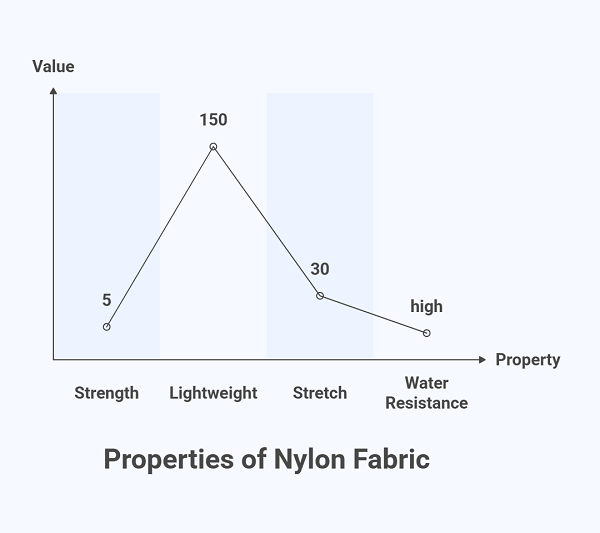
Let’s talk numbers and facts—not fluff. Nylon isn’t just some run-of-the-mill synthetic.
Strength and Durability
Nylon is five times stronger than steel (by weight). It resists abrasion like a champ and doesn’t tear easily. That’s why it’s the go-to fabric for ropes, tents, and military gear.
Lightweight Nature
Despite its strength, nylon is feather-light. A nylon t-shirt can weigh as little as 150 grams—ideal for hiking gear or travel outfits.
Stretch and Recovery
Ever pulled on nylon leggings and felt them bounce right back into shape? That’s elasticity in action. Nylon can stretch up to 30% of its length and still return to form.
Water and Stain Resistance
Nylon isn’t waterproof, but it’s highly water-resistant. It dries quickly and doesn’t absorb moisture easily. Plus, it repels oil and stains better than many natural fibers.
How Nylon Fabric Is Made
This part might sound technical, but stick with me—I’ll keep it simple.
From Petrochemicals to Fibers
Nylon starts with crude oil derivatives like benzene. It’s processed into something called adipic acid and hexamethylene diamine. These form the backbone of nylon through a chemical dance called polymerization.
Polymerization Explained Simply
Polymerization is like stringing beads into a long necklace. Each “bead” is a molecule. Once strung together, they form nylon polymer chains—the base of the fabric.
Spinning Techniques Used
Next, the melted polymer is extruded through spinnerets, like Play-Doh, through a mold. The result? Long, continuous filaments ready to be woven into fabric.
Common Uses of Nylon Fabric
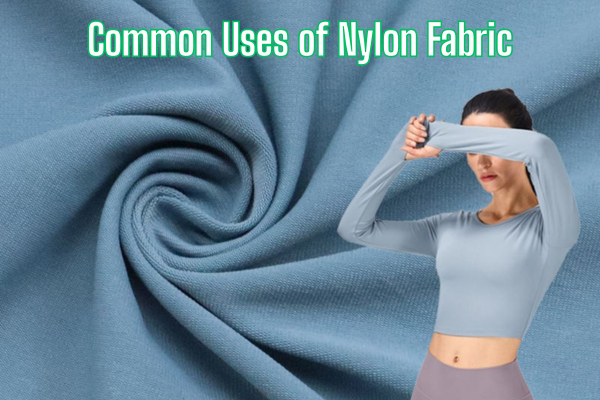
Nylon doesn’t play favorites. It shows up in just about every corner of modern life.
Everyday Apparel
From women’s tights to men’s windbreakers, nylon fabric is found in shirts, pants, lingerie, and more. It’s sleek, stylish, and stretchy—three S’s we love.
Outdoor and Sports Gear
Nylon is a top pick for tents, backpacks, sleeping bags, and waterproof jackets. Why? Because it weighs less and dries fast—perfect for adventure.
Industrial and Technical Applications
Fun fact: nylon is used in car engines and machine parts. Its resistance to wear and chemicals makes it ideal for heavy-duty use.
Home Furnishings
You’ll also spot nylon in curtains, carpets, and upholstery. In fact, over 65% of residential carpets in the U.S. are made from nylon.
Pros and Cons of Nylon Fabric
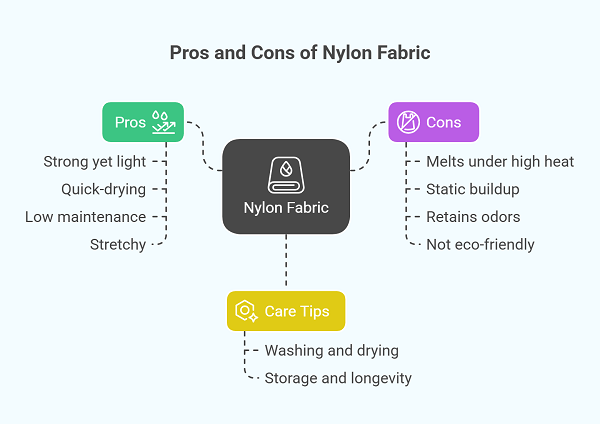
Every fabric has its quirks. Nylon’s no different.
Pros You’ll Love
- Strong yet light: Excellent strength-to-weight ratio.
- Quick-drying: Ideal for activewear and travel.
- Low maintenance: Wrinkle-resistant and easy to clean.
- Stretchy: Perfect for form-fitting garments.
Some Downsides to Know
- Melts under high heat: Avoid ironing directly.
- Static buildup: Hello, clingy socks.
- Can retain odors: Needs frequent washing after workouts.
- Not eco-friendly (we’ll get to that below).
Caring for Nylon Fabric
Take care of nylon, and it’ll stick around.
Washing and Drying Tips
Use cold or warm water—not hot. Machine-washable, yes. But air drying is best. Nylon dries in under 2 hours, even indoors.
Storage and Longevity
Avoid hanging nylon garments for long periods. They can stretch. Fold them neatly and store in a cool, dry place.
Environmental Impact of Nylon
Here’s where things get serious.
Sustainability Concerns
Nylon comes from fossil fuels. Producing 1 kg of nylon releases over 5 kg of CO₂, making it one of the most polluting synthetic fabrics.
Recycling Efforts and Alternatives
Thankfully, there’s hope. Brands like Patagonia and Adidas use recycled nylon from fishing nets and industrial waste. While not perfect, it’s a big leap toward eco-conscious production.
Conclusion
Nylon fabric is strong, flexible, and incredibly useful—but it’s no saint. From gym wear to gear for Everest, it does the job. Still, it asks us to be mindful of its environmental impact. With innovations like recycled nylon gaining traction, the future might just be lighter, tougher, and greener. One thread at a time.
FAQs About Nylon Fabric
1. Is nylon fabric breathable?
Not very. Nylon tends to trap heat and moisture, which can make it uncomfortable in hot climates.
2. Can nylon fabric be recycled?
Yes. Recycled nylon is made from old fishing nets, carpets, and waste. It reduces landfill and pollution.
3. Is nylon safe for sensitive skin?
Generally, yes. But it can sometimes cause irritation if worn too tight or unwashed after sweating.
