
What Is Lawn Fabric?
You’ve probably felt it, even if you didn’t know what it was. That super-light, soft, almost airy cotton that seems to hug your skin on the hottest days? Yep, that’s lawn fabric. It’s not just a favorite in South Asia—it’s a global summer staple. Breathable. Elegant. Surprisingly strong for how delicate it looks.
Table of Contents
The Basics of Lawn Fabric
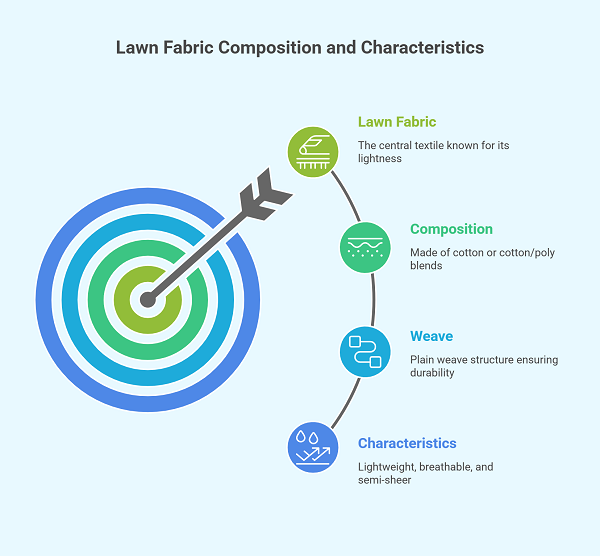
Lawn fabric is a fine, lightweight cotton textile known for its crisp finish and semi-transparency. It has a smooth surface due to combed or carded yarns and a high thread count. Originating in Laon, France, this fabric was initially made from linen. Today, it’s mostly made from cotton, sometimes blended with polyester.
You’ll find lawn fabric mostly used in warm-weather wear, especially in South Asian countries like Pakistan, India, and Bangladesh, where summers can roast your soul.
Quick Stats and Composition Breakdown
- Thread count: Typically 80–100+
- Weight: Around 70–100 gsm (grams per square meter)
- Fiber: 100% cotton or cotton/poly blends
- Weave: Plain weave
- Transparency: Semi-sheer
Types of Lawn Fabric
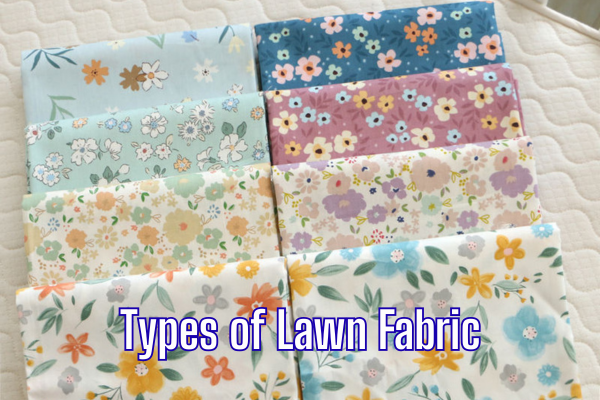
Cotton Lawn vs. Cotton Voile
Cotton voile and lawn fabric are often confused. While both are lightweight and breathable, cotton voile is more sheer and has a silkier touch. Cotton lawn is crispier and easier to sew with. Think of voile as lawn’s fancy cousin—pretty but a bit high-maintenance.
Printed Lawn vs. Dyed Lawn
Printed lawn is all over the summer markets—bold florals, geometric patterns, and everything in between. Dyed lawn, on the other hand, gives you that solid-color elegance. Pakistan, known for its luxury lawn suits, has elevated printed lawn into an art form.
Designer Lawn: The Pakistani Trendsetter
In South Asia, designer lawn is big business. Brands like Gul Ahmed, Khaadi, and Sana Safinaz release new collections every season. It’s not just fashion—it’s a cultural phenomenon. Women queue up hours before stores open, just for limited-edition lawn fabric suits.
Key Characteristics of Lawn Fabric
Thread Count and Weight Analysis
Higher thread count = smoother fabric. Lawn typically starts at 80 threads per inch, and that gives it the structure that holds up during washes. And let’s talk weight. With 70–100 gsm, it’s lighter than standard cotton (usually 150–200 gsm), making it a perfect fit for 30°C+ summers.
Texture, Transparency, and Breathability
Lawn is semi-sheer, but not scandalous. It feels soft, cool, and slightly crisp. Unlike synthetic fabrics, it lets your skin breathe—kind of like letting your body sigh in relief during a heatwave.
Shrinkage, Drape, and Finish
If it’s 100% cotton, expect some shrinkage (2–5%). Always pre-wash before sewing. Its drape? Clean and structured, yet soft. That crispness comes from calendering, a finishing process that presses the fabric for a polished look.
Uses of Lawn Fabric
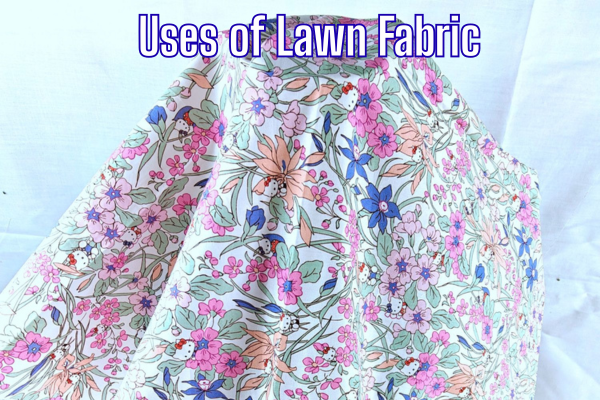
Summer Wear and Traditional Clothing
- Salwar kameez
- Kurtas
- Tunics
- Casual tops and skirts
In Pakistan and India, lawn fabric suits are the default summer uniform. Lightweight and breathable, they balance comfort with fashion effortlessly.
Lawn in Home Textiles
Believe it or not, lawn is sometimes used in home décor too—mostly for curtains, light tablecloths, and sheer bedding layers in summer homes.
The Lawn Revolution in Fashion Retail
Fast fashion has adopted lawn fabric thanks to its cheap production and trendy appeal. Big brands use digitally printed lawn for mass-market collections, especially for spring/summer lines.
Why Lawn Fabric Is the Star of Every Hot Season
Climate Suitability and Comfort Levels
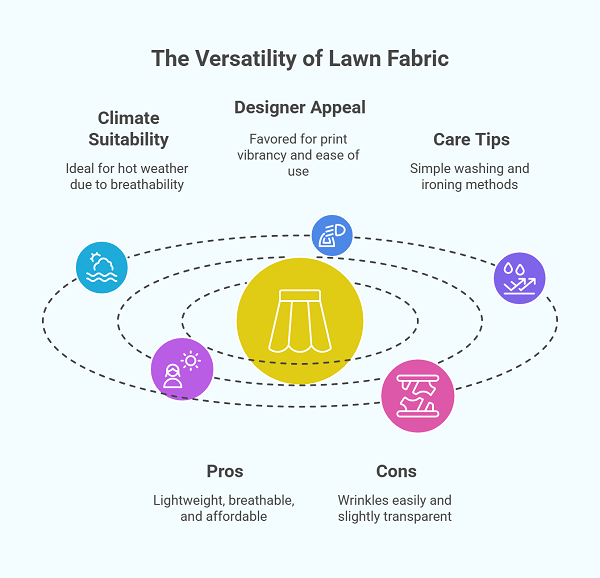
In regions where temperatures soar beyond 35°C, fabrics like polyester are a trap. Lawn, with its airiness and light weave, keeps the sweat off your back—literally.
Why Designers Love Working with Lawn
Designers adore it because it holds print vibrancy, sews easily, and drapes well. Plus, it’s affordable and easy to layer, making it a runway favorite for spring and summer.
Caring for Lawn Fabric
Washing and Ironing Tips
- Always use cold water
- Hand wash or use a gentle cycle
- Avoid heavy-duty detergents
- Iron on medium heat, preferably while still damp
Storage, Maintenance, and Longevity
Store in a cool, dry place. Lawn wrinkles, but don’t we all? Just give it a good iron and you’re golden.
Pros and Cons of Lawn Fabric
The Good Stuff
- Lightweight
- Breathable
- Affordable
- Easy to sew
- Excellent for hot weather
The Not-So-Great Parts
- Wrinkles easily
- Slightly transparent
- Shrinks if not prewashed
- Not ideal for winter wear
Final Thoughts on Lawn Fabric
Lawn fabric isn’t just a piece of cloth. It’s summer’s best friend. A breathable, reliable companion in the blazing heat. It’s crisp, cool, and charmingly low maintenance (mostly). Whether you’re designing your own outfit or picking something off the rack, lawn fabric offers a blend of comfort and elegance that few others can.
In short, if sweat is your enemy, lawn is your armor.
FAQs
Q1: Is lawn fabric 100% cotton?
Yes, most of the time. Some blends include polyester, but pure cotton lawn is more breathable and comfortable.
Q2: Can I wear lawn fabric in winter?
Not recommended. It’s too light and breezy. You’ll freeze unless you layer it under heavier clothes.
Q3: Does lawn fabric wrinkle easily?
Yes. It’s cotton, so it’s wrinkle-prone. A quick press with a warm iron usually does the trick.
Q4: What’s the best way to sew lawn fabric?
Use a fine needle (size 70/10), and go slow. Stabilize if needed—it’s delicate stuff.
Q5: Why is Pakistani lawn fabric so popular?
High-quality printing, beautiful designs, and designer branding make it a status symbol in many parts of South Asia.
