
What Is Mélange Fabric?
Melange is a special fabric type made with polyester and cotton blended together. It has a unique color texture for CVC or PC Composition. Sometimes it’s mixed with the other fibers like viscouse, linen, rayon.
You’ve probably seen that speckled, salt-and-pepper style T-shirt at the store and thought, “Whoa, that looks cool!” That’s mélange fabric in action: a fabric that’s not just stylish but also smartly engineered. From gym wear to soft furnishings, it has found its way into our wardrobes and homes. But what exactly is it? Let’s cut through the textile fluff and dive deep with stats, real talk, and a few analogies thrown in.
Table of Contents
Definition and Meaning
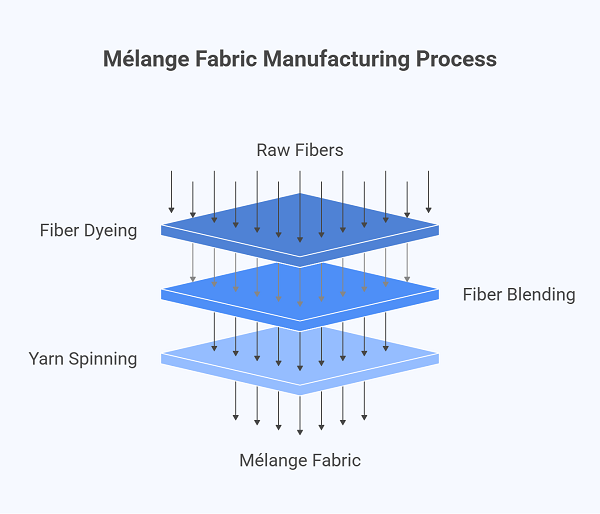
Mélange is a French word meaning “mixture.” In fabric terms, it refers to a material made by combining fibers of different colors. Rather than dyeing the yarn after spinning, fibers are dyed first, then spun together. That’s what gives it its characteristic heathered or mottled look.
How It’s Different from Regular Fabric
Typical fabrics are made from single-color yarns. Mélange? It’s like trail mix a flavorful blend. The color effect isn’t printed on; it’s created within the yarn. This method creates depth and texture that flat-colored fabrics just can’t fake.
How Is Mélange Fabric Made?
Mélange Manufacturing Process
Fiber Blending and Spinning
Here’s the fun part: The process starts with dyeing fibers separately. Let’s say 60% of the fiber is dyed gray, and 40% is kept natural. These fibers are then blended and spun together. You end up with a yarn that already carries that mixed tone. No need for extra dye work later.
Dyeing Techniques Involved
Fiber dyeing done before spinning. It’s more controlled, but also costlier. The payoff? A rich, non-repeating texture. It’s not mass-produced blandness. It’s depth in a thread.
Key Characteristics
Texture and Feel
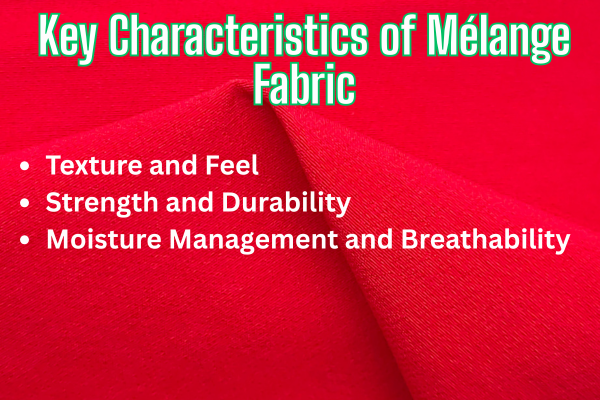
Depending on the fiber used, mélange fabric can feel buttery-soft or firm and structured. Cotton mélange? Breathable and gentle. Wool mélange? Warm and slightly textured. It’s versatile.
Strength and Durability
Since fibers are pre-dyed and tightly spun, they retain color longer. Studies show that mélange cotton blends can retain over 85% color even after 30 washes. Not too shabby.
Moisture Management and Breathability
That blended yarn structure? It’s not just for looks. It also aids airflow. Add polyester, and it gets better at moisture-wicking. That’s why athletes love it.
Types of Mélange Fabric
Cotton Mélange
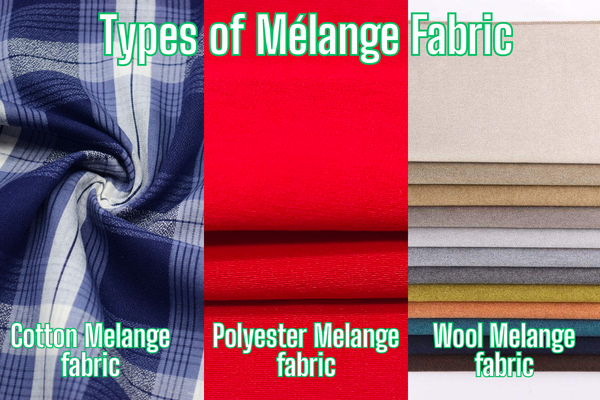
Soft, breathable, and ideal for casualwear. Popular for T-shirts, especially in summer collections.
Polyester Mélange
More durable. Great for activewear. It resists wrinkles, dries fast, and is lighter than cotton blends.
Wool Mélange
Used in jackets, scarves, and sweaters. Combines the warmth of wool with the artistic flair of mélange patterns.
Application of Mélange Fabric
Fashion and Apparel
T-shirts, hoodies, joggers, and even corporate polos. Designers love it for its visual appeal. It’s subtle yet dynamic.
Sportswear and Activewear
Because of its moisture-wicking nature and quick-dry capability, it’s common in yoga pants, gym T-shirts, and running gear.
Interior and Home Decor
Think cushion covers, throws, and light upholstery. Mélange gives a cozy and rustic touch without looking outdated.
Advantage and Disadvantage
Advantages
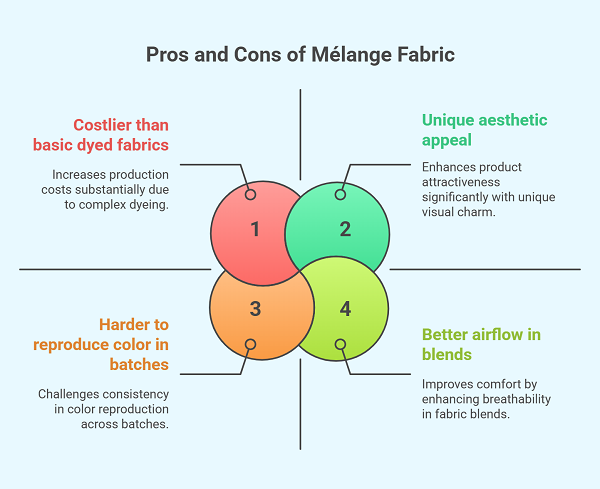
- Unique aesthetic appeal
- Long-lasting color depth
- Flexible across industries
- Better airflow in blends
- Retains softness
Limitations
- Costlier than basic dyed fabrics
- Harder to reproduce color in batches
- Fiber dyeing takes more time and resources
How to Care for Mélange Fabric
Washing and Drying Tips
Use cold water. Hot water can mess with blended fibers. A mild detergent works best. Avoid bleach, it’s the villain here.
Storing and Ironing
Fold gently. Don’t hang delicate knits. When ironing, always use low heat and a pressing cloth if needed.
Is Mélange Fabric Sustainable?
Environmental Impact
Traditional fiber dyeing uses less water than fabric dyeing. That’s a plus. However, synthetic blends can pose recycling challenges.
Blending Recycled Fibers
Some modern manufacturers use recycled PET bottles to make polyester mélange blends. For example, one sportswear brand saved over 1 million plastic bottles in a year by doing this. So yes, it can be sustainable if done right.
Conclusion
Mélange fabric is where fashion meets function. Whether you’re looking for style, comfort, or eco-conscious options, it’s ticking a lot of boxes. Sure, it costs a bit more. Uniqueness never comes cheap, right?
FAQs
1. Is mélange fabric breathable?
Yes! Especially cotton-based mélange is highly breathable and perfect for warm climates.
2. Can mélange fabric be used for formal wear?
It’s more casual in vibe, but smartly tailored mélange polos or jackets can look semi-formal.
3. Is it suitable for kids’ clothing?
Absolutely. Cotton mélange is soft, safe, and holds up well after many washes.
4. What makes mélange fabric more expensive?
The fiber dyeing process is more complex and time-consuming, which adds to the cost.
5. Does the fabric fade easily over time?
Nope. Mélange yarns retain color better than piece-dyed fabrics, even after multiple washes.
