
What Is Pima Fabric?
Pima fabric is a premium textile made from extra-long staple (ELS) cotton fibers. It feels smooth. It looks elegant. It lasts longer than most other fabrics out there. If you’ve ever worn a T-shirt that felt too good to be true—odds are, it was Pima cotton.
Table of Contents
The keyword here? Pima fabric. It’s not marketing fluff. It’s science-backed luxury. This cotton contains fibers around 1.4 to 2 inches long, while ordinary cotton falls short at just under 1 inch. That extra length makes all the difference in quality.
Origins and History of Pima Cotton
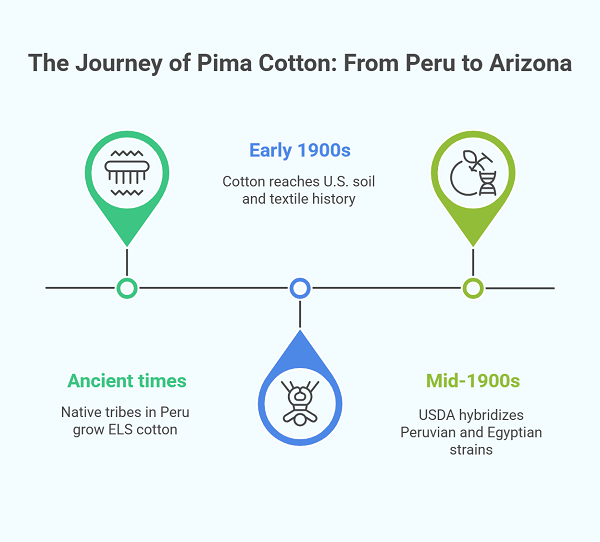
From Peru to Arizona: A Cotton’s Journey
The story of Pima fabric began thousands of years ago in Peru. Native tribes grew a form of ELS cotton that was later refined by American scientists. By the early 1900s, this cotton made its way into U.S. soil and into textile history.
The Role of the USDA in Pima Development
The USDA helped hybridize Peruvian ELS cotton with Egyptian strains. The goal? Stronger, smoother fibers. The fabric was later named after the Pima tribe of Arizona—who helped test it. Fun fact? Despite its name, less than 5% of today’s “Pima” cotton is truly Peruvian.
Key Characteristics of Pima Fabric
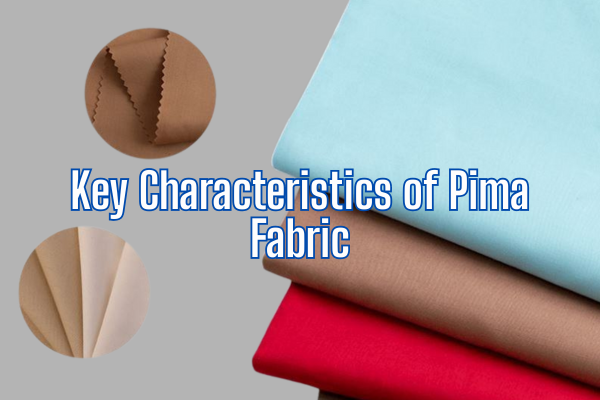
Extra-Long Staple Fibers – The Secret Ingredient
ELS fibers don’t break easily. This leads to fewer pills, better drape, and fabric that doesn’t quit. It’s not just soft—it’s ridiculously smooth. It almost glides across your skin.
Durability You Can Count On
Pima fabric lasts about 50% longer than regular cotton. Seriously. Fewer frays. Fewer holes. Fewer regrets.
Color Retention and Softness
Pima cotton holds dyes better. It won’t fade after three washes like cheaper stuff. And that softness? It improves with time. You heard right—it gets softer the more you wear it.
Why Choose Pima Fabric Over Regular Cotton?
Pima vs Egyptian Cotton
Let’s kill the myth: not all Egyptian cotton is superior. Unless it’s certified as ELS, it’s not that special. Pima, on the other hand, always uses long fibers. Every. Single. Time.
Pima vs Regular Cotton – Numbers Don’t Lie
Here’s the breakdown:
| Feature | Pima Fabric | Regular Cotton |
| Staple Length | 1.4–2 inches | < 1 inch |
| Lifespan | 30–50% longer | Standard |
| Price | Higher (but worth it) | Cheap |
| Softness | High | Low–Medium |
Still thinking about buying regular cotton? Let’s be real—it’s a short-term deal. Pima fabric is an investment, not an expense.
Real-Life Applications of Pima Fabric
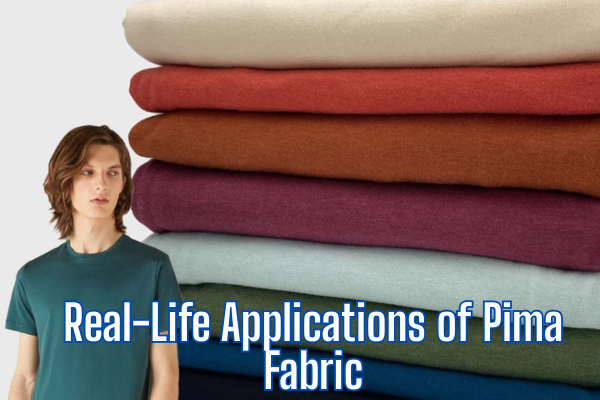
Fashion and Apparel
From designer T-shirts to polo shirts that don’t shrink, Pima fabric shines in fashion. Ever seen wrinkles disappear before your eyes? That’s Pima.
Bedding and Linens
Pima sheets? Heaven. You sleep cooler, wake up fresher, and don’t sweat the thread count. It’s usually above 300, by the way.
Premium Accessories
Scarves, handkerchiefs, even socks—luxury brands trust Pima fabric because it behaves. It drapes well. It breathes better. And it doesn’t look tired after a month.
How to Identify Genuine Pima Fabric
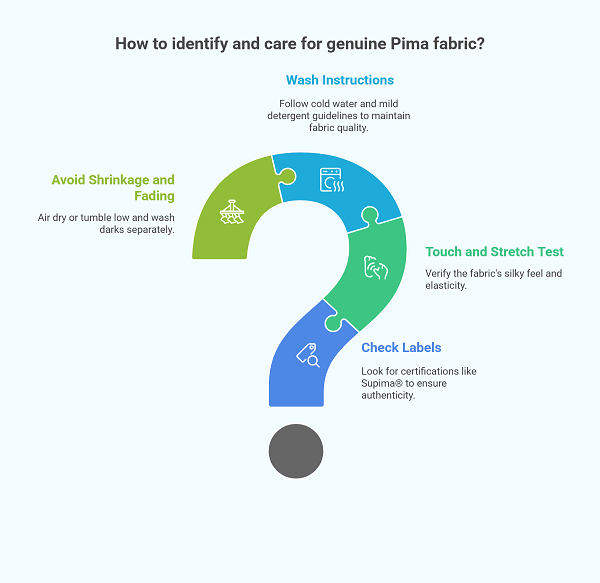
Look for Labels – But Be Cautious
Some brands throw “Pima” on the tag like glitter. Check for certifications—like Supima®, which ensures American-grown ELS cotton.
Touch and Stretch Test
Run your fingers across the fabric. It should feel silky, not slick. Stretch it gently. It bounces back. No warping. No distortion.
Tips for Caring for Pima Fabric
Wash Instructions That Work
- Use cold water.
- Choose mild detergent.
- Skip the bleach.
These steps keep your Pima fabric looking fresh and fabulous.
Avoiding Shrinkage and Fading
Air dry or tumble low. Hot dryers can make even Pima cry. And always wash darks separately—unless you want purple underwear.
Final Thoughts on Pima Fabric
Let’s wrap this up: Pima fabric is worth every penny. It’s softer than your ex’s apologies, more durable than your phone charger, and cooler than your old college band. Once you switch to Pima, there’s no going back. Seriously—don’t be surprised if you start judging other fabrics.
If luxury, durability, and comfort matter to you? Go Pima or go home.
FAQs About Pima Fabric
1. What is the difference between Pima cotton and Supima cotton?
Supima is a trademarked brand of 100% American-grown Pima cotton. All Supima is Pima, but not all Pima is Supima.
2. Is Pima fabric environmentally friendly?
Yes. It needs fewer pesticides and lasts longer—reducing fabric waste. It’s the eco-warrior of the cotton world.
3. Can Pima fabric be used in kids’ clothing?
Absolutely. It’s soft on the skin, hypoallergenic, and more durable during sandbox battles.
4. Is Pima fabric good for summer wear?
Definitely. It breathes well, wicks moisture, and doesn’t trap heat like polyester blends.
5. How can I know if my fabric is really Pima?
Look for Supima® certification or feel the fabric for smoothness and durability. If it’s too cheap to be true, it probably isn’t real Pima.
