
What is Rib Fabric?
Rib fabric is a double-knit fabric known for its distinct vertical lines, stretchy nature, and excellent recovery. It’s the kind of textile that hugs the body without squeezing too hard—like that friend who always knows when a light hug is enough.
Table of Contents
Technically, rib fabric alternates knit and purl stitches. This gives it a raised and recessed pattern. It’s a favorite for neckbands, cuffs, and hems, but its versatility doesn’t stop there.
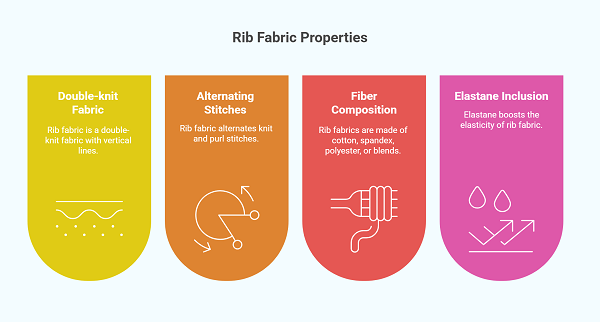
Most rib fabrics are made of cotton, spandex, polyester, or a blend of these fibers. The inclusion of elastane boosts its elasticity—a little goes a long way.
Types of Rib Fabric
Let’s break down rib fabric into its main types. Think of them as siblings—same family, different personalities.
1×1 Rib Knit Fabric
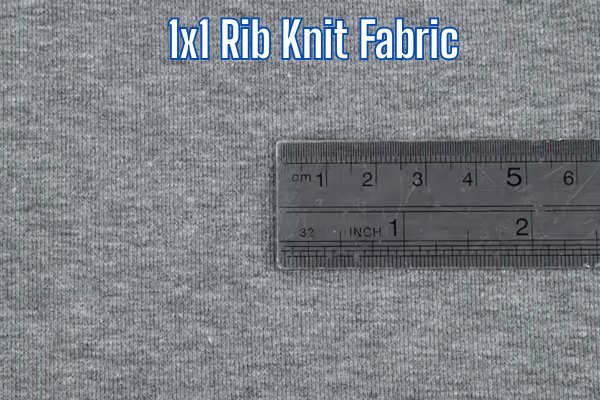
This is the most common one. One knit stitch, one purl stitch. Simple but effective.
- Excellent elasticity
- Ideal for collars and cuffs
- Clings without cutting circulation
2×2 Rib Knit Fabric
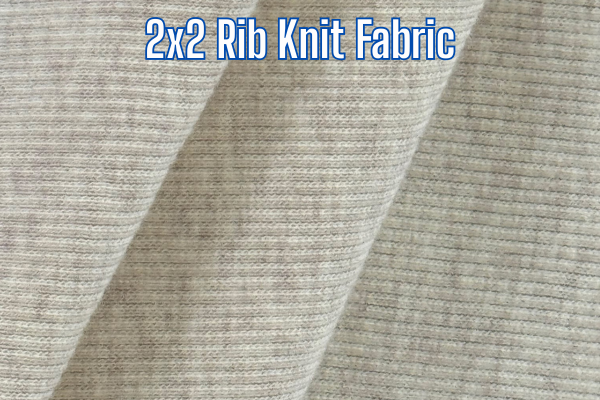
Now we’re getting into the chunky cousins.
- Two knit stitches, two purl stitches
- Thicker, with more texture
- Used in waistbands, sweaters, and scarves
Variegated Rib and Other Variations
Here’s where things get funky. Variegated rib fabrics mix it up with patterns like 3×1, 4×2. They offer different textures and stretch behaviors. Some even mix colors or materials to enhance aesthetic and functional qualities.,
Key Characteristics of Rib Fabric
Rib fabric isn’t just about looks—it delivers in performance too.
Stretch and Recovery
This fabric stretches sideways like a dream. Thanks to its structure, it springs back without losing shape.
- Stretch percentage can reach up to 150%
- With spandex, recovery improves by 30–50%
Texture and Appearance
You get a corrugated surface—those vertical ridges give it a signature look.
It feels soft, cozy, and sometimes even luxurious, depending on fiber choice.
Durability and Breathability
Rib fabric is tougher than single jersey. It handles frequent movement and friction well. Plus, cotton-based ribs breathe, making them ideal for all-day wear.
What is Rib Fabric Used For?
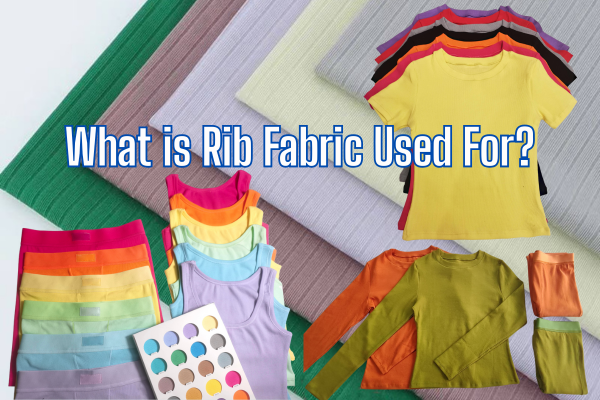
You’ve likely worn rib fabric today without knowing. Its uses are everywhere.
Everyday Garments
The go-to use:
- Neckbands on T-shirts
- Cuffs and waistbands on hoodies
- Tank tops and basic tees
It keeps things in place without squeezing too tight.
Fashion and Sportswear
Designers love it for body-hugging dresses, crop tops, and fitted tanks.
Athletes appreciate it for its flexibility and movement comfort.
Babywear and Undergarments
Soft, stretchy, and safe—rib fabric is the star in infant clothes.
Also, ribbed cotton makes underwear more comfortable.
Pros and Cons of Rib Fabric
Let’s weigh the good and the not-so-good.
Advantages
- High stretch and elasticity
- Excellent fit retention
- Versatile for many garment parts
- Comfortable and breathable
- Doesn’t fray easily—no panic if you skip hemming
Limitations
- Can feel too clingy in hot weather
- Some versions shrink if not prewashed
- Pills easily if made from poor-quality fibers
Care Tips for Rib Fabric
Want it to last? Treat it well.
- Wash in cold water—high temps = shrinkage
- Avoid tumble drying—air dry instead
- Fold, don’t hang—it stretches out over time
- Use a gentle detergent, especially for cotton-based rib
Rib Fabric vs Other Knit Fabrics
It’s easy to confuse rib fabric with other knits. Here’s a quick breakdown:
| Feature | Rib Fabric | Jersey Fabric | Interlock Fabric |
| Structure | Double-knit | Single-knit | Double-knit |
| Stretch | Excellent (sideways) | Moderate | Moderate to high |
| Appearance | Ridges | Smooth | Smooth (both sides) |
| Use Case | Trims, bands | T-shirts, dresses | Babywear, tops |
Rib Fabric in Numbers
Let’s talk stats. Because numbers never lie.
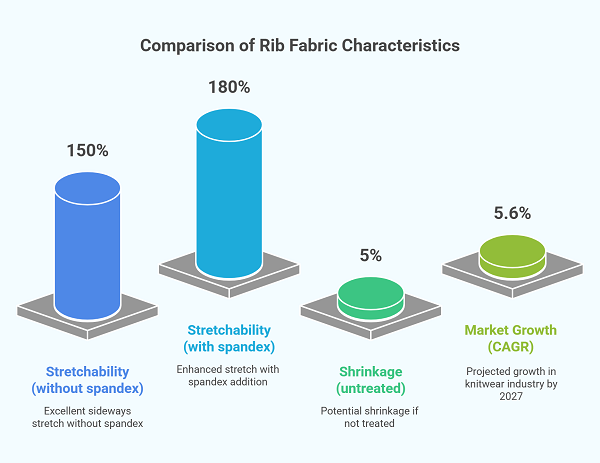
- Stretchability: Up to 150% without spandex, 180%+ with spandex
- Common blend: 95% cotton + 5% spandex is standard
- GSM Range: Typically 180–250 GSM
- Shrinkage: Can shrink up to 5% if untreated
- Market growth: Knitwear industry expected to grow 5.6% CAGR by 2027, with rib fabrics playing a key role
Final Thoughts on Rib Fabric
Rib fabric might not look flashy at first glance, but it’s the unsung hero of your wardrobe. It stretches when you stretch. It recovers like a champ. It’s comfortable, versatile, and stylish when styled right. Whether you’re a designer, a DIY enthusiast, or just someone who loves comfort, rib fabric deserves a top spot in your textile toolkit.
FAQs
1. Is rib fabric breathable?
Yes. Especially cotton rib fabric, which allows air circulation and feels light on the skin.
2. Can I sew rib fabric at home?
Absolutely. Use a stretch needle and zigzag stitch or a serger for best results.
3. Does rib fabric shrink?
If it’s not preshrunk, yes—it can shrink up to 5%. Always prewash before sewing.
4. What’s the best use for 2×2 rib knit?
It’s perfect for waistbands, beanies, and sweaters. It’s thicker and holds shape better.
5. Is rib fabric good for summer?
It depends on the blend. Cotton rib is great for summer, while poly blends can feel warmer.
