
What is Scuba Fabric?
Let’s be honest, the name “scuba” makes it sound like something out of a wetsuit catalog—and that’s not far off. But here’s the twist: scuba fabric isn’t just for the ocean. It’s a double-knit synthetic textile made mainly from polyester and spandex. Think of it as neoprene’s fashionable cousin who skipped surf school to walk the runway.
Table of Contents
A Quick Introduction
Scuba fabric is thick, smooth, and stretchy. If you’ve touched a bodycon dress lately that felt firm yet flexible, chances are it was scuba. It’s about 0.5 to 1.5 mm thick and boasts a 70-90% stretch recovery rate. That means it hugs your body like it was custom-made, without pulling you into a heat trap.
The Origin Story of Scuba Fabric
Scuba fabric emerged in the fashion world in the early 2010s but borrowed heavily from neoprene, a material invented in the 1930s by DuPont. While neoprene was made for diving, scuba fabric found a home in everyday fashion. It’s lighter, easier to sew, and far more wearable.
How Scuba Fabric Is Made
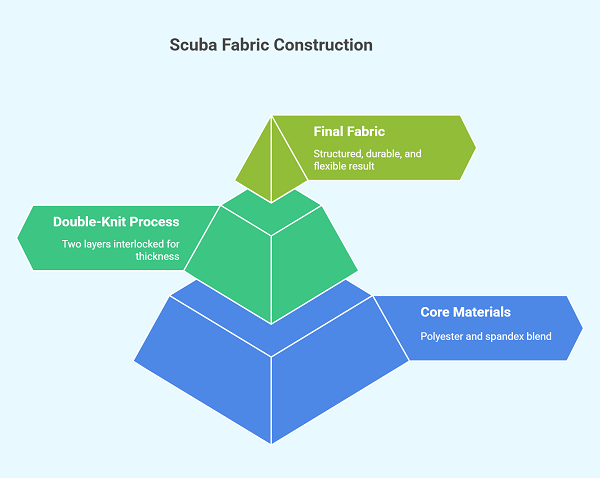
Core Materials
Scuba fabric usually combines:
- 95% polyester
- 5% spandex (elastane)
Some variations include nylon for higher flexibility, but polyester-based scuba is more common due to affordability.
The Manufacturing Process
It’s made through double-knit construction, giving it that signature thickness. The result is a fabric with two layers interlocked, providing structure and durability while maintaining flexibility. Imagine sandwiching two trampoline mats, and you’ve got the feel.
Key Features of Scuba Fabric
Stretch & Recovery
Scuba fabric stretches both horizontally and vertically, typically up to 150%. It returns to its original shape almost instantly, making it perfect for fitted garments.
Smooth Surface Finish
It has a sleek, matte finish that resists wrinkles and gives off an elegant look, even after a long day at work or play.
Moisture & Heat Resistance
Thanks to the polyester core, scuba fabric dries fast and doesn’t trap moisture like cotton. This makes it excellent for warm weather wear or athletic use.
Common Uses of Scuba Fabric
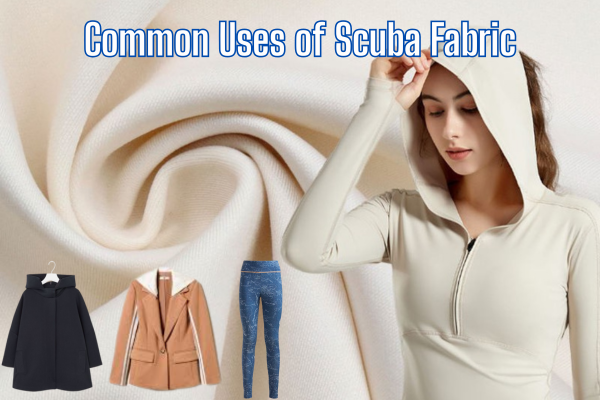
Fashion & Apparel
You’ll find scuba fabric in:
- Dresses
- Skirts
- Jackets
- Blazers
It holds pleats and shapes like a dream—no iron required.
Sportswear & Performance Gear
Its flexibility and moisture-wicking nature make it a favorite for:
- Yoga pants
- Dancewear
- Compression garments
Tech & Industrial Applications
Surprised? Scuba fabric is also used in laptop sleeves, camera bags, and insulating covers thanks to its padding and resilience.
Advantages and Limitations
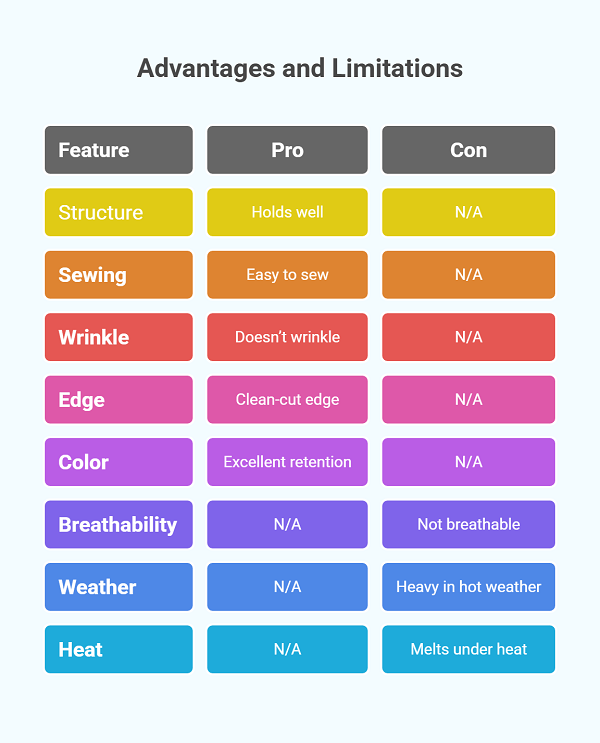
Pros
- Holds structure well
- Easy to sew for both pros and DIYers
- Doesn’t wrinkle easily
- Has a clean-cut edge—no fraying
- Excellent color retention
Cons
- Not very breathable
- It can feel heavy in hot weather
- Melts under high heat—so step away from the iron
How to Care for Scuba Fabric
- Wash on cold or warm (below 30°C)
- Air dry to maintain elasticity
- Avoid bleach and harsh chemicals
- No ironing—yes, really
Bonus: It’s machine washable and dries in under 2 hours in sunlight.
Comparing Scuba Fabric to Neoprene
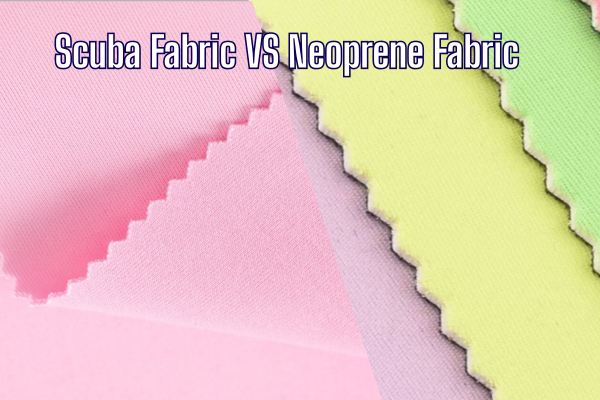
Let’s settle this. Neoprene is made of rubber, is thick (around 3–5 mm), and is used for insulation. Scuba fabric mimics the look and feel but is lightweight, breathable, and wearable. Neoprene can feel stiff, while scuba fabric drapes better, so yes, you can still dance at that wedding.
Final Thoughts on Scuba Fabric
Scuba fabric is the quiet achiever of modern textiles. It gives structure, stretch, and a sleek finish—without screaming for attention. While not perfect (hello, lack of breathability), it shines in the right setting. Whether you’re crafting a statement dress or sewing performance gear, scuba fabric offers fashion and function in one bold, bouncy package.
FAQs About Scuba Fabric
1. Is scuba fabric good for summer wear?
Not always. It can get hot since it’s not highly breathable, but it’s fine for cool evenings or air-conditioned spaces.
2. Can I use scuba fabric for swimwear?
No. It’s not waterproof like neoprene. It soaks water and dries more slowly than true swimwear fabrics.
3. Is scuba fabric stretchy enough for leggings?
Yes, but pick versions with higher spandex content for maximum flexibility.
4. Can I iron scuba fabric?
Don’t even think about it. It melts. Use steam from a safe distance if needed.
5. Is scuba fabric eco-friendly?
Not particularly. It’s synthetic. However, some brands are exploring recycled polyester blends.
