
What Is Hemp Fabric?
Hemp Fabric Defined
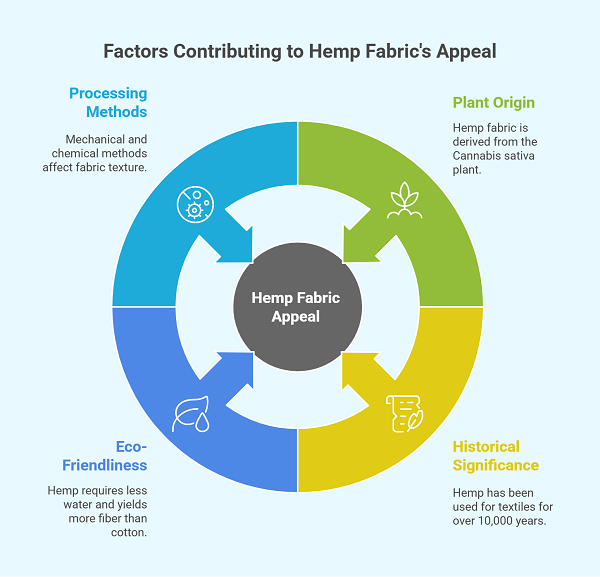
Let’s cut to the chase. Hemp fabric is a textile made from the stalks of the Cannabis sativa plant. No, it won’t get you high. But it might get your wardrobe looking sharp and sustainable. This plant-based material dates back over 10,000 years, yet it feels more relevant than ever in today’s eco-conscious world.
Table of Contents
How Hemp Fabric Is Made
From Field to Fiber
The magic starts in the field. Hemp plants grow fast — up to 13 feet in just 100 days. Once harvested, the stalks are retted (a fancy word for soaking) to separate the fibers from the woody core. After retting, workers extract the bast fibers, which get spun into yarn.
Mechanical vs. Chemical Processing
Some manufacturers use mechanical methods, while others prefer chemical processing for smoother textures. The mechanical route is more eco-friendly, but chemical treatment gives a softer feel. A bit of a textile tug-of-war, you could say.
A Quick Comparison with Cotton
Let’s crunch some numbers. It takes about 2,700 liters of water to make one cotton shirt. Hemp? Just 600 liters. Hemp fabric also yields 250% more fiber per acre. That’s not a typo — it’s productivity on steroids.
Why Hemp Fabric Deserves the Spotlight
Strength and Durability
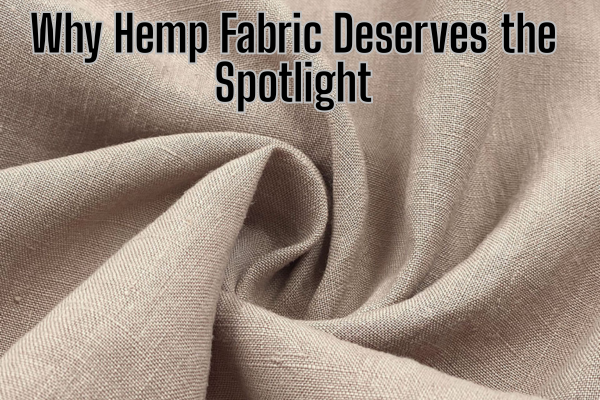
Hemp fabric doesn’t mess around. It’s known to be 3 times stronger than cotton. That shirt you buy? It won’t stretch out or wear down after a few washes. In fact, it gets softer, kind of like wine aging, but with fewer headaches.
Breathability and Comfort
Despite its rugged rep, hemp fabric is breathable and moisture-wicking. It keeps you cool in the summer, warm in the winter. That’s right — this stuff adapts to the season like your favorite hoodie.
Eco-Friendly Credentials
Let’s talk green (not the kind you roll up).
Less Water Consumption
Like we mentioned, hemp uses 75% less water than cotton. If the planet had a wishlist, this would be at the top.
Naturally Pest-Resistant
No need for chemical pesticides. Hemp grows without them, making it a safer choice for both your skin and the soil.
Carbon Sequestration Abilities
Hemp absorbs more CO₂ per acre than most trees. That’s right — your hemp t-shirt is basically a mini carbon sink.
Where Hemp Fabric Stands Out in Real Life
Everyday Clothing and Activewear
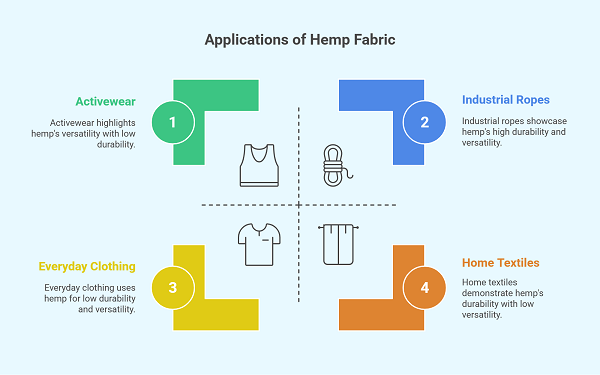
T-shirts, jeans, yoga pants — hemp fabric is creeping into your wardrobe whether you notice or not. It’s especially hot in activewear, thanks to its breathability and anti-bacterial nature.
Home Textiles
Bedsheets? Curtains? Towels? Yes, yes, and yes. Hemp brings a rustic charm to home goods, and they last forever. Almost.
Industrial and Commercial Uses
Hemp’s not just about looking good. It’s used in car interiors, ropes, sails, and even bioplastics. Elon Musk, are you listening?
Myths About Hemp Fabric (That Need to Go Away)
“It’s Scratchy and Rough”
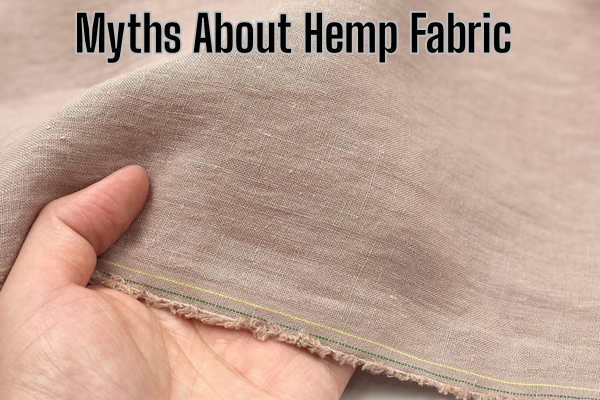
Maybe back in 1995. Modern hemp fabric is blended with organic cotton or Tencel to create a soft, wearable feel. You wouldn’t even know the difference until someone compliments your eco-savvy look.
“It’s Just Another Trend”
Tell that to the Chinese, who’ve used hemp for over 6,000 years. Or the U.S. government, which mandated hemp farming during WWII. This isn’t a fad — it’s a full-blown comeback.
Conclusion
Hemp fabric is no longer the underdog in the textile race. It’s strong, breathable, eco-friendly, and stylish. With numbers to prove its worth and versatility that extends from fashion to farming equipment, this fabric isn’t just sustainable — it’s smart. Choosing hemp is like choosing to eat vegetables over fast food. Your conscience and the planet thank you.
FAQs
1. Is hemp fabric better than cotton?
Yes — in terms of durability, water usage, and environmental impact, hemp wins hands down.
2. Can hemp fabric be dyed easily?
Absolutely. Hemp takes dye well and holds color better over time than cotton.
3. Does hemp fabric shrink?
Minimal shrinkage occurs, especially when pre-washed. Still, cold wash and air dry are your friends.
4. Is hemp fabric suitable for people with allergies?
Yes. It’s hypoallergenic, breathable, and anti-bacterial — great for sensitive skin.
5. How long does hemp fabric last?
Decades, literally. It gets softer but rarely breaks down, which is why it’s also used in industrial settings.
