
So, you want to talk about garments design? Great! You’ve just stepped into a world where a sketch can become a showstopper and a fabric swatch can start a fashion revolution. Sounds dramatic? It kind of is. Let’s break it down. No fluff. Just the real fabric of design—pun intended.
Table of Contents
What Is Garments Design?
A Peek into the Definition
Garments design is the art and science of creating clothing. It’s where function meets flair. This field blends creativity, technical skill, and market insight. It’s not just about making something look good, although that’s a big part. It’s about how clothes fit, feel, and perform.
Why It Matters in Fashion and Beyond
More than 75 billion garments are produced worldwide every year. That’s not just clothing. That’s culture, identity, and industry. Garments design shapes how we present ourselves. It influences trends, affects economies, and plays a role in environmental sustainability.
Key Elements in Garments Design
Fabric Selection
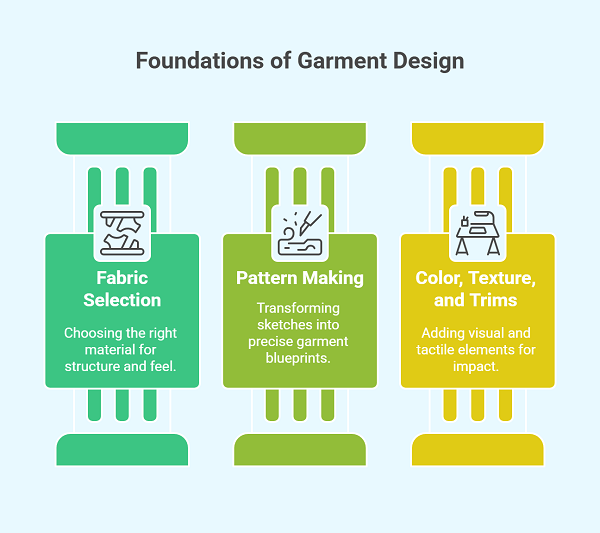
You can’t build a house with soggy wood, right? The same goes for fashion. Fabric choice decides the structure, feel, and even mood of a garment. Cotton breathes, silk flows, and wool… well, wool itches unless done right.
Pattern Making
Pattern making turns sketches into reality. It’s math meets creativity. Every curve, cut, and seam starts here. Precision is key. A few millimeters off can mess up the whole outfit.
Color, Texture, and Trims
Color psychology matters. A red dress feels bold. A pastel shirt feels gentle. Add texture—like ribbed knits or soft velvets—and your design speaks volumes. Trims like lace, zippers, or embroidery? They’re the final touch, like sprinkles on a cake.
The Process of Designing a Garment
From Concept to Catwalk
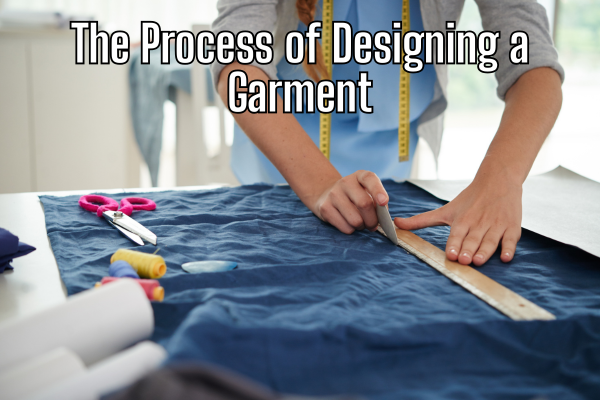
Designing a garment isn’t just doodling on paper. It’s a multi-step process that mixes research, art, and technical work.
Step 1 – Research & Mood Boards
What’s in? What’s next? Designers study trends, customer needs, even historical fashion. Then they make mood boards—visual collages to steer their creative direction.
Step 2 – Sketching Ideas
Time to put pencil to paper—or stylus to screen. Rough sketches start to form the look. No detail is too small.
Step 3 – Technical Drawings
Now comes the serious stuff. Technical drawings include front, back, and side views. Add seam placements, measurements, and stitching notes. This blueprint goes to the pattern maker.
Step 4 – Prototyping and Sampling
A sample garment is created. This version gets tested for fit, comfort, and durability. Around 3–5 iterations are typical before final production.
Tools Every Designer Swears By
Analog & Digital Sketchpads
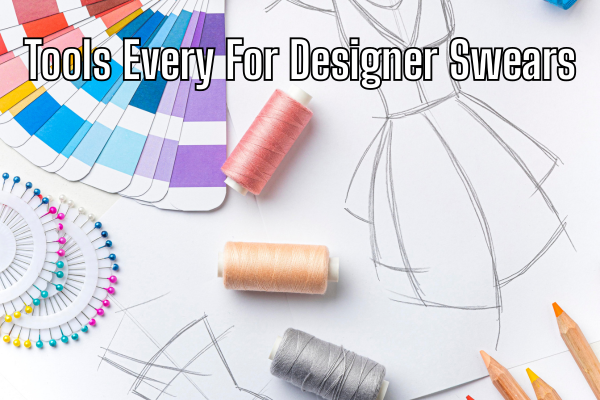
Still love old-school pencil and paper? You’re not alone. But digital tools like Procreate or Adobe Fresco allow fast edits and layering.
CAD Software (Computer-Aided Design)
CAD is a game-changer. With tools like CLO 3D or Optitex, designers can simulate how a garment looks and fits, without wasting fabric.
Tailoring Tools & Measurement Kits
Tailor’s chalk, measuring tapes, mannequins, curved rulers—these are the unsung heroes of the studio. Miss one, and chaos ensues.
Different Types of Garments Designs
Casual Wear
Think T-shirts, jeans, hoodies. Every day comfort but not without style. Globally, casual wear accounts for 40% of clothing sales.
Formal Wear
Structured, elegant, and often pricey. From suits to gowns, these designs rely on expert cuts and quality fabrics.
Haute Couture
This is where imagination runs wild. One-of-a-kind pieces hand-sewn by artisans. Fewer than 15 global fashion houses legally qualify to use this term.
Sportswear and Functional Fashion
Performance meets style. These garments prioritize movement, durability, and often include tech fabrics. Think moisture-wicking shirts or insulated jackets.
How Technology Is Changing Garment Design
3D Modeling & Virtual Fitting Rooms
No more guessing sizes. Virtual try-ons reduce returns by up to 30%. That’s huge for e-commerce.
AI in Trend Forecasting
AI analyzes millions of posts, reviews, and shopping data to predict trends. It’s like having a psychic for your fashion line.
Sustainable Design Practices
Water-saving dyes, recycled fibers, and zero-waste patterns are changing the game. Around 65% of young consumers prefer brands with sustainability claims.
Career Opportunities in Garments Design
Fashion Designer
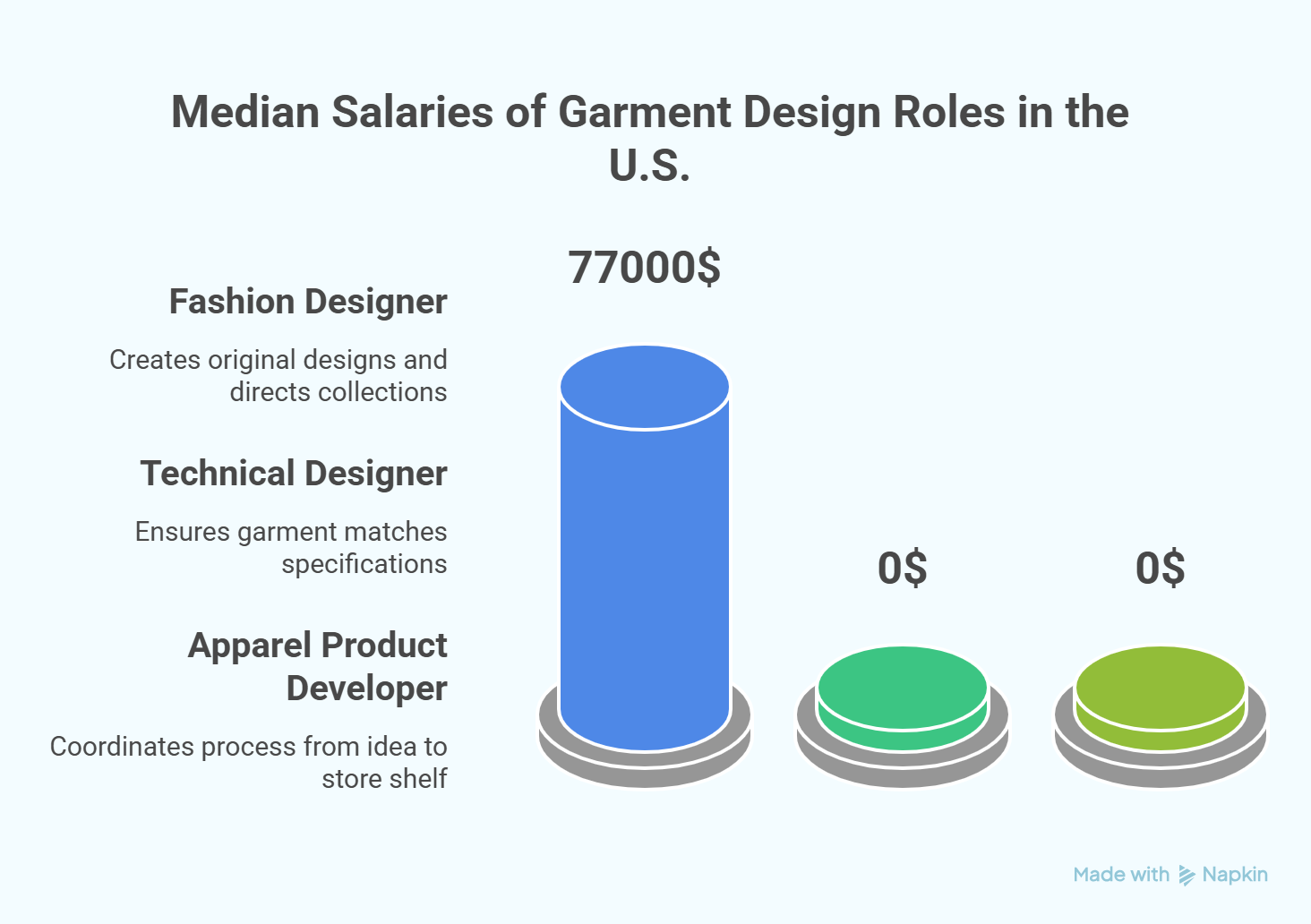
Creates original designs, directs collections, and often becomes the face of a brand. Median salary? About $77,000 in the U.S.
Technical Designer
Ensures that the garment matches the specs. They bridge the gap between design and production.
Apparel Product Developer
Coordinates the full process—from idea to store shelf. This role requires knowledge of marketing, costing, and production timelines.
Final Thoughts
Garments design is more than just “drawing pretty clothes.” It’s analytical, emotional, artistic, and strategic all at once. Whether you want to launch your own label, work with a global brand, or simply appreciate the craft—understanding the design process opens your eyes to the intricate world behind every outfit.
So next time you pull on a T-shirt, remember: someone thought deeply about its fabric, cut, and stitching. That’s garments design in action.
FAQs
Q1: What skills are needed for garments design?
You’ll need creativity, attention to detail, drawing ability, and basic sewing knowledge. CAD software proficiency also helps a lot.
Q2: How long does it take to design a garment?
From concept to finished product, it can take anywhere from 2 weeks to 6 months, depending on complexity.
Q3: Is garments design the same as fashion design?
They overlap, but not exactly. Garments design focuses more on the technical construction of clothing.
Q4: Can I become a garment designer without a degree?
Yes, but a degree helps with theory, networking, and portfolio building. Many successful designers are self-taught, though.
Q5: What is the most challenging part of garment design?
Balancing creativity with practicality. A stunning sketch means nothing if it can’t be manufactured or worn comfortably.
