
What Is Zigzag Fabric?
Zigzag fabric isn’t your typical, quiet textile. Nope. It has a voice—a loud, stylish one. Known for its bold V-shaped or chevron patterns, this fabric style makes any material pop, from casual cottons to luxury silks. Whether you’re sewing home décor or runway wear, zigzag fabric demands attention.
Table of Contents
But let’s be clear: it’s not just about looks.
Zigzag weaves often enhance the durability and elasticity of fabrics. That’s why they’re not just sitting pretty—they’re working overtime in both fashion and upholstery.
The Technical Anatomy of Zigzag Fabric
The Weave Behind the Wow
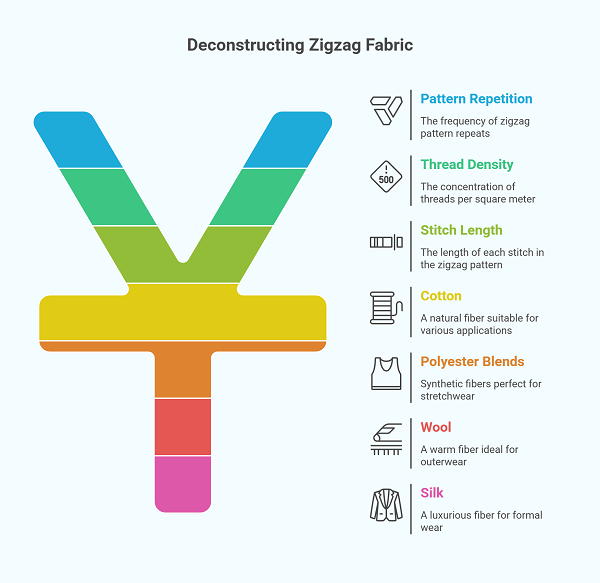
A zigzag weave is not magic. It’s mathematics. It follows a repeating pattern of angled lines that form V shapes across the surface. Often mistaken for herringbone or chevron, zigzag fabric stands on its own thanks to its dynamic pattern spacing and sharper movement.
Here’s the math part (don’t worry, no test later):
- Typical zigzag patterns repeat every 2 to 3 inches.
- Thread density can range between 150–300 GSM, depending on fabric type.
- Zigzag stitching usually spans 2mm–5mm in stitch length.
Material Options for Zigzag Fabrics
You’ll find zigzag textures or prints in:
- Cotton: Ideal for dresses, curtains, and craft projects.
- Polyester blends: Great for stretchwear and athletic clothing.
- Wool: Perfect for outerwear and blankets.
- Silk: A luxe twist for formal wear.
Design Appeal and Popularity
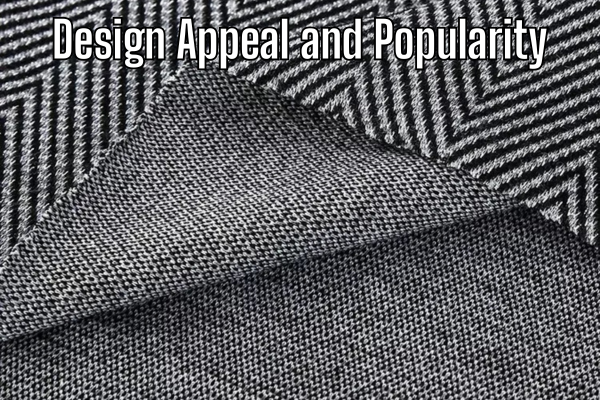
Why Do Designers Love Zigzag Fabric?
Because it shouts style, without being tacky, designers use zigzag prints to create visual energy. One bold jacket or statement couch cover in this pattern? Boom. Instant focal point.
Plus:
- It pairs well with solid colors.
- It hides stains and wrinkles better than flat fabrics.
- It creates visual slimming effects in clothing. (Yep. Instant bonus.)
Trend Watch—Is Zigzag Fabric Still in Vogue?
According to a 2024 textile market report, zigzag-patterned fabrics have seen a 16% rise in demand for home décor applications. Why? People are craving bold, mid-century modern aesthetics again.
Where You’ll See Zigzag Fabric in Action
Home Décor Uses
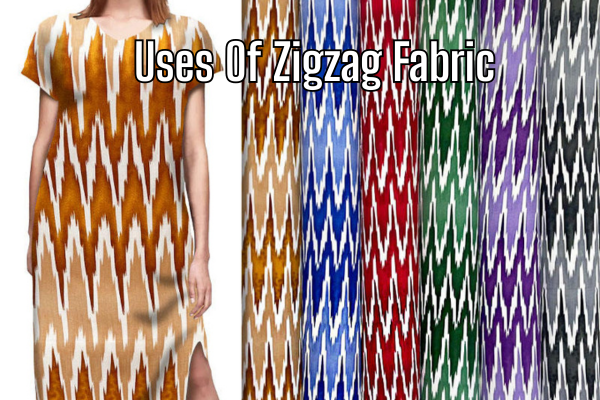
If your sofa needs a personality boost or your drapes look like oatmeal, zigzag fabrics are your savior.
Common household uses include:
- Throw pillows
- Upholstery
- Curtains
- Table runners
In the Fashion World
Whether it’s a zigzag stitch on jeans or a chevron print on a silk blouse, the pattern works across styles. Brands like Missoni made it their signature. And that’s not just hype—they built a global empire off it.
Most common in:
- Scarves
- Skirts
- Jackets
- Stretchwear (thanks to zigzag’s flexible stitch)
Zigzag Stitch vs. Zigzag Fabric—Let’s Clear the Confusion
Wait, Aren’t They the Same?
Nope. Here’s the thing.
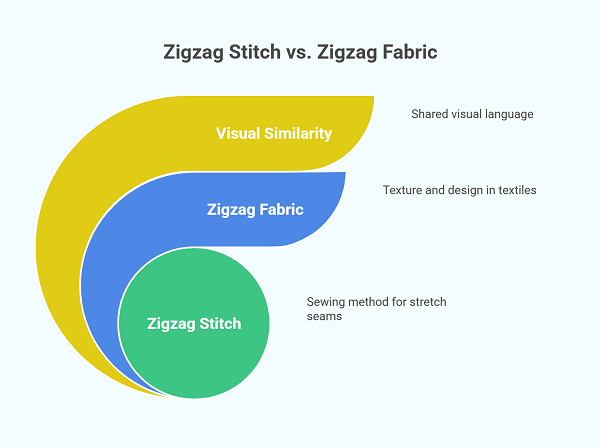
Zigzag stitch is a sewing method used mostly for stretch seams or buttonholes. It’s practical.
Zigzag fabric, on the other hand, is about texture and design—either printed or woven directly into the textile.
So while both share the same visual language, they speak different dialects.
Pros and Cons of Zigzag Fabric
Pros
- Bold visual impact
- Enhanced elasticity (if knitted or stitched)
- Great stain camouflage
- Versatile across materials
Cons
- Might feel too loud for minimalists
- Harder to match with prints
- May require pattern-matching when sewing
Tips for Sewing with Zigzag Fabric
Watch Your Pattern Alignment
If you’re using a zigzag-printed fabric, misaligned cuts are… painful to look at. Use chalk and measure twice. Or maybe three times.
Use Zigzag Stitch for Flexibility
If you’re working with stretch fabric and you want seams that move, a zigzag stitch will do the trick. Adjust width and length based on the fabric’s density.
Final Thoughts
Zigzag fabric is not for the faint-hearted. It’s bold, smart, and a bit of a show-off—but in the best way. It mixes geometry with flair, function with fashion.
Whether you’re reupholstering a tired armchair or creating a statement piece for your wardrobe, zigzag fabric offers both energy and elegance. Just be sure you’re ready to handle the drama—it’s not a background player.
FAQs
1. Is zigzag fabric suitable for upholstery?
Absolutely. Zigzag fabric, especially in thicker cotton or wool, holds up well for cushions and sofas. It hides wear and stains better than flat weaves.
2. What’s the difference between chevron and zigzag fabric?
Chevron has perfectly uniform V-shapes with sharp angles, while zigzag patterns can vary in line thickness and spacing. Zigzag feels freer, less rigid.
3. Can I use zigzag fabric for quilting?
Yes, and it’s fantastic. It adds visual movement to quilts and pairs well with solids. Just make sure the pattern aligns at seams.
4. How do I prevent fraying when sewing zigzag fabrics?
Use a serger or overlock stitch, or zigzag stitch the raw edges. Lightweight fabrics might need interfacing for clean seams.
5. Is zigzag fabric expensive?
It varies. Printed zigzag cotton can cost as little as $6/yard, while woven zigzag jacquard can go up to $45/yard, depending on material quality.
