
What is Organdy Fabric?
Let’s get straight to it—Organdy fabric is a sheer, plain weave cotton textile that’s been treated to give it stiffness. Think of it like the elegant older cousin of voile or lawn. It’s crisp like fresh lettuce and light as air, often used in bridalwear, curtains, and heirloom sewing.
Table of Contents
The Origin and History
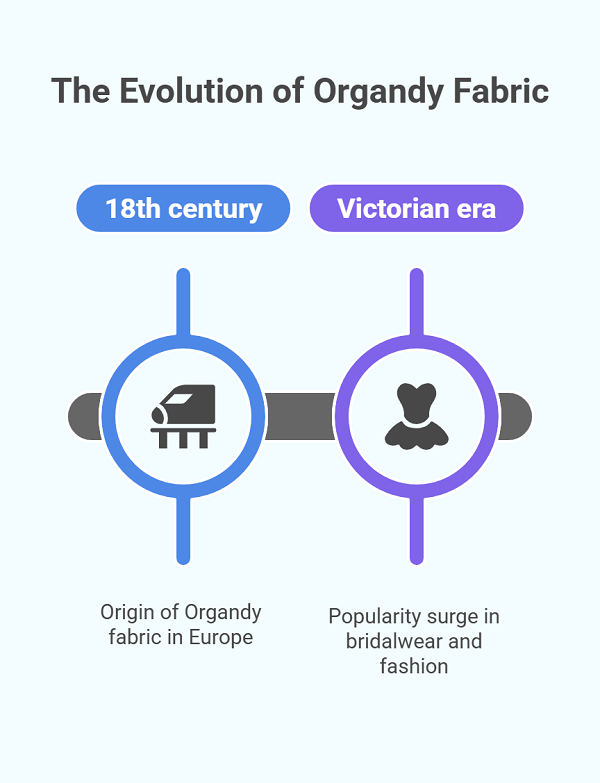
Organdy fabric dates back to the 18th century and traces its roots to Europe. The name likely evolved from “Organza,” a similar fabric but made from silk or synthetics. Unlike its shinier sibling, Organdy holds its structure and has a matte finish. It became particularly popular in Victorian times when layers and volume were all the rage.
How It’s Made
Organdy is made using combed cotton yarns through a plain weave process. The stiffness comes from a chemical treatment known as parchmentizing. During this step, the fabric is immersed in acid and then neutralized—yeah, it’s like giving cotton a personality makeover.
Types of Organdy Fabric
There are three primary types:
- Stiff Organdy – Holds shape well, perfect for puffed sleeves.
- Soft-Finish Organdy – Slightly less stiff, more comfortable.
- Crystal Organdy – Has a subtle shimmer; great for formalwear.
Key Characteristics of Organdy Fabric
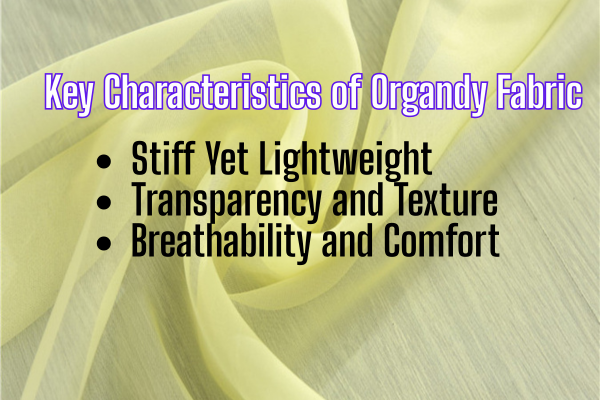
Stiff Yet Lightweight
Sounds contradictory, right? But it’s true. Organdy weighs between 30 to 60 GSM, making it incredibly light. Yet, because of its stiffness, it holds shape, ideal for structured garments.
Transparency and Texture
Its sheer quality (almost like frosted glass) gives it a delicate, ethereal vibe. It’s smooth to the touch but has a dry hand feel, unlike silky fabrics.
Breathability and Comfort
Despite the crisp structure, organdy remains breathable. However, don’t expect it to feel cozy like flannel—it’s more of a “stand tall” than “snuggle in” fabric.
Common Uses of Organdy Fabric
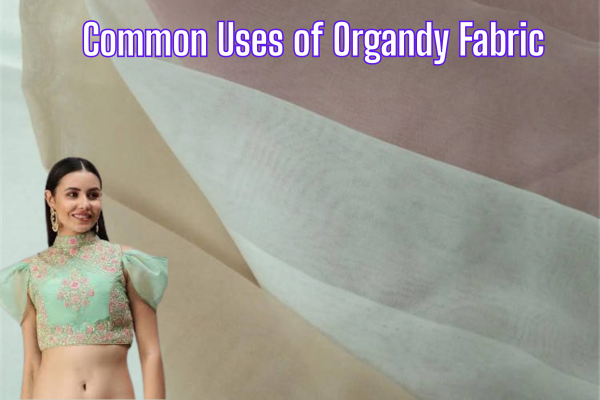
In Fashion and Apparel
Designers love organdy for volume. It’s often used in:
- Bridal gowns
- Petticoats
- Blouses
- Children’s dresses
Especially in summer collections due to its breathability and elegant drape.
Home Décor Applications
Want to add vintage flair to your home?
- Curtains
- Table overlays
- Lamp shades
- Window panels
Its light-filtering nature makes it ideal for soft lighting effects.
Crafts, Theatrical Costumes & Accessories
In theaters, organdy brings drama—literally. It’s used for:
- Costume underlayers
- Veils
- Doll clothing
- Floral crafts
Basically, anywhere you need structure without bulk.
Pros and Cons of Using Organdy Fabric
Advantages
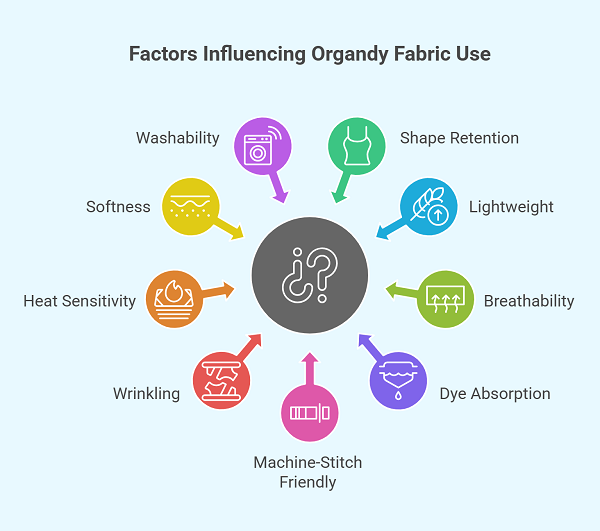
- Holds its shape—no floppy collars here.
- Lightweight yet impactful.
- Highly breathable.
- Takes dye beautifully.
- Machine-stitch friendly.
Limitations
- Wrinkles like it’s paid to do so.
- Can scorch under high heat.
- Not the softest on skin.
- May weaken with frequent washing.
How to Care for Organdy Fabric
Treat it gently. Organdy is fancy, and it knows it.
Washing and Drying Tips
- Hand wash or use delicate machine cycles.
- Use mild detergent.
- Air dry flat—tumble drying is a no-no.
Ironing and Storage
Iron while slightly damp on a low to medium setting. Always store folded with acid-free paper or hang in a breathable garment bag.
Final Thoughts on Organdy Fabric
Organdy fabric is like the elegant guest at a garden party—graceful, structured, and always making an impression. While it’s not the softest or easiest to maintain, it offers unmatched charm and style when used right. Whether you’re stitching up a dramatic blouse or just adding flair to your windows, organdy brings a touch of timeless beauty.
FAQs About Organdy Fabric
1. Is organdy fabric the same as organza?
Not quite. Both are sheer and crisp, but organdy is cotton-based while organza is made of silk or synthetics.
2. Can organdy be used in summer clothing?
Yes, absolutely. Its light structure and breathability make it ideal for warm-weather garments.
3. Does organdy shrink after washing?
If not pre-treated or washed properly, yes. Always test a swatch before large projects.
4. Is organdy environmentally friendly?
Since it’s made of cotton, it’s more sustainable than synthetics, but chemical treatments reduce its eco-score slightly.
5. How do I prevent wrinkles in organdy fabric?
Store it properly and iron while damp. Avoid stuffing it into tight drawers.
