
Spandex Fabric – What Makes It So Special?
If you’ve ever worn yoga pants or gym shorts, chances are you’ve thanked spandex fabric without even realizing it. This wonder material stretches up to 500% of its original length. Yep, five times its size. Then it snaps right back like it’s got a memory chip. That’s not magic—it’s science, and a bit of textile wizardry.
Table of Contents
Let’s explore why this stretchy superhero deserves the spotlight.
What is Spandex Fabric?
Spandex, also called elastane (Europe) or Lycra (brand name), is a synthetic fiber made from polyurethane. It was invented in 1958 by chemist Joseph Shivers at DuPont. The goal? Replace rubber in garments. And boy, did it succeed.
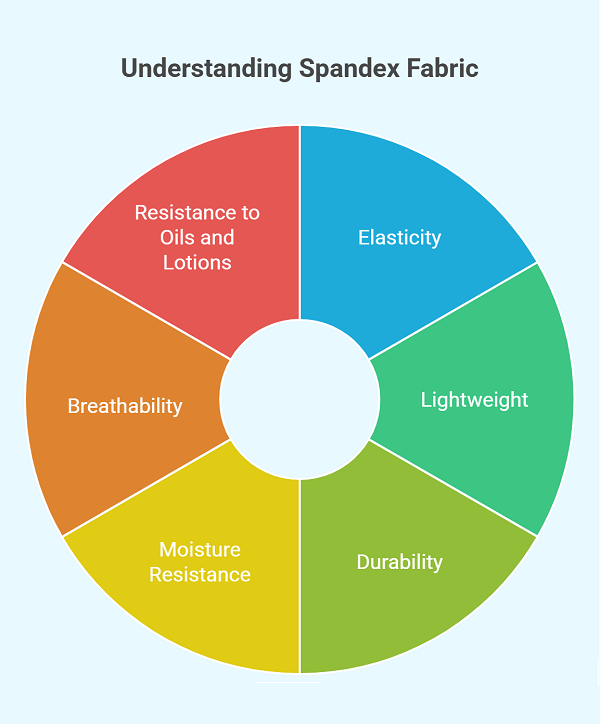
- Elasticity: Can stretch 4-7 times its length
- Lightweight: Doesn’t feel bulky
- Durable: Lasts through 100+ washes easily
Is Spandex Natural or Synthetic?
Let’s be real: spandex doesn’t grow on trees. It’s 100% synthetic, made through a chemical reaction involving polyols and diisocyanates. Sounds complicated? That’s because it is. But the end result is fabric that hugs your body without strangling it.
Properties of Spandex Fabric
This fabric is like the overachiever in class—does everything and does it well. Here’s why spandex fabric stands out:
Exceptional Stretch & Recovery
Spandex can stretch up to eight times its original size and still return to normal. No sagging knees or baggy elbows here.
Moisture-Resistant and Quick-Drying
Perfect for athletic wear, spandex doesn’t hold onto sweat. In fact, it dries 50% faster than cotton.
Lightweight & Breathable
At just 0.9 g/cm³, it’s one of the lightest synthetic fibers used in apparel.
Resistant to Body Oils and Lotions
Unlike natural fabrics that get cranky with skincare products, spandex doesn’t mind your fancy moisturizer.
Common Uses of Spandex Fabric
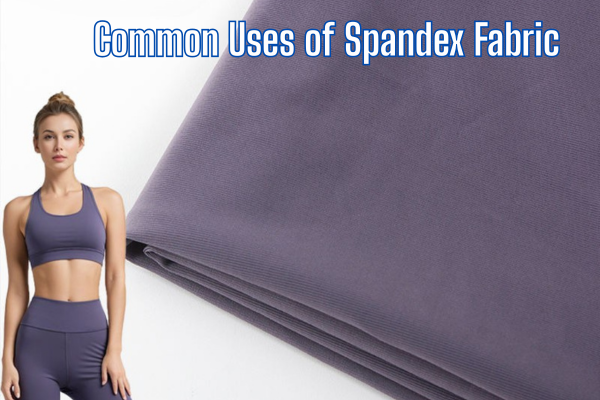
You’ll find spandex fabric in more places than you’d think. No, it’s not just for gym rats and superheroes.
Sportswear & Activewear
Almost every piece of activewear includes some spandex. Think:
- Leggings
- Cycling shorts
- Compression wear
In fact, 92% of all athletic apparel contains spandex today.
Bedding and Home Textiles
Ever noticed your fitted sheets clinging perfectly to your mattress? Thank spandex fabric for that snuggly grip.
Fashion and Formalwear
Yes, even your favorite party dress may have a pinch of spandex—just enough to let you dance like no one’s watching.
Advantages and Disadvantages of Spandex Fabric
Like every hero, spandex isn’t flawless. Let’s break down the pros and cons.
Advantages
- Extreme Flexibility: Great for comfort and performance
- Shape Retention: Maintains its form even after repeated use
- Lightweight Feel: Doesn’t weigh down your outfit
Disadvantages
- Heat Sensitive: Can degrade if exposed to high temps
- Low Breathability Alone: Often blended with cotton or polyester
- Not Eco-Friendly: Spandex takes hundreds of years to decompose
How to Care for Spandex Fabric
Want your stretchy clothes to last longer? Follow these quick tips:
Wash Cold and Gentle
Use cold water. High temps are spandex’s kryptonite.
Avoid the Dryer
Line-dry only. Spandex hates direct heat.
Skip Fabric Softeners
They break down the elasticity. Kind of defeats the point, right?
Spandex Fabric in Numbers
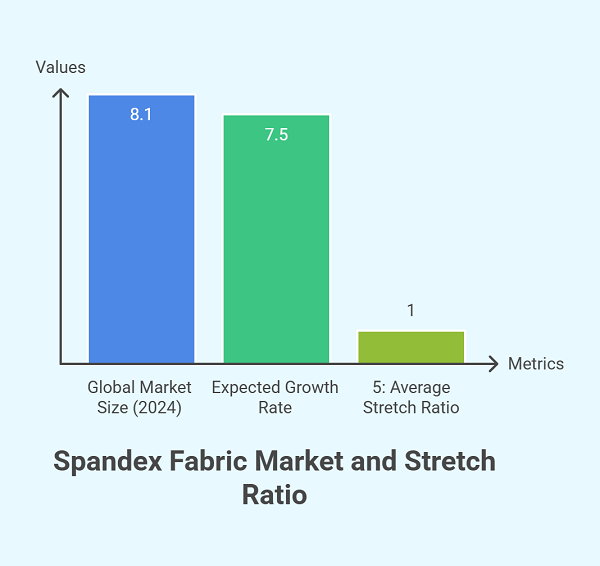
Let’s crunch some numbers to see how spandex is shaping up globally.
- Global Market Size (2024): $8.1 billion
- Expected Growth Rate: 7.5% CAGR through 2030
- Top Exporters: China, South Korea, and Taiwan
- Average Stretch Ratio: 1:5 (can stretch five times its length)
Sustainable Alternatives to Spandex Fabric
We love the stretch, but not the environmental footprint. Brands are now testing:
- Bio-Based Elastane: Made from corn or sugarcane
- Recycled Spandex: Post-industrial or post-consumer waste
- Blended Knits with Less Spandex: Using only 2-5% elastane for minimal stretch and better biodegradability
Conclusion: Why Spandex Fabric Isn’t Going Anywhere
Spandex fabric changed how we move, dress, and live. It bends with us, adapts to our shape, and makes comfort fashionable. But it’s not all stretch and sparkles—it has environmental concerns too.
As we move forward, finding a balance between performance and planet is key. For now, spandex remains an everyday essential in our wardrobes—and it’s hard to imagine life without it.
FAQs About Spandex Fabric
1. Is spandex the same as Lycra?
Technically yes. Lycra is a brand name for spandex, just like Kleenex for tissues.
2. Does spandex shrink in the wash?
Not usually, but high heat can damage the fibers. Cold wash is safest.
3. Can I iron spandex?
Please don’t. It can melt. Use a steamer if you really must.
4. Is spandex fabric breathable?
Not on its own. It’s usually blended with breathable fibers like cotton.
5. What’s the best fabric blend with spandex?
Cotton-spandex (95/5) is the most common for comfort and stretch.
