
Velour. Just saying the word makes you think of something rich, soft, and, honestly, a little bit disco. You wouldn’t be wrong—this fabric has strong ties to 1970s tracksuits and theater stages. But it’s far more versatile than most people think.
Table of Contents
Let’s peel back the plush surface and dive into what velour fabric is all about. Whether you’re curious about fashion, upholstery, or just love a good textile tale, this guide is stitched with you in mind.
What is Velour Fabric?
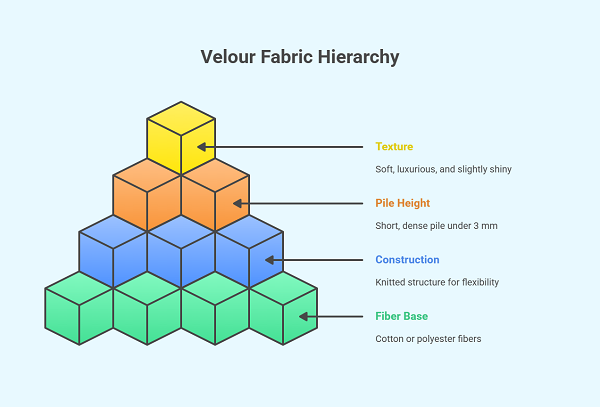
Velour is a soft, plush fabric known for its luxurious texture and slight sheen. It’s often made from cotton or synthetic fibers like polyester. What makes it unique? Its knitted construction and short, dense pile that gives it that signature velvety finish—without being actual velvet.
A Brief History of Velour
Velour popped up in the early 20th century as a more affordable alternative to velvet. While velvet was woven and expensive, velour was knitted and accessible. It gained massive popularity in the 1970s, especially in fashion—tracksuits, jumpsuits, and everything in between.
Key Characteristics of Velour
- Pile Height: Usually under 3 mm
- Fiber Type: Commonly cotton or polyester
- Weight: Between 200 to 400 GSM
- Stretch Factor: High stretch due to knit base
- Finish: Soft, rich, and often shiny
How Velour Fabric is Made
Making velour is a precise process that combines stretch, softness, and style.
Fiber Content and Composition
Velour is mostly made from:
- 80–100% Cotton (natural feel, breathable)
- Polyester Blends (durable, cost-effective)
- Spandex/Elastane (for stretch)
Blends like 80% cotton / 20% polyester are common in clothing, giving you softness without sacrificing structure.
The Knitting and Pile Process
Velour is knitted (not woven), giving it stretch. After knitting, the fabric undergoes a pile weaving process—loops are cut to form a uniform nap. This is then sheared to create that soft, velvety finish. Think of it like giving the fabric a buzz cut to perfection.
Common Uses of Velour Fabric
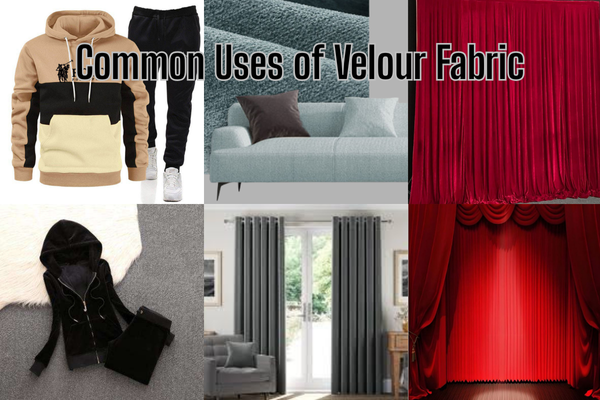
Velour has a personality. It’s not shy. It shines, literally and figuratively.
Fashion and Apparel
- Tracksuits (hello, 2004 Paris Hilton!)
- Hoodies and loungewear
- Kidswear and baby clothes
- Dancewear and leotards
The stretch makes it ideal for form-fitting yet comfortable clothes.
Home Décor and Upholstery
- Sofa covers and cushions
- Curtains
- Throw blankets
- Headboards
Velour adds a royal vibe to interiors. It feels luxe, but doesn’t cost like it.
Theatre and Stage Curtains
Velour is used in stage curtains due to its rich texture and light-absorbing ability. It cuts reflections, creating the perfect stage backdrop.
Benefits of Using Velour Fabric
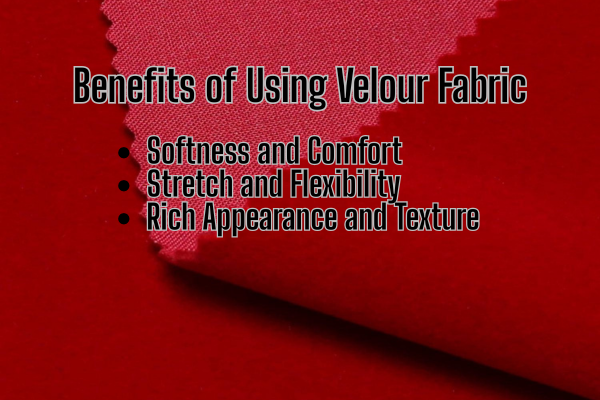
Velour isn’t just a pretty face. It’s practical too.
Softness and Comfort
The plush pile makes velour feel like a cloud—perfect for loungewear and bedding.
Stretch and Flexibility
Unlike velvet, velour stretches. That’s why it’s loved in dancewear and sportswear. You can move without feeling squeezed.
Rich Appearance and Texture
Velour looks expensive even when it isn’t. Its light-reflecting surface adds depth and richness to garments and furnishings.
Velour vs. Velvet vs. Velveteen
Yes, they sound like triplets. But they’re more like cousins.
Visual and Textural Differences
| Feature | Velour | Velvet | Velveteen |
| Weave | Knit | Woven | Woven |
| Stretch | Yes | No | No |
| Pile Height | Short-Medium | Medium-High | Short |
| Cost | Low-Medium | High | Low |
Velour is flexible. Velvet is fancier. Velveteen is the budget velvet.
Durability and Price Comparison
Velour tends to last longer in garments that stretch. It’s machine washable, unlike velvet, which can be fussy. A good velour tracksuit costs between $30–$80, while velvet evening wear starts around $150+.
Caring for Velour Fabric
Velour is tough, but not invincible.
Washing and Drying Tips
- Wash cold to prevent shrinkage
- Gentle cycle only
- Air dry to retain pile softness
- Avoid ironing directly—steam instead
Preventing Wear and Tear
- Wash inside out
- Avoid over-drying
- Don’t wring it (seriously, it hurts the fabric)
Is Velour Fabric Sustainable?
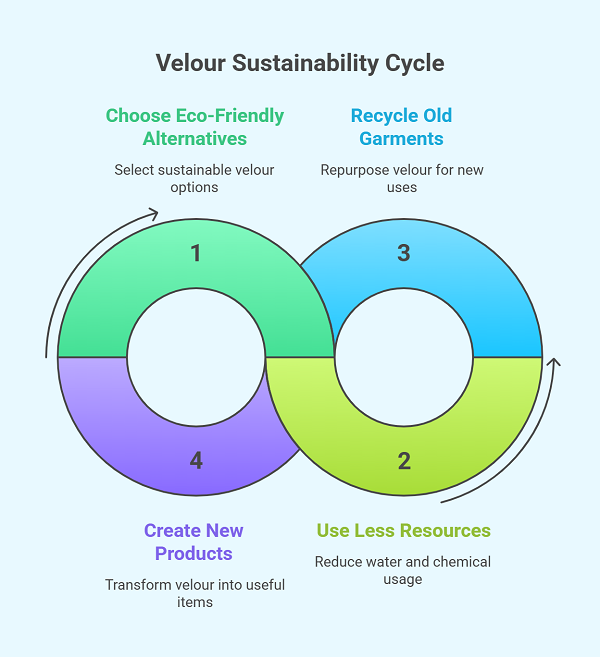
Here’s the catch—not always.
Eco-Friendly Alternatives
- Organic cotton velour
- Bamboo velour (yes, it’s a thing)
These use less water and chemicals. They also feel just as soft.
Recycling and Repurposing
Old velour garments make:
- Cleaning cloths
- Cushion covers
- DIY pet beds
Velour lives on—just give it a second act.
Final Thoughts
Velour isn’t just a fabric. It’s a feeling. Soft, stretchy, and silently fabulous. Whether you’re buying it for comfort, looks, or nostalgia, it brings warmth and a touch of glam without breaking the bank.
And sure, it might remind you of your grandma’s armchair or that one 90s boyband video. But isn’t that part of the charm?
So next time you touch velour, pause. Appreciate its plush power. It’s more than meets the eye—or hand.
FAQs
1. Is velour good for hot weather?
Not really. Velour retains heat. It’s cozy for winter, but may feel stifling in summer.
2. Can velour be used for bedding?
Yes! Velour throws and pillow covers are common. Soft and snuggly for colder months.
3. Does velour wrinkle easily?
Velour resists wrinkles due to its pile and stretch. It’s lower maintenance than velvet.
4. Is velour fabric expensive?
It’s affordable. Expect to pay around $5–$12 per yard for polyester-cotton blends.
5. Can I iron velour?
Don’t do it directly. Use steam or a pressing cloth to avoid crushing the pile.
