
Ever worn a fabric so light it feels like a whisper on your skin? That’s voile fabric. Pronounced “vwahl”, it’s the unsung hero of summer wardrobes and dreamy curtains. Soft, breathable, and sheer voile doesn’t shout. It charms quietly.
Table of Contents
Let’s break down everything about this fabric that floats like a breeze and feels like a gentle hug on a hot day.
What Is Voile Fabric?
Origin and Meaning of Voile
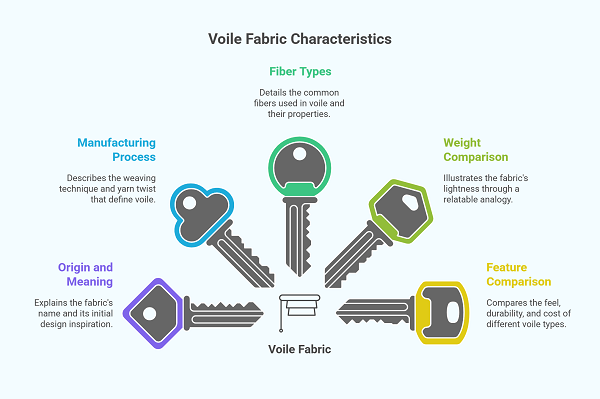
The word voile comes from the French word for “veil”—and that says a lot. This fabric was originally designed to imitate the softness and transparency of veils, offering grace without weight.
How Voile Is Made
Voile is typically woven in a plain weave style. The magic lies in the twist of the yarn. The threads are highly twisted, giving the fabric its signature crispness and slight firmness. Common fibers used include:
- Cotton – breathable and natural
- Polyester – more durable and wrinkle-resistant
- Silk – luxurious, soft, and pricier
Let’s get real. A yard of cotton voile weighs only 1.9 to 2.5 ounces (55 to 75 GSM). That’s lighter than a letter you mail to grandma.
Cotton Voile vs. Polyester Voile vs. Silk Voile
| Feature | Cotton Voile | Polyester Voile | Silk Voile |
| Feel | Soft, breathable | Smooth, synthetic | Ultra-soft, luxe |
| Durability | Moderate | High | Low to moderate |
| Cost per yard (avg) | $5–$12 | $3–$10 | $15–$35 |
Key Properties of Voile Fabric
Texture and Feel
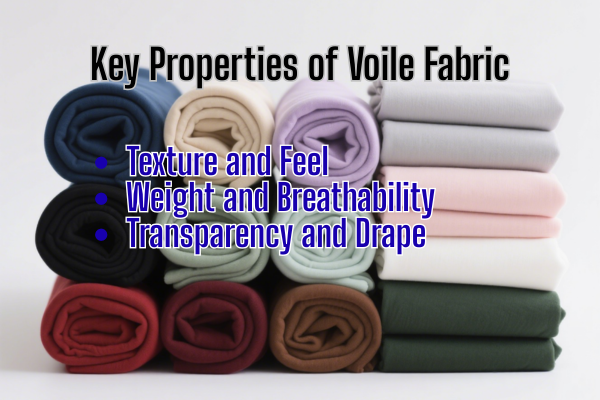
Voile feels soft but not slippery. Think of it as a happy medium between lawn and chiffon. It doesn’t cling or stick, which is a blessing on humid days.
Weight and Breathability
Clocking in under 75 GSM, voile is featherlight. It lets your skin breathe—making it ideal for hot climates. It doesn’t trap heat or make you sweat buckets.
Transparency and Drape
Voile is semi-sheer. It’s not see-through like chiffon, but it does need lining if modesty matters. Its drape is soft and flowing, not rigid. That’s why it sways so effortlessly when used for window treatments.
Common Uses of Voile Fabric
Apparel: From Summer Dresses to Scarves
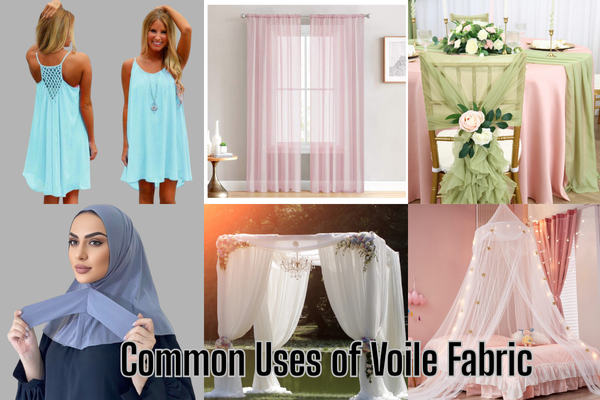
Voile is popular for summer clothing. Designers love its breeziness.
- Sundresses
- Blouses
- Tunics
- Hijabs
- Sarongs
A fun stat? Over 65% of cotton voile globally is used in summer wear across Asia and Africa.
Home Décor: Curtains, Canopies, and Sheers
Voile isn’t just for clothing. It’s a top pick for interiors, especially where you want light to filter in without total exposure.
- Curtain panels
- Window scarves
- Bed canopies
- Mosquito nets
One study by interior stylists showed voile curtains increase natural light transmission by 30%, compared to heavier drapes.
Event Styling and Creative DIY Uses
Think weddings, baby showers, and garden parties. Voile makes:
- Chair sashes
- Table runners
- Ceiling drapes
Pinterest is overflowing with DIY voile canopy ideas—because it’s so easy to work with.
Pros and Cons of Voile Fabric
Advantages
- Ultra-lightweight
- Highly breathable
- Soft and comfortable
- Elegant drape
- Affordable (especially cotton/poly blends)
Limitations
- Needs lining in most garments
- Wrinkles easily (especially cotton)
- Can tear under stress
- Silk versions need delicate handling
Care Instructions for Voile Fabric
Washing Tips
- Machine wash cold (unless it’s silk)
- Use a gentle detergent
- Avoid bleach—it’s harsh on fibers
Ironing and Drying
- Iron on low heat while slightly damp
- Air dry flat to preserve shape
- Don’t wring—it’ll distort the weave
Some polyester voile may not wrinkle much. But cotton? Yeah, it crinkles like a bag of chips. So handle with care.
How Voile Fabric Compares to Similar Fabrics
Voile vs. Chiffon
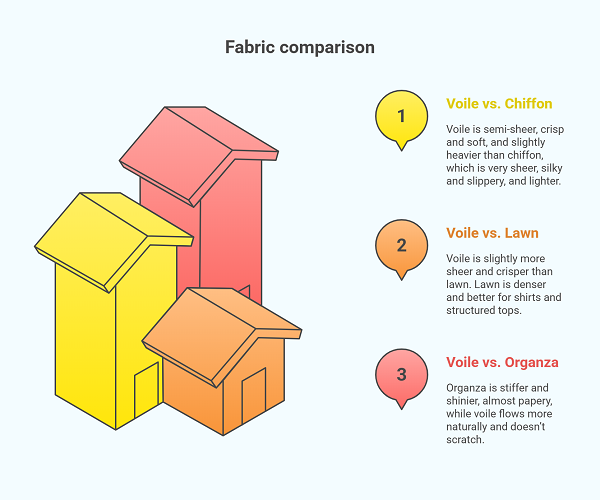
| Property | Voile | Chiffon |
| Sheerness | Semi-sheer | Very sheer |
| Texture | Crisp and soft | Silky and slippery |
| Weight | Slightly heavier | Lighter |
Voile vs. Lawn
Voile is slightly more sheer and crisper. Lawn is denser and better for shirts and structured tops.
Voile vs. Organza
Organza is stiffer and shinier, almost papery. Voile flows more naturally and doesn’t scratch.
Final Thoughts: Is Voile Fabric Worth It?
Absolutely. If you want a fabric that feels like wearing air, voile’s a winner. It keeps you cool, looks elegant, and doesn’t break the bank. Whether you’re sewing your next dress or redecorating a sunroom, voile brings lightness and charm.
It’s not perfect. You may need to press it often or double it up. But for its price, versatility, and comfort, voile earns its place in the textile hall of fame.
FAQs About Voile Fabric
1. Is voile fabric see-through?
Yes, it’s semi-sheer. For clothing, it’s often paired with a lining or worn in layers.
2. Can voile be used for winter clothing?
Not really. Voile is too light and breathable for cold weather. Save it for spring and summer.
3. How do I stop voile from wrinkling?
Store it hanging or folded loosely. Use steam or a low iron to remove creases.
4. Is voile eco-friendly?
Cotton voile can be eco-friendly if it’s organic. Polyester voile isn’t biodegradable but is more durable.
5. What’s the best substitute for voile?
If you want something similar but a bit more structured, go for cotton lawn or lightweight muslin.
