
What Is Ottoman Fabric?
Ottoman fabric is a ribbed, heavy-weight textile known for its thick weft and thin warp weave. It has a distinct corded surface and feels structured, almost sculptural. Designers love its texture. Tailors love its strength. Consumers? They’re just confused by the name.
Table of Contents
Despite sounding like it belongs on a throne or a footstool (yeah, the ottoman pun writes itself), Ottoman fabric is a serious player in the textile game.
History and Origin of Ottoman Fabric
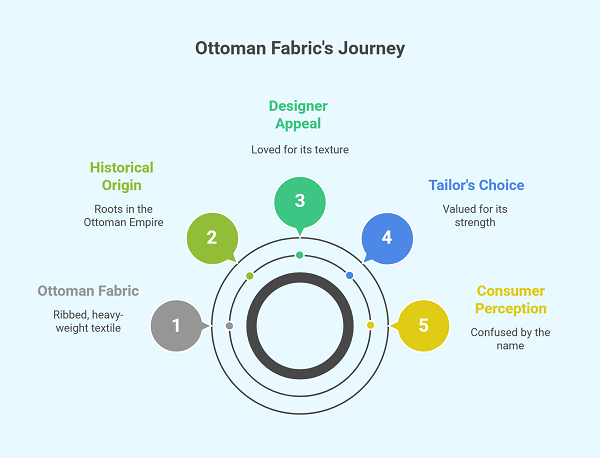
This fabric didn’t just fall out of a loom one day. It has roots in the Ottoman Empire, dating back to the 14th century. The elite once flaunted it in robes and upholstery. Wealth spoke through cloth back then—and Ottoman fabric screamed it.
Fast forward to the 21st century. It’s no longer royal-exclusive, but it hasn’t lost that touch of class.
Characteristics of Ottoman Fabric
Here’s where things get tactile. You might not be able to feel this page, but I’ll paint the texture for you.
Texture and Feel
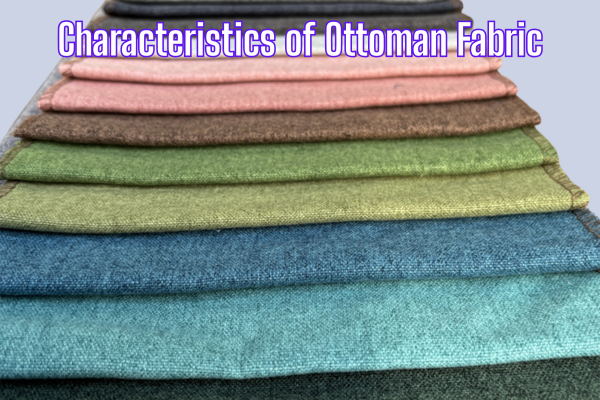
Sturdy. Dense. Slightly coarse. Ottoman isn’t silk-smooth, but it’s not burlap-rough either. Think of it as the denim of decor—structured yet flexible.
Weave Structure
It’s all about the ribbed weave. You’ll find thick horizontal cords running across a finer warp. This gives it the appearance of shallow ridges—perfect for adding visual depth without overwhelming the eye.
In terms of GSM (grams per square meter)? Typically between 200 to 400 GSM depending on application.
Color and Design
Ottoman fabric often comes in solid colors, but textured printing and jacquard overlays are common too. High-quality versions use dyed yarns, not printed dyes, ensuring colorfastness.
Common Uses of Ottoman Fabric
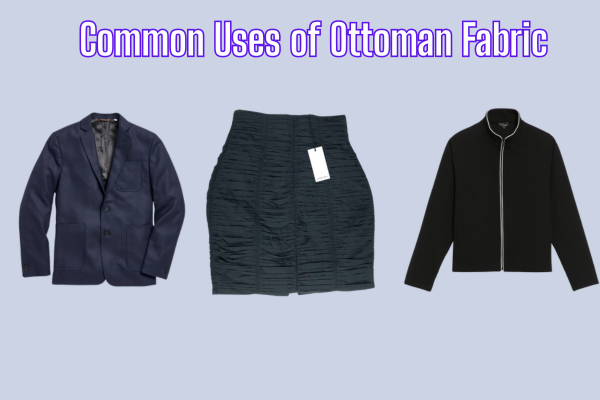
Ottoman fabric doesn’t sit in the corner. It dominates rooms, outfits, and even car seats.
Apparel Industry
- Jackets
- Blazers
- Formal skirts
The structured nature of Ottoman makes it ideal for garments that need shape. Think structured shoulders or pleated skirts that hold their form.
Home Furnishings
Ah yes, the literal ottoman. But also:
- Upholstery
- Cushions
- Drapery
According to a 2023 interior textile report, 14% of luxury upholstery fabrics now use Ottoman weave.
Automotive Interiors
Car manufacturers like using Ottoman fabric in seat covers and dashboards, especially in mid-range sedans. Why? It doesn’t wrinkle easily and gives a premium look without the premium price.
Pros and Cons of Ottoman Fabric
Pros
- Strong and durable (holds up to 20,000 rub cycles in abrasion tests)
- Elegant texture
- Retains shape well
- Resists wrinkling
Cons
- Not ideal for hot climates (doesn’t breathe well)
- May fray at edges if not hemmed properly
- Not as soft as cotton
How Ottoman Fabric Compares to Other Fabrics
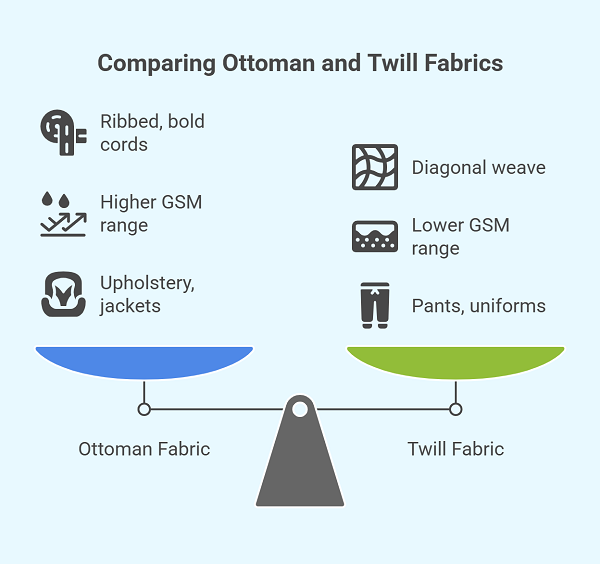
Let’s pit it against its closest cousins.
Ottoman vs Twill
| Feature | Ottoman | Twill |
| Texture | Ribbed, bold cords | Diagonal weave |
| GSM | 200–400 | 150–300 |
| Use | Upholstery, jackets | Pants, uniforms |
Ottoman wins in structure. Twill wins in softness.
Ottoman vs Canvas
Canvas is rougher. It’s built for tents and bags. Ottoman? That’s for your tailored blazer or chic armchair. Canvas is the worker; Ottoman is the designer.
Care and Maintenance Tips
Want Ottoman fabric to last? Treat it like you’d treat a silk tie you accidentally spilled wine on—gently, and with regret.
- Spot-clean with mild soap
- Avoid machine washing if possible
- Dry clean structured garments
- Vacuum upholstery weekly to remove dust from the ribs
Heat is not its friend. Always use low to medium ironing temperatures, or better yet—steam from a distance.
Final Thoughts
Ottoman fabric isn’t just a relic from the past—it’s a textured, robust textile with modern versatility. Whether it’s adding depth to interiors or structure to fashion, it delivers both form and function. And though its name might confuse the average shopper, those in the know recognize its power. Ottoman fabric doesn’t shout. It speaks with quiet confidence—and a few bold ribs.
FAQs
1. Is Ottoman fabric breathable?
Not really. Its dense weave traps heat, making it unsuitable for hot climates or summer clothing.
2. Can you wash Ottoman fabric in a washing machine?
Not recommended. Spot cleaning or dry cleaning is safest, especially for garments and upholstery.
3. Does Ottoman fabric wrinkle easily?
Nope! One of its best traits is wrinkle resistance. Great for structured looks.
4. Is Ottoman fabric eco-friendly?
It depends on the fiber used. Cotton-based Ottoman is better for the environment than synthetic ones.
5. What fiber types are used in Ottoman fabric?
You’ll find it in cotton, polyester, viscose, or blends. The fiber affects everything from softness to durability.
