
Let’s face it—some fabrics just slip under the radar. Sheeting fabric is one of those unsung heroes. It’s not flashy, it doesn’t sparkle, and it sure won’t win any runway awards. But you’ve probably wrapped yourself in it every night. Yes, we’re talking about the humble, hardworking sheeting fabric.
Table of Contents
Used for everything from bedsheets to hospital gowns, this fabric plays a vital role across industries. And no—it’s not all the same. Thread count matters, fiber content matters, and yes, even the weave style can change your sleeping experience. So buckle up—we’re about to unravel it all.
What Is Sheeting Fabric?
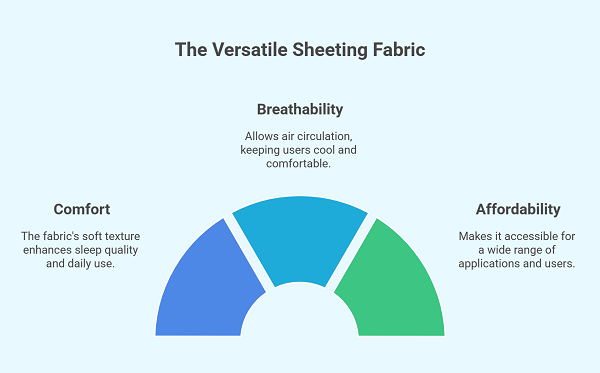
Sheeting fabric refers to a wide-width, smooth, and tightly woven material often used for bed linens, tablecloths, and garments. It’s usually made from cotton, polyester, or a blend of both. Most commonly, you’ll find it in plain or percale weaves.
But what makes sheeting fabric stand out? It’s the blend of comfort, breathability, and affordability. While its name screams “sheets,” it does much more than that.
Types of Sheeting Fabric
Let’s clear something up. All sheeting fabrics aren’t created equal. Here’s the breakdown.
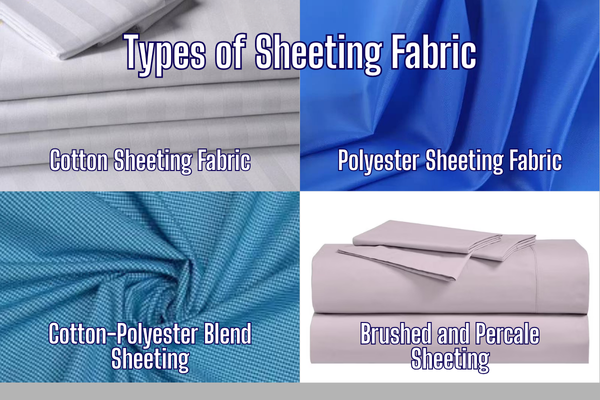
Cotton Sheeting Fabric
The classic. 100% cotton sheeting fabric is breathable, hypoallergenic, and easy to sew. It’s perfect for warmer climates. Think of it as the linen version of that best friend who always shows up when you need them.
Polyester Sheeting Fabric
More durable, wrinkle-resistant, and cheaper than cotton. Polyester sheeting fabric doesn’t breathe as well but holds its shape and color over time. Hospitals love it. Your skin might not.
Cotton-Polyester Blend Sheeting
Best of both worlds? Maybe. A cotton-polyester blend sheeting fabric combines softness with longevity. A 60/40 cotton-poly ratio is most common. Want fewer wrinkles without giving up on breathability? This is your guy.
Brushed and Percale Sheeting
Percale has a tight weave—usually 180–200 thread count or more. Brushed cotton is softer, almost fuzzy. Great for winter sheets or pajamas. Just don’t expect it to last a decade.
Common Uses of Sheeting Fabric
Don’t limit it to your bed. Sheeting fabric is the Swiss Army knife of textiles.
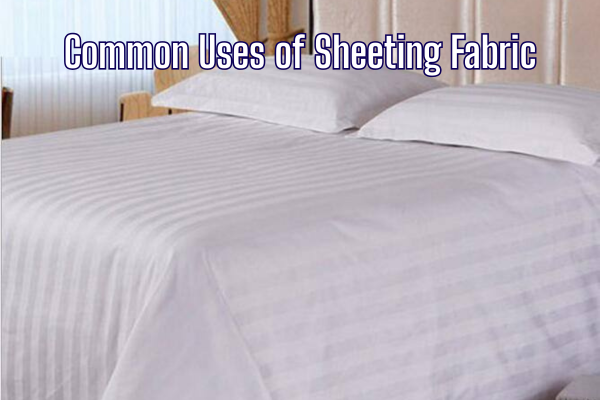
Bedding and Linens
Naturally, pillowcases, flat sheets, duvet covers—you name it. Hotels usually use 200–300 thread count percale sheeting. Why? It balances feel and durability.
Medical and Institutional Applications
Hospitals prefer polyester sheeting fabric because it’s budget-friendly and easy to sanitize. Ever slept on one of those hospital beds? Yep—that’s polyester sheeting beneath you.
Garments and Apparel
Lightweight sheeting fabric works great for summer dresses, tunics, and even kidswear. The fabric’s smooth finish gives clothing a crisp, clean appearance.
Home Décor and Utility Uses
Tablecloths. Curtains. Even quilting backings. Cotton sheeting fabric especially shines in home projects. It’s wide, affordable, and easy to dye.
Key Characteristics of Sheeting Fabric
Let’s talk specs—because stats don’t lie.
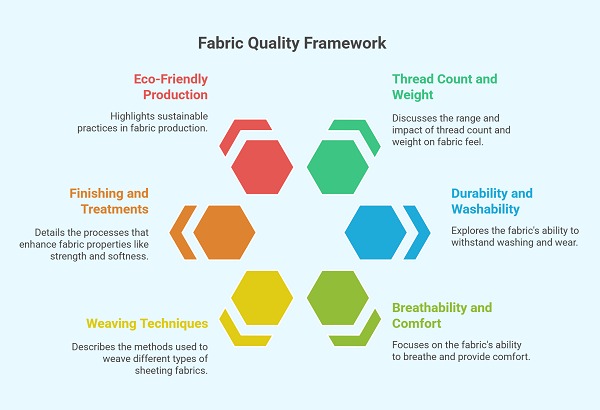
Thread Count and Weight
- Thread Count: Ranges from 150 to 1000+
- Standard Weight: Around 115–150 GSM (grams per square meter)
Higher doesn’t always mean better. A 300 TC cotton percale might feel cooler than an 800 TC sateen.
Durability and Washability
A good sheeting fabric withstands dozens of wash cycles. Polyester scores higher in tear strength, but cotton wins in color fastness (especially when pre-shrunk).
Breathability and Comfort
Cotton breathes. Polyester traps heat. A cotton-poly blend walks the line. Always consider the climate when choosing your fabric.
How Sheet Fabric Is Made
From fiber to final finish—it’s a journey.
Weaving Techniques
Most sheeting fabrics are plain-woven. Percale is tighter and smoother, while sateen has a softer, shinier feel due to a satin weave.
Finishing and Treatments
Common finishes include:
- Mercerization (for strength and sheen)
- Brushing (for softness)
- Anti-pilling (for longevity)
Eco-Friendly Production Options
Look for GOTS-certified cotton sheeting fabric if you want sustainability. Organic cotton consumes 91% less water than conventional cotton.
Buying Guide for Sheeting Fabric
Shopping smart means knowing what to look for.
What to Look for in Quality Sheeting
- Fabric width: Standard widths are 90″, 108″, and 120″
- Thread count: 180–300 is a sweet spot for breathability and cost
- Shrinkage: Pre-shrunk cotton = fewer surprises after the first wash
Price vs. Performance
- Cotton: $2.40–$6.00 per meter
- Polyester: $1.20–$3.60 per meter
- Blends: $1.80–$4.80 per meter depending on composition and finish
A high price tag doesn’t guarantee high comfort.
Tips for DIY Projects and Tailoring
- Use a ballpoint needle for polyester sheeting
- Pre-wash cotton fabric before cutting
- Always test shrinkage on a scrap piece
Conclusion
Sheeting fabric may not be the diva of the fabric world, but it sure runs the show behind the curtain. From hotel beds to home sewing projects, it offers a reliable mix of affordability, comfort, and versatility. Whether you’re picking out your next set of bed linens or tailoring a light summer dress, sheeting fabric deserves a closer look. It’s that dependable old friend—always there, even when no one notices.
FAQs
1. What is the best sheeting fabric for summer?
Cotton sheeting fabric is the best for summer due to its high breathability and moisture-wicking ability.
2. How do I prevent sheeting fabric from shrinking?
Buy pre-shrunk fabric and always wash in cold water with mild detergent. Avoid hot drying.
3. What thread count is ideal for sheeting fabric?
A thread count of 200 to 300 is perfect for softness, durability, and airflow in everyday use.
4. Can I use sheeting fabric for sewing clothes?
Absolutely. Lightweight sheeting fabric is excellent for shirts, dresses, and children’s garments.
5. Is polyester sheeting fabric safe for sensitive skin?
Not always. Cotton is more skin-friendly. Polyester can trap heat and cause irritation for some people.
