
What Exactly Is Tulle Fabric?
Definition and Origin
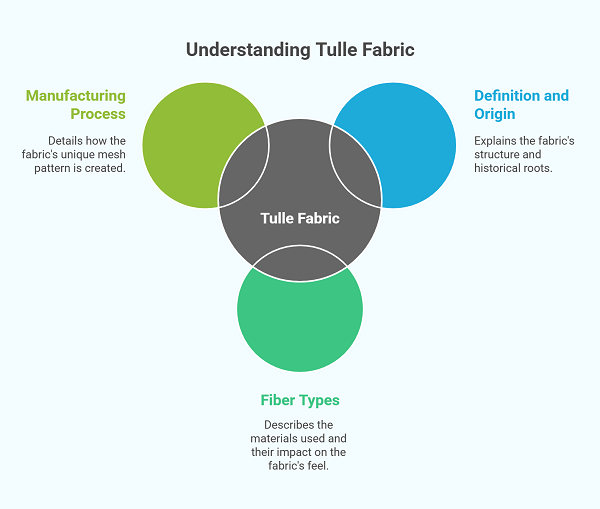
Tulle is a fine, lightweight net fabric with a hexagonal mesh structure. If you’ve ever seen a ballerina’s tutu or a wedding veil flutter in the breeze, chances are you’ve already met tulle—whether you knew its name or not. The fabric takes its name from Tulle, a town in southern France known for lace and silk production during the 18th century. Pretty chic origin, right?
Table of Contents
How It’s Made
Tulle is usually woven from silk, nylon, polyester, or rayon. Each fiber gives it a slightly different feel and stiffness. Polyester tulle, for instance, is the most common, affordable and slightly stiffer. Silk tulle? Dreamy, expensive, and soft as air. The net is made by twisting yarns into a hexagonal pattern, giving it that airy, ethereal look.
Common Types of Tulle
- Silk Tulle – Luxurious and rare. Priced $30–$60 per yard.
- Polyester Tulle – Budget-friendly, often used in mass fashion. Around $1–$5 per yard.
- Nylon Tulle – Strong and a bit stretchy. Used often in lingerie and dancewear.
- Illusion Tulle – Very fine and sheer; great for veils.
Characteristics That Make Tulle Unique

Lightweight and Sheer
Tulle can weigh as little as 10–25 GSM (grams per square meter), making it one of the lightest fabrics in the textile world. It’s so airy, it practically floats.
Strength in Fineness
Despite being thin, tulle isn’t fragile unless you treat it like tissue paper. Nylon tulle has a tensile strength of over 40 MPa. That’s strong for a net that weighs less than a sheet of paper.
Versatility Across Industries
From wedding gowns to mosquito nets—tulle’s adaptability is impressive. It’s also flame retardant when treated, and some tulle is even UV resistant.
Popular Uses of Tulle Fabric
Fashion Industry—From Ballet Tutus to Bridal Veils
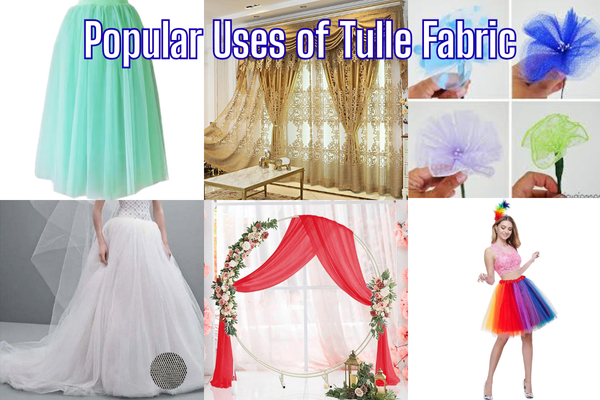
You’ll find tulle gracing catwalks and closets alike. It adds volume to skirts without adding weight. Bridal fashion alone accounts for nearly 60% of the global tulle demand. It’s also the backbone of ballet costumes—the classic tutu uses layers upon layers of tulle.
Interior Décor and Event Styling
You’ve probably seen tulle tied into bows on wedding chairs or hanging in dreamy drapes at events. Tulle garlands, table skirts, and canopy backdrops are big in the DIY wedding scene. One bolt of tulle (around 40 yards) can style an entire reception.
DIY Crafts and Costumes
Crafters adore tulle for making hair accessories, Halloween tutus, and more. With a glue gun and a little imagination, tulle becomes a design playground.
Tulle Fabric vs. Similar Fabrics
Tulle vs. Net Fabric
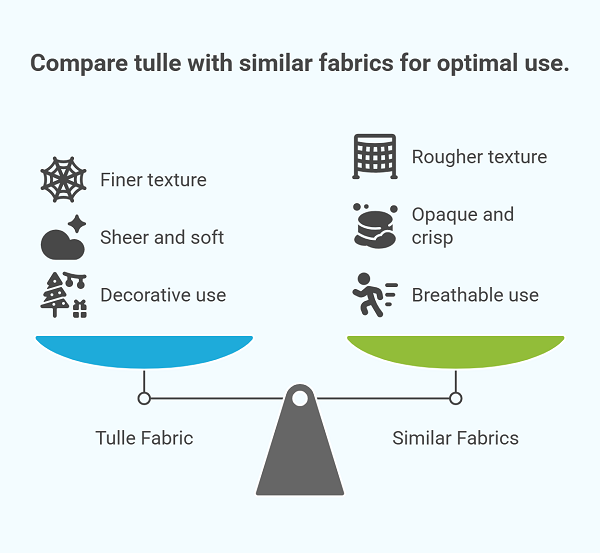
Both are mesh, but net fabric is rougher and stiffer. Tulle is finer, with smaller holes. Think: tulle for elegance, net for structure.
Tulle vs. Organza
Organza is smooth, crisp, and slightly opaque. Tulle is soft and sheer. Use organza for stiff bows, tulle for floaty veils.
Tulle vs. Mesh
Mesh is more open and breathable—often used in sportswear. Tulle is delicate and decorative.
Pros and Cons of Tulle Fabric
Why People Love It
- Lightweight yet durable
- Affordable (especially polyester tulle)
- Versatile—used in fashion, décor, crafts
- Drapes beautifully
- Available in dozens of colors and finishes
Where It Falls Short
- Can snag easily
- Not always eco-friendly (polyester-based)
- Needs care in washing
- Weak against heavy strain
How to Care for Tulle Fabric
Washing and Drying Tips
Hand washing is safest. Use cold water and a gentle detergent. Machine washing? Only if you’re daring—and use a mesh bag. Skip the dryer. Air drying is best to avoid distortion.
Storing Tulle the Right Way
Roll it instead of folding. Folding causes creases that stick like a bad haircut. Hang it when possible, or store in tissue paper to maintain its fluff.
Fun Facts and Stats About Tulle
- The global tulle market is projected to hit $1.1 billion by 2027, growing at over 5.3% CAGR.
- Around 90% of mass-market wedding veils use polyester tulle.
- One bolt (40 yards) of tulle can weigh less than 1.5 pounds.
- Tulle is used in aerospace testing as airflow indicators. Who knew?
Final Thoughts on Tulle Fabric
Tulle may look fragile, but it has stood the test of time—both on stage and in style. It’s not just fabric. It’s emotion sewn into netting. Whether you’re crafting a veil, decorating a wedding, or just trying to stop your cat from shredding your stash (guilty), tulle offers endless possibilities.
Yes, it’s floaty. Yes, it’s delicate. But beneath that softness is a hardworking textile that’s quietly pulling its weight across industries.
FAQs About Tulle Fabric
1. What is the difference between soft and stiff tulle?
Soft tulle drapes easily and feels smooth, while stiff tulle holds shape better—ideal for structured skirts and crafts.
2. Is tulle eco-friendly?
Not always. Polyester tulle isn’t biodegradable. Look for silk tulle or recycled polyester if you want greener options.
3. Can I sew tulle by hand?
Yes, but it requires patience and fine needles. Use French seams or zigzag stitches to prevent fraying.
4. What’s the best use of nylon tulle?
Nylon tulle works great in dancewear and lingerie due to its slight stretch and durability.
5. How do I keep tulle from tearing?
Avoid pulling too hard. Reinforce edges with bias tape or double-fold hems when sewing for longevity.
