
Ever heard of whipcord and thought it sounded like something Indiana Jones would carry? I did too. But no, it’s not a weapon — it’s a powerhouse fabric. Known for its dense weave, exceptional strength, and slightly stiff drape, whipcord fabric is the silent hero behind uniforms, outdoor gear, and those trousers that never seem to wear out.
What is Whipcord Fabric?
The Name Behind the Fabric
Let’s clear one thing up: whipcord has zero to do with whips, cords, or leather. The name likely comes from its strong, corded appearance. Picture a twill weave so sharp and angled, it could pass for pinstripes — only chunkier.
Table of Contents
Structure and Composition
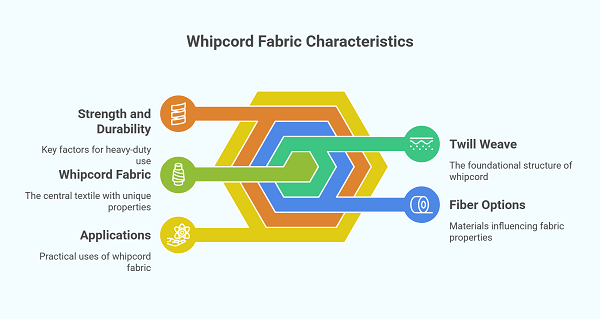
Whipcord uses a steep-angled twill weave, often woven tightly from worsted wool, cotton, or synthetic blends. The ridges are pronounced and diagonal. Depending on the fiber, it can feel crisp like canvas or smoother like gabardine.
How It Compares to Similar Fabrics
Gabardine is often mistaken for whipcord, but gabardine is softer, shinier, and more pliable. Whipcord’s structure is stiffer, more utilitarian. It’s not trying to be elegant — it’s trying to survive.
Key Characteristics of Whipcord
Twill Weave with a Twist
A classic twill weave shows diagonal lines — think denim. But whipcord’s steep twill angle (63° to 75°) gives it a sharper visual and tactile edge. Those ridges aren’t just stylish — they fend off abrasion and dirt.
Fiber Options and Feel
- Wool whipcord is breathable, naturally insulating, and great for cold-weather wear.
- Cotton whipcord is lighter, a bit rougher, and used in warmer climates.
- Polyester blends increase strength and weather resistance.
Strength, Weight, and Abrasion Resistance
You won’t rip this stuff easily. The average tensile strength of whipcord fabric exceeds 400 N (newtons), depending on the fiber used. That’s why it’s a go-to for heavy-duty trousers and military-grade uniforms.
Common Uses of Whipcord Fabric
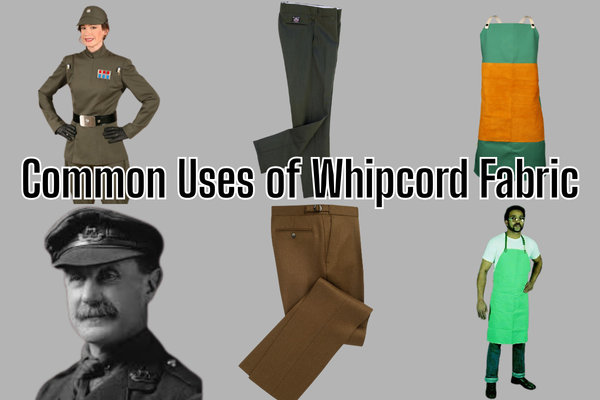
Military and Police Uniforms
Military dress uniforms? Yup, whipcord. Its clean lines, firm shape, and low-maintenance nature make it ideal. And let’s be honest, it’s kind of indestructible.
Trousers, Overalls, and Outerwear
If you’ve worn Dickies, Carhartt, or other workwear legends, you’ve probably touched whipcord. These clothes last years — sometimes decades — thanks to the fabric’s structure.
Industrial Applications
Whipcord is used in protective clothing, aprons, and mechanic’s gear. It’s also found in riding breeches, thanks to its resistance to chafing and consistent fit.
Why Choose Whipcord?
Durability vs Comfort
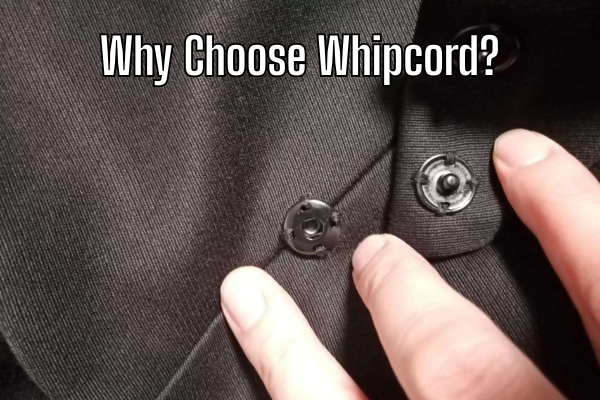
Here’s the tradeoff: whipcord is durable, not buttery soft. But it breaks in well. Give it a few wears, and it starts shaping to you like an old pair of boots.
Weather-Resistant Qualities
Wool whipcord, in particular, handles moisture like a champ. Its tight weave offers natural water resistance, and the fabric still insulates even when damp — something synthetics struggle to do.
Easy Maintenance and Longevity
Despite its toughness, whipcord doesn’t need babying. Dry cleaning recommended for wool, but cotton and synthetics can be machine washed cold and tumble dried low. With proper care, it can last over 10 years with frequent use.
Tips for Working with Whipcord
Cutting and Sewing Tips
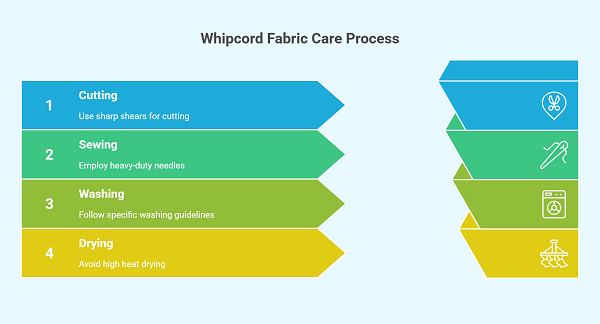
Cut with sharp shears. This isn’t muslin; it’ll fight back. Use heavy-duty needles (size 100/16 or 110/18) and a longer stitch length to prevent puckering.
Washing and Care Guidelines
- Wool whipcord: Dry clean only.
- Cotton/poly blends: Wash cold, gentle cycle, avoid bleach.
- Avoid high heat drying — it can shrink or warp the fabric.
Final Thoughts
Whipcord fabric might not have the silky charm of satin or the stretch of spandex, but it wins where it matters — strength, function, and longevity. It’s a fabric that rolls up its sleeves and gets to work. You probably won’t find it on a red carpet, but in factories, fire stations, and farms? It’s everywhere.
If you need a fabric that doesn’t flinch at wear, tear, or a bit of grime, whipcord’s got your back. It’s tough, practical, and — once you get past the stiffness — surprisingly loyal.
FAQs
1. Is whipcord fabric breathable?
Yes, especially when made from wool or cotton. It allows air flow while still providing protection.
2. What’s the difference between whipcord and gabardine?
Gabardine is smoother and more flexible. Whipcord has a firmer structure and more pronounced twill lines.
3. Can I use whipcord for upholstery?
Not ideal. It’s great for clothing and uniforms but lacks the plush feel and stretch needed for furniture.
4. Is whipcord water-resistant?
Wool whipcord offers natural water resistance, while synthetic blends may provide better moisture repellency.
5. How can I soften whipcord trousers?
Wear them often. Over time, body heat and washing help soften the fibers, especially in cotton versions.
