
Choosing the right colorfastness tester is essential for textile laboratories to ensure reliable testing and meet customer requirements. This guide explores the key factors to consider when selecting colorfastness testing equipment, including test methods, applicable standards, automation, and testing capacity. It also explains how ChiuVention Color Fastness Testers support different testing needs while simplifying data management and reporting to improve laboratory efficiency.
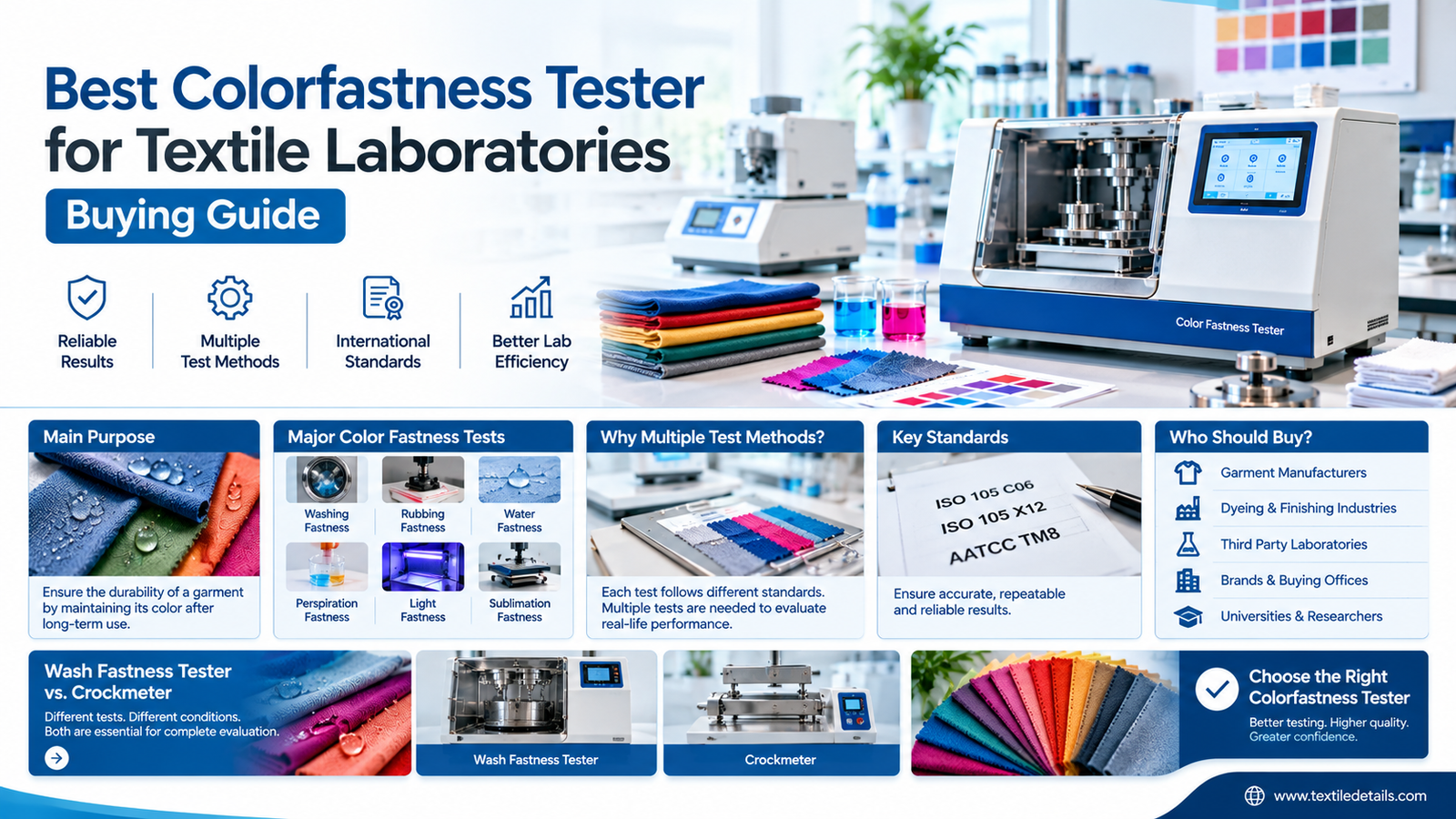
Main Purpose of Color Fastness Testing
The main objective of this testing is to ensure durability of a garment either it maintain its shade or not after long term use. Main durability tests are the color fastness to the washing test, rubbing fastness with the help of a crockmeter and color fastness to water.
Major Color Fastness Tests
A single testing equipment is not able to measure all color fastness tests. For example, for washing fastness we required a suitable wash fastness tester or washing fastness Tester for color fastness to washing Test method.
While for rubbing fastness, we required a color fastness to crocking tester for AATCC TM 8 crock test. While other fastness tests are also essential like, fastness to perspiration, light and sublimation etc.
Why Only One Tester Cannot Perform All Fastness Tests?
As each test follows different color fastness to washing test standards. So, only one test from the color fastness testing methods list is not enough to determine the overall fabric performance in different real life conditions.
Multiple tests are required to measure the actual performance of fabric like ISO 105 C06 is used to measure the color fastness to washing while, ISO 105 X12 provides us methods to measure the rubbing fastness of dyed fabrics.
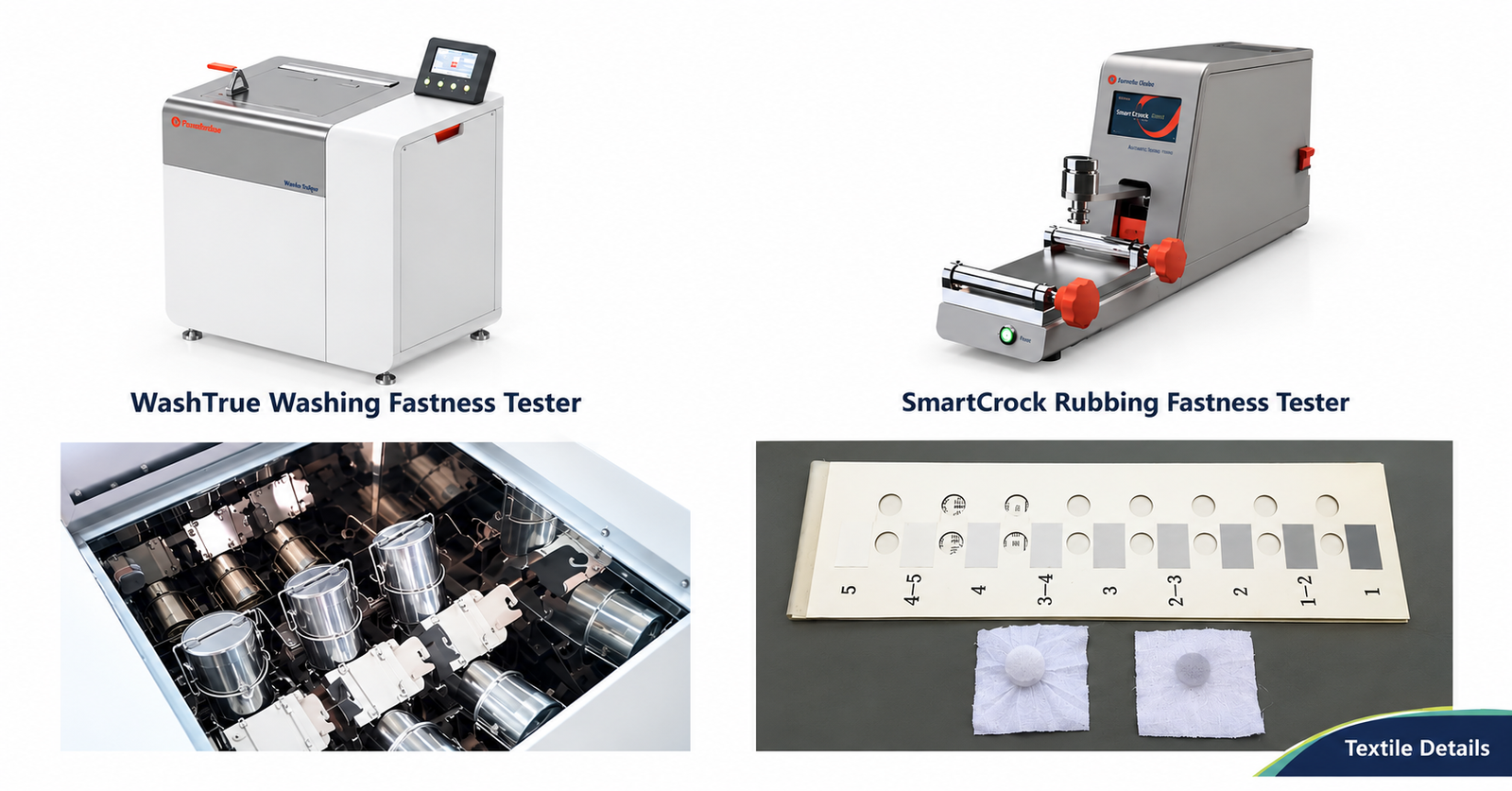
Crucial Colorfastness Tests for Textile Laboratories
Major Tests Performed by Textile Laboratories
The selection of a color fastness tester mainly depends on requirements of the buyer and tests required. Usually, laboratories measure color fastness to the washing test, rubbing fastness, color fastness to water, perspiration, light and chlorine etc.
Table 1 Major Fatness tests and their evaluations
| Major Tests | Evolutions | Standards | Required Equipment |
| Washing | Color change or staining | ISO 105 C06AATCC 61 | Wash fastness tester |
| Rubbing | Wet and dry rubbing | ISO 105 X 12 | Crockmeter |
| Water | Resistance of Color change to water | AATCC TM8 | Water fastness tester |
| Perspiration | Acid and Alkaline perspiration testing | ISO 105 E01 | Perspiration tester |
| Light | Color change resistance to light | ISO 105 B02 | Light fastness tester |
A modern color fastness tester supports all types of international standards, accuracy, repeatability and ensures improvement in testing.
Who Should Buy Different Color Fastness Testers?
Garments Manufacturing Industries
For the inspection of garments, quality control and approval of shipment, the garments industries required a suitable washing fastness tester and textile crockmeter. These machines measure the actual performance of fabric in daily life uses.
Dyeing and Finishing Industries
As the dyeing industries have to test multiple samples to verify their wash and rubbing performance, they require a reliable tester to verify the dry and wet rubbing performance as well as washing results.
Third Party Laboratories
Third party laboratories handle large number of outside clients. They require a suitable fastness tester that, support all international standards.
Brands and Buying Offices
During audits of different suppliers, multiple tests are down to ensure product fastness properties.
University and Researchers
The universities and research departments must focus on automatic testers that, reduces the human errors, support all international testing standards and provide flexibility of different research works.
Major Differences Between Wash Fastness Tester and Crockmeter
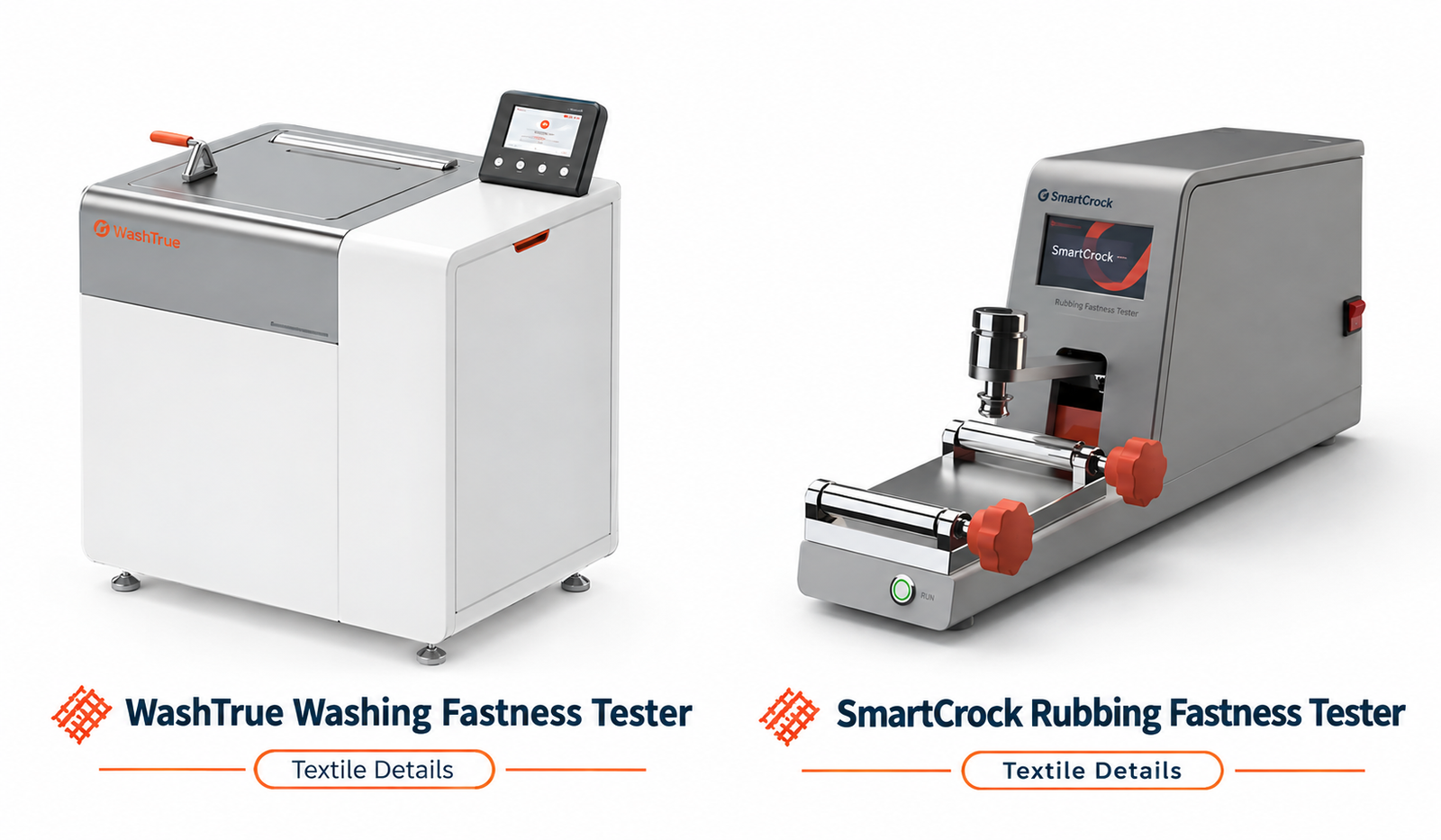
These both instruments are used to measure color fastness but have different testing conditions. A washing fastness tester measures the fabric ability to resist change of color or staining after repeated home washings.
On the other hand, crockmeter measures the amount of color stain after multiple cycles of rub in both dry and wet conditions.
Table 2 Difference between washing fastness and rubbing fastness tester
| Features | Wash Fastness Tester | Rubbing Fastness Tester |
| Testing Purpose | Color change towards washing | Color change towards rubbing |
| Condition of sample | Wet | Wet or dry |
| Standards | ISO 105 C06 AATCC 61 | ISO 105 X 12 AATCC TM 8 |
| Major users | Dyeing Industries and laboratories | Textile industries |
Washing fastness test is important for almost all garments and our clothing because, these fabrics are subjected to multiple washings in home laundering that can cause colour fade for staining on other fabrics.
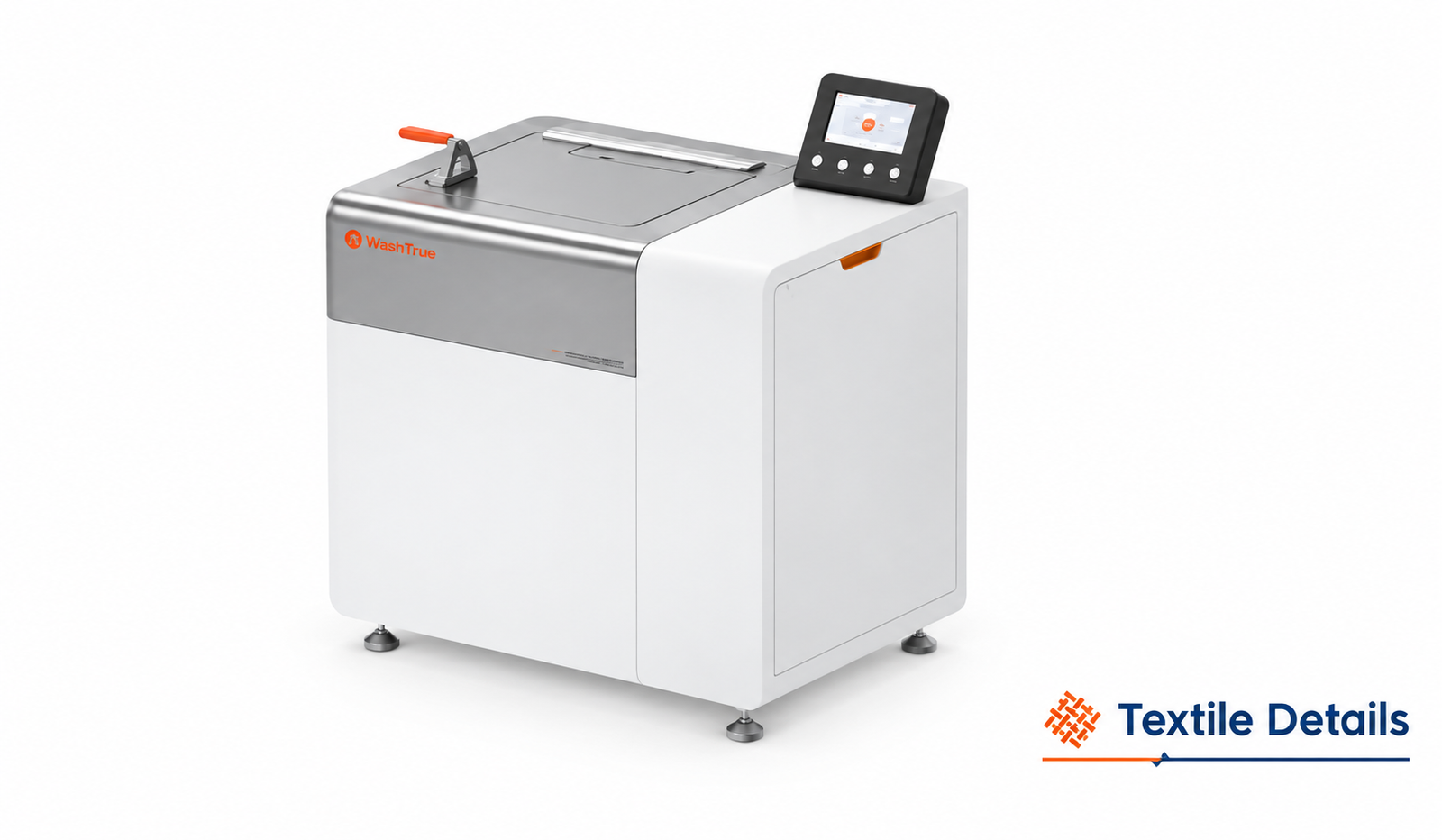
so accuracy is required in washing fastness tester that, must meet the ISO washing fastness standards by maintaining the uniform temperature, mechanical agitation, and washing time.
While for rubbing fastness, a crocking tester is used. It measures the amount of color transfer from dyed fabric to wet or dry white fabric. This ISO crock test is important for all dark colour fabrics and denim fabrics where, a small change in the fabric shade can affect the customer satisfaction and brand reputation.
How to Select a Suitable Color Fastness Tester?

Control of Temperature
Uniform temperature during washing is important because it ensures the interaction of detergent and fiber under consistent washing conditions.
Ease of Use
A modern washing tester provides us many facilities like, automatic temperature control, uniform agitation and control of the testing time well. The overall ability of these testers produces consistent and accurate testing results.
Testing Capacity
Laboratory must buy a washing fastness tester according to volume of samples. They must have focused on dual independent test stations. By using this we can test different color fastness to washing test at different conditions.
Compliance with International Standards
Must select the color fastness tester that, support multiple standards like ISO 105 CO6, AATCC 61 and other.
Testing Reports
Modern testers are integrated with ERP and LIMS that, generate testing reports automatically, lowers the manual records which are suitable for dyeing and third-party laboratories.
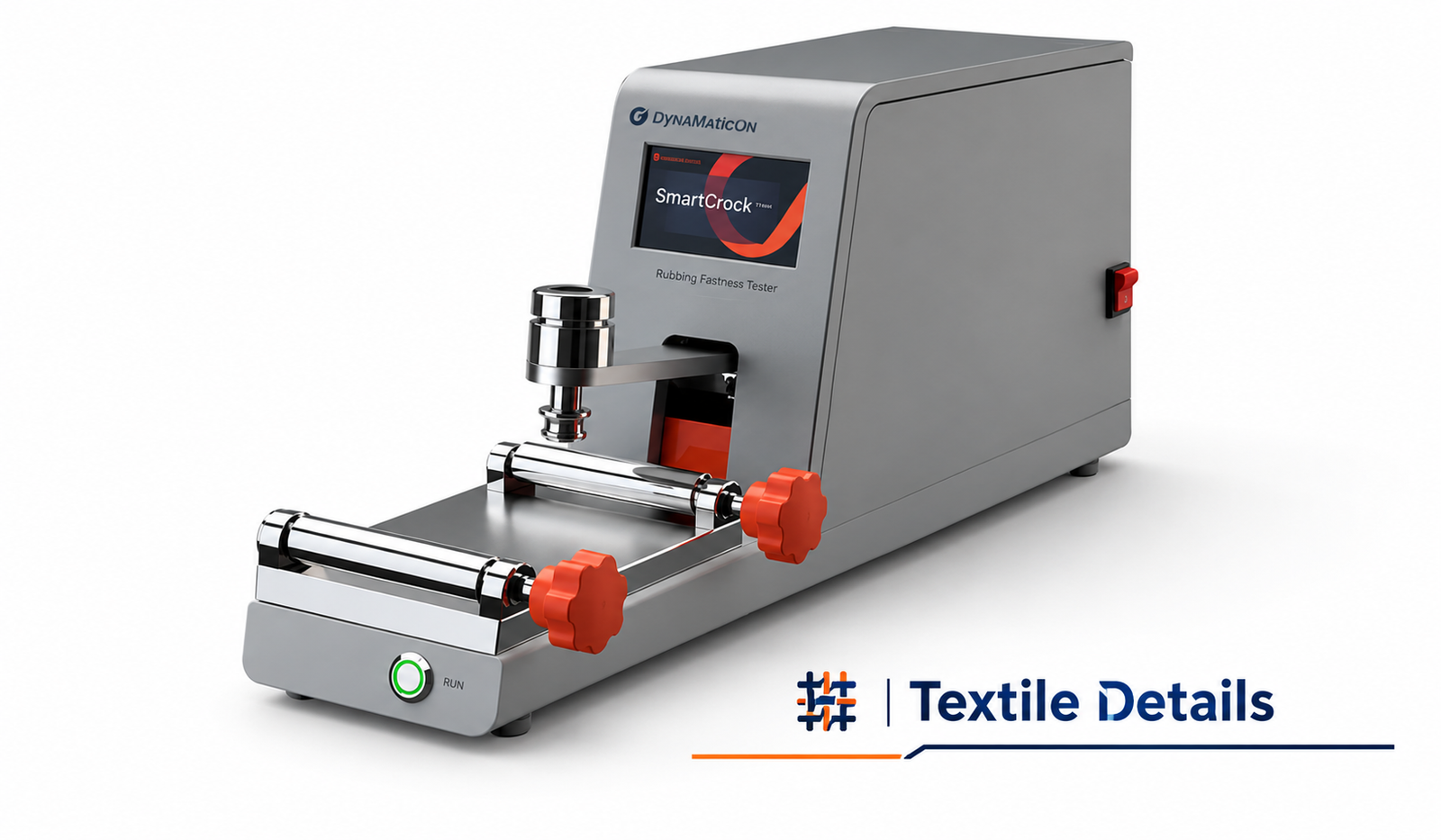
How to Buy a Suitable Crockmeter?
Consistency Level
If your current Crocking tester is producing variation between operators and Laboratories, then you must have to move towards a high accuracy crocking tester. These systems maintain uniform pressure and stroke that, Lowers the variation and overall testing errors.
Need of Testers According to Lab Workload
The laboratory must select the tester according to the sample volume. If you are testing a large number of samples daily you must consider an automatic tester because, the manual tester limits your testing due to separate wet and dry rubbing tests.
Compliance with International Standards
A suitable crockmeter must support different international standards like, ISO 105 X 12, AATCC TM 8 and other. This will fulfill the customer requirements about testing.
Requirements for Data Recording
The manuals or hand written recording in the rubbing fastness test can lead to audit’s risk. The automatic testers are integrated with LIMS and ERP which ensures, digital and sharable results that provide easy access to us.
Dry and Wet Rubbing
Must select a crockmeter that can test both fry and wet rubbing. A modern electronic crockmeter can test both dry and wet on same sample while minimize the time required for sample preparation and improve the laboratory efficiency.
Level of Automation
While buying a crock tester for your laboratory, must consider the tester that is fully automatic like, Sample handling, data recording and cycles count. This reduces the human errors and produces consistent and repeatable results.
Major Standards to Follow
While buying a color fastness tester we must consider the international testing standards. If our tester follows all standards, this will ensure smooth customer requirements for testing, audits and acceptance of results in international markets.
Table 3 Major standards and their applications
| Standards | Major Applications |
| ISO 105 C06 | Washing fastness |
| ISO 105 X 12 | Rubbing fastness |
| AATCC 61 | Fastness to laundering |
| AATCC TM 8 | Dry rubbing |
| AATCC TM 116 | Rotary crocking test |
For measuring color fastness, the standards of ISO and AATCC are mostly used, which provide consistent and accurate results. Major standards used for washing tests include, ISO 105 C06, AATCC 61 and GB T3921.
The modern color fastness testing machine follows multiple testing standards with control testing conditions. While a suitable crockmeter must support different international standards like, ISO 105 X 12, AATCC TM 8 and other. This will fulfill the customer requirements about testing.
Common Mistakes While Buying a Color Fastness Tester

Buy Only One Tester
Usually, many laboratories only buy a washing fastness tester or crockmeter for rubbing. But these two instruments evaluate different results.
Not Considering Testing Standards
Before buying, many customers ignore the testing standards. Must verify the testers before buying and ensure it must follow international standards like ISO, ASTM D and AATCC.
Buying Tester Based only on Price
Usually, customers focus on low initial investment while not considering automation level, repeatability and testing accuracy.
Ignoring Future Testing Requirements
Select the tester that, can test multiple samples in less time and have feed programs for testing.
Forget to Calibrate and Maintenance
During testing regular calibration and maintenance is essential to ensure accurate testing results.
Ignoring Laboratory Throughput
Select the tester according to the volume of samples. An automatic tester can test a large number of samples in less time which will save testing time and cost.
Effective Color Fastness Testing Laboratory
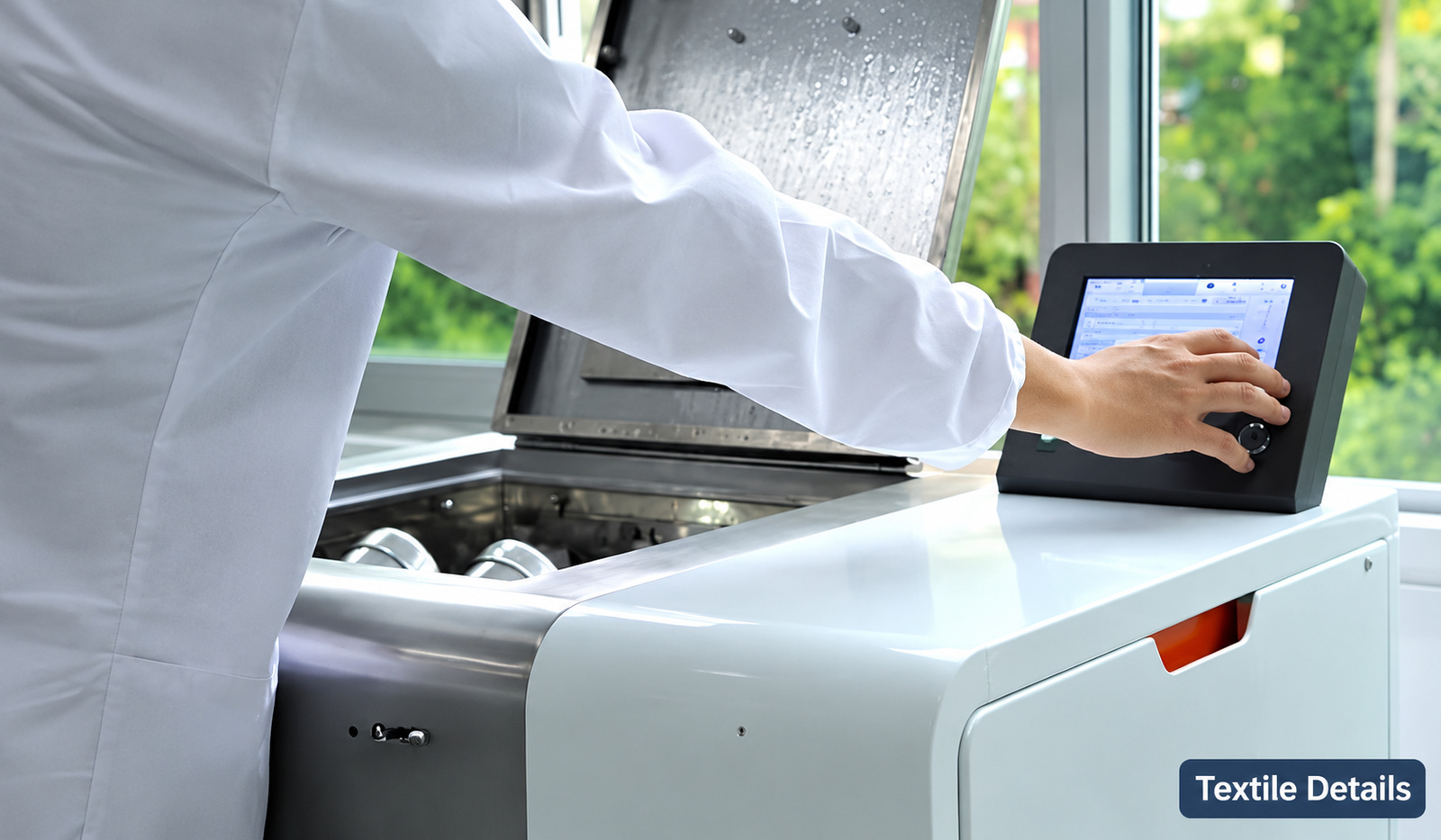
The selection of a color fastness tester is mainly depending number of samples being tested per day, level of automation required in testing, and testing accuracy.
Table 4 Color fastness testers and their major users
| Major Users | Testing Equipment |
| Garments Units | Washing fastness tester and crockmeter |
| Textile Industries | Washing fastness tester, crockmeter and perspiration tester |
| Third party laboratories | Washing fastness tester, crockmeter, perspiration tester and light fastness tester |
| ISO 17025 Laboratory | Multi standards testers compliance with ISO, AATCC and ASTM D. |
An effective textile laboratory includes a color fastness tester for color fastness to the washing test, crockmeter for measuring rubbing fastness in dry and wet conditions. While other test demands are also increasing like, color fastness to washing, perspiration and light.
A modern color fastness tester is integrated with ERP and LIMS that generate the testing data digitally and reduces the human errors. This improves the laboratory testing efficiency, productivity and ensures accurate color fastness results.
Conclusion
Textile laboratories require suitable colorfastness test equipment to guarantee adequate textile quality testing and to comply with relevant standards. There are four different tests to check the colorfastness to washing, rubbing, light and perspiration. Therefore, the appropriate test equipment must be chosen with regard to the necessary tests, the corresponding ISO or AATCC standards, the sample throughput and the degree of automation required in the laboratory.
Automated testing solutions for colorfastness testing for high volume of samples are offered by ChiuVention, enabling textile manufacturers to detect potential problems with the quality of their products early on and thus avoid returns and complaints from customers, thereby protecting their brand.
Lab would assess all aspects of any colorfastness tester such as test methods supported, all parameters that can be controlled, ease of use, data generated and managed as well as other criteria to select the best model to meet current as well as future requirements.
Contact Us
- Email: sales@chiuvention.com
- Website: https://chiuvention.kr/

Monjurul Hasan, An On-Page SEO Expert on WordPress. Study in Automobile & Textile Engineering at Bangladesh Sweden Polytechnic Institute (BSPI). Having 3+ years of experience in Automobile and Technical Textile Products. Working at Upwork & Fiverr MarketPlace . Highly interested in technical product development and fashion forecasting.