
What is Melt Blown Nonwoven Fabric?
Let’s not complicate things. Melt blown nonwoven fabric is a fine web of synthetic fibers, most often made from polypropylene. It’s not woven, stitched, or knitted. Instead, it’s blasted into place—literally.
This fabric shines in situations where you need serious filtration. Think face masks, air purifiers, or oil absorbents. It may not win any fashion awards, but when the world needed protection, this humble fabric stepped up.
Table of Contents
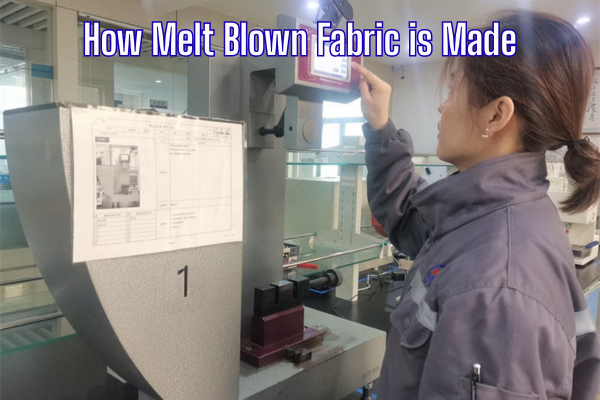
How Melt Blown Fabric is Made
The Melt Blown Process Explained
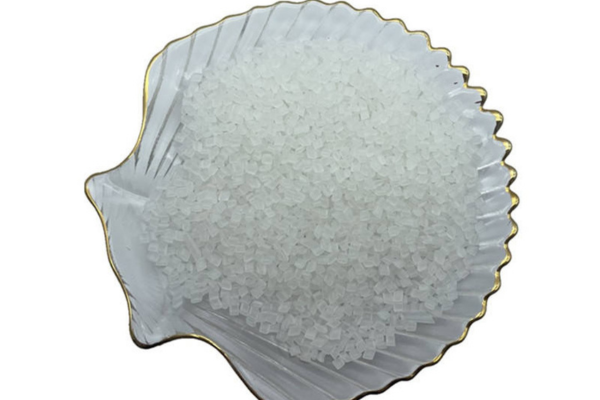
Picture this: plastic pellets melt under heat and are then pushed through a spinneret—a fancy name for a nozzle with hundreds of holes. High-velocity hot air blows the molten polymer into ultra-thin microfibers. These fibers cool mid-air and form a mat on a conveyor belt.
Now, here’s the cool part—these fibers can be as fine as 1–5 microns. For context, a human hair is around 70 microns wide. Tiny, right?
Materials Used in Melt Blown Fabrics
- Polypropylene (PP): Cheap, available, and super versatile.
- Polyurethane (PU): Used where extra softness or elasticity is needed.
- Polylactic Acid (PLA): For eco-lovers, this biodegradable option exists.
Different polymers give the fabric specific properties depending on what it’s needed for—oil absorbency, electrostatic charge, softness, or even water repellency.
Properties That Make It Stand Out
Fiber Diameter and Filtration Capabilities
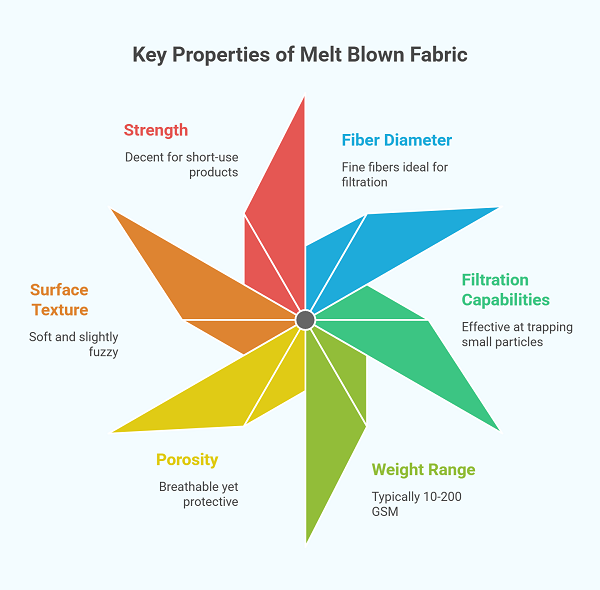
The magic lies in the fiber size. With fibers measuring just a few microns, melt blown fabric is ideal for filtering out bacteria, dust, and even viruses. A single layer can trap over 95% of particles down to 0.3 microns—that’s smaller than most bacteria.
Durability, Absorbency, and Texture
- Weight Range: Typically 10–200 GSM.
- Porosity: Can range from 75% to 95%, making it breathable yet protective.
- Surface Texture: Soft and slightly fuzzy, depending on how it’s finished.
- Strength: It’s not going to pull a truck, but it’s decent enough for short-use products.
Real-World Applications of Melt Blown Fabric
Medical and Healthcare Industry
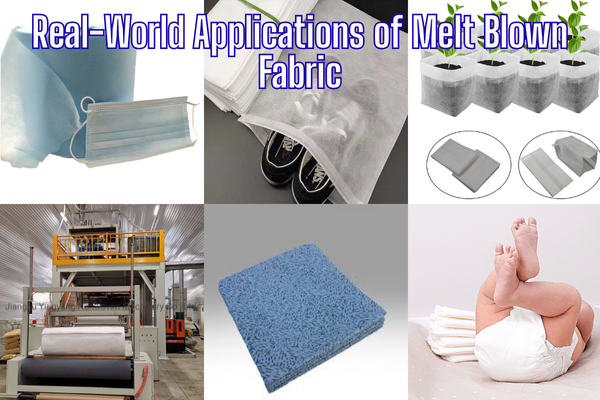
We’ve all seen the iconic blue surgical mask. The melt blown layer is its secret weapon. It’s also used in:
- N95 respirators
- Surgical gowns
- Sterile packaging
- Sanitary napkins
In 2020 alone, global demand for melt blown fabric increased by over 300%, largely due to mask production.
Air and Liquid Filtration Systems
From vacuum cleaner bags to HEPA filters in your AC unit—this fabric is everywhere. It captures particles as small as 0.1 microns while maintaining air flow.
In water treatment, it acts like a bouncer at a nightclub—keeping the bad stuff out, letting clean water through.
Other Industrial and Consumer Uses
- Oil spill clean-ups
- Battery separators
- Acoustic insulation
- Cleaning wipes
- Diaper liners
Yep, chances are your baby’s diaper and your car’s air filter share the same tech. Weird, but true.
Advantages and Limitations
Pros of Melt Blown Nonwoven Fabric
- Excellent Filtration Efficiency (95–99% for particles <1 micron)
- Cost-effective mass production
- Breathable yet protective
- Lightweight and flexible
Challenges and Weaknesses
- Not reusable—most applications are single-use
- Moisture-sensitive—it loses effectiveness when wet
- Environmentally problematic if not disposed of properly
So, while it’s great at catching viruses, it’s not going to save the planet unless combined with better disposal or biodegradable options.
Market Trends and Global Demand
Post-Pandemic Demand Surge
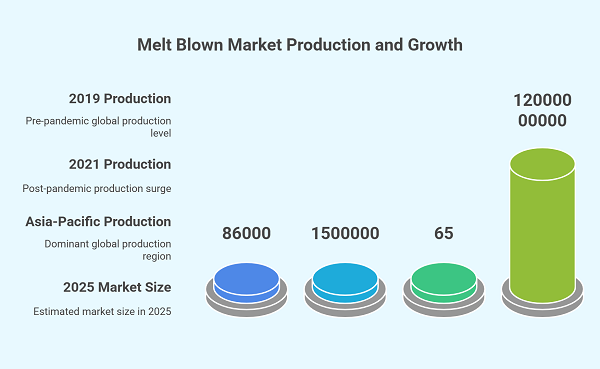
The COVID-19 pandemic sent the melt blown market into overdrive. In 2019, global production hovered around 86,000 tons. By mid-2021? It crossed 1.5 million tons.
In fact, China ramped up its production capacity by over 2000% in just six months. That’s not a typo.
Global Production Statistics
- Asia-Pacific accounts for over 65% of global production
- North America and Europe follow, primarily for medical-grade fabric
- Estimated Market Size in 2025: $12 billion USD (up from $6.8 billion in 2021)
Final Thoughts
Let’s be honest—melt blown nonwoven fabric won’t win a popularity contest. But when the world went into panic mode, this underdog proved it was essential.
It’s lightweight, cheap, and ridiculously good at keeping bad stuff out. Whether you’re breathing clean air or sipping filtered water, melt blown fabric plays a role in your daily life. Quietly, but powerfully.
FAQs
1. What’s the difference between spunbond and melt blown fabric?
Spunbond fibers are thicker and stronger. Melt blown fibers are ultra-fine and offer better filtration.
2. Can melt blown fabric be reused after washing?
No. Washing damages its electrostatic charge and filtration properties. Most are designed for single use.
3. Is melt blown fabric biodegradable?
Typically, no. It’s mostly polypropylene. But biodegradable variants like PLA are emerging.
4. Why is melt blown fabric used in face masks?
It can trap over 95% of microscopic particles, including viruses and bacteria, while staying breathable.
5. How do I test if a fabric layer is melt blown?
Try the water and flame test—melt blown won’t burn easily and resists water absorption. Or, check with a TSI particle counter for filtration efficiency.
