
What Is Jamdani Fabric?
Jamdani is a fine, sheer cotton muslin fabric from Bengal (Bangladesh). It is known for its intricate, handwoven floral and geometric patterns. Jamdani is created by using a labor-intensive technique where designs are added with discontinuous supplementary weft threads directly on the loom. It makes them appear to float on the shimmering surface. Historically patronized by Mughal royalty, it’s a symbol of rich cultural heritage. Jamdani is highly prized for its breathability, lightness, and luxurious texture, with sarees being its most famous form.
You haven’t really experienced true textile artistry until you’ve run your fingers across Jamdani fabric. It isn’t just cloth—it’s culture woven into cotton. Ask any weaver in Bangladesh, and they’ll likely tell you: “We don’t just make fabric. We tell stories.”
Table of Contents
Let’s dive into the world of Jamdani fabric, its heritage, craft, and why it still matters today.
Origin and History
Jamdani fabric traces back to the 3rd century BCE. Yes, that’s before the Roman Empire even had roads. Originally crafted in ancient Bengal (present-day Bangladesh and parts of India), it flourished during the Mughal Empire.
By the 17th century, Dhaka was producing the world’s most sought-after textile for light as air, strong as silk. Some called it “woven wind.” Royal families? Obsessed. European traders? Addicted.
Meaning Behind the Name
The word “Jamdani” fuses two Persian words: jam (flower) and dani (vase or container). Fitting, isn’t it? The fabric literally blooms with floral motifs.
How Jamdani Fabric Is Made

The Weaving Technique
Here’s where it gets technical. Jamdani fabric is made on handlooms using the supplementary weft technique. Think of it as embroidery done during the weaving itself.
A single sari can take up to 3 months and over 4,000 hours to complete. Why? Because each motif is inserted by hand, thread by thread. That’s dedication you don’t find in machines.
Tools and Materials
- Loom Type: Pit loom (low-tech but mighty effective)
- Threads Used: Fine cotton, often 100 to 120 count yarn
- Design Template: Often hand-drawn and placed beneath the warp as a guide
Characteristics of Jamdani Fabric
Motifs and Patterns
The motifs are what give Jamdani fabric its soul. Think geometric patterns, paisleys, lotus flowers, and vines. Most weavers pass down these designs through generations—like secret family recipes.
Some common patterns:
- Kalka (paisley)
- Butidar (dotted)
- Phool (floral motifs)
Texture and Feel
You’d expect something this artistic to be stiff, right? Nope. It’s whisper-soft. The high thread count (100+ yarns per inch) gives Jamdani fabric a feather-like feel with surprisingly strong durability.
Types of Jamdani Fabric
Dhakai Jamdani
The crown jewel of them all. Originating in Dhaka, Bangladesh, this type is rich in intricate patterns and fine yarns. A real Dhakai Jamdani sari? It can cost between $300 to $2000, depending on design complexity.
Tangail Jamdani
From the Tangail region, this variant is slightly less detailed but much softer and often features diagonal patterns. It’s more affordable and a hit in local markets.
Shantipur Jamdani
Woven in West Bengal, India, it’s known for its bold colors and slightly thicker texture, less about delicate finesse, more about artistic flair.
Uses of Jamdani Fabric Today
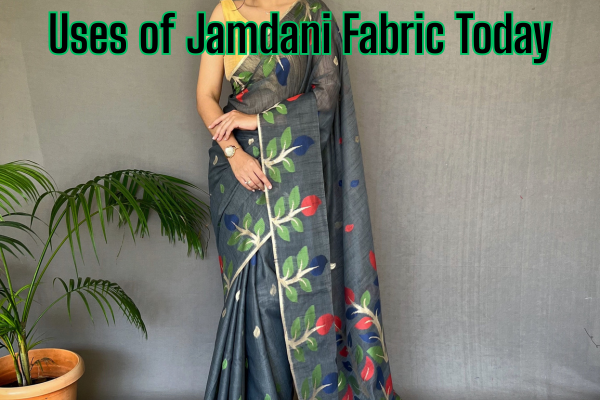
Fashion and Apparel
Forget fast fashion. Jamdani fabric is timeless.
- Women wear it as sarees, salwar kameez, and dupattas
- Designers use it in fusion fashion: crop tops, dresses, even jackets
- Men? Think ethnic kurtas and sherwanis
In 2023, India and Bangladesh saw a 40% rise in Jamdani-based designer collections, especially during wedding seasons.
Home Décor and Accessories
Jamdani’s subtle charm makes it a favorite for:
- Cushion covers
- Table runners
- Wall tapestries
Why Jamdani Fabric Is So Valuable
Economic and Cultural Significance
Each piece of Jamdani fabric supports generations of weavers. Over 150,000 artisans in Bangladesh alone rely on this craft.
It’s not just fabric. It’s food on their tables and dreams in their children’s eyes.
Recognition by UNESCO
In 2013, UNESCO gave Jamdani weaving the status of Intangible Cultural Heritage of Humanity. That’s not just a trophy. It’s a global acknowledgment of skill and legacy.
Challenges Facing the Jamdani Industry
Threat from Power Looms
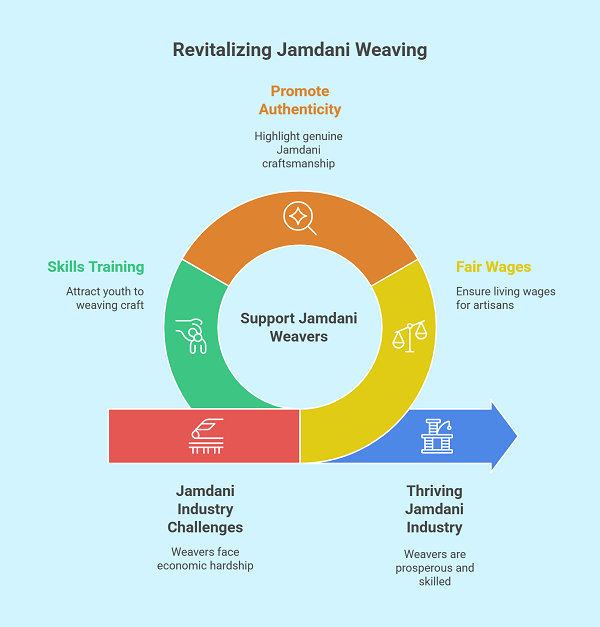
Modern power looms produce fake “Jamdani-like” designs in days. It’s faster, cheaper—but soulless. Real artisans can’t compete with those prices.
Low Wages and Skilled Labor Shortage
Despite its value, many weavers earn less than $100 a month. Naturally, fewer youths want to learn the craft. Sad truth? Some looms stay silent for months.
The Future of Jamdani Fabric
Reviving Traditions Through Innovation
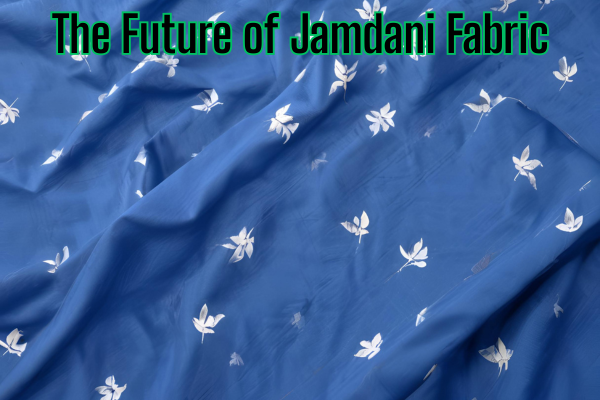
Designers and NGOs are stepping in. They’re blending modern aesthetics with ancient motifs—think Jamdani skirts, jumpsuits, and scarves. Social media? It’s helping too.
In 2024, a viral video of a 78-year-old weaver gained 3 million views, putting his entire village back in business.
Supporting Artisans for Sustainability
Governments now provide grants and GI (Geographical Indication) tags. The goal? Keep the looms running, protect the patterns, and let weavers earn fair wages.
Conclusion
Jamdani fabric isn’t just a textile—it’s the heartbeat of Bengal’s artistic spirit. In every weave, there’s patience, pride, and poetry. As consumers, supporting Jamdani fabric isn’t about fashion. It’s about saving centuries of soulcraft.
FAQs
1. What makes Jamdani fabric different from regular cotton?
Jamdani uses ultra-fine cotton and hand-inserted motifs, making it lighter, more intricate, and far more valuable than regular cotton.
2. How can I tell if a Jamdani fabric is authentic?
Real Jamdani feels soft, with slightly uneven motifs. Fake ones often have printed or machine-like uniform designs.
3. Is Jamdani suitable for daily wear?
Yes, especially the simpler Tangail types. They’re breathable and perfect for hot climates.
4. Why is Jamdani fabric so expensive?
Each piece takes weeks or months to make by hand, involving skilled labor and intricate craftsmanship.
5. Can Jamdani be machine-washed?
It’s best to hand wash in cold water. Avoid wringing. Use mild detergent to preserve the threads and motifs.
