
Spun Bond Nonwoven Fabric: What It Is and Why It Matters
Okay, let’s keep it real for a second—“spun bond nonwoven fabric” sounds like something you’d hear in a chemistry lab. But don’t let the name scare you. This stuff? It’s literally everywhere. From surgical masks to shopping bags, spun bond fabric is one of the most underrated heroes in the textile world.
Table of Contents
Let’s unpack this fabric the way you’d tear into a new Amazon delivery—fast, curious, and with a little excitement.
What Is Spun Bond Nonwoven Fabric?
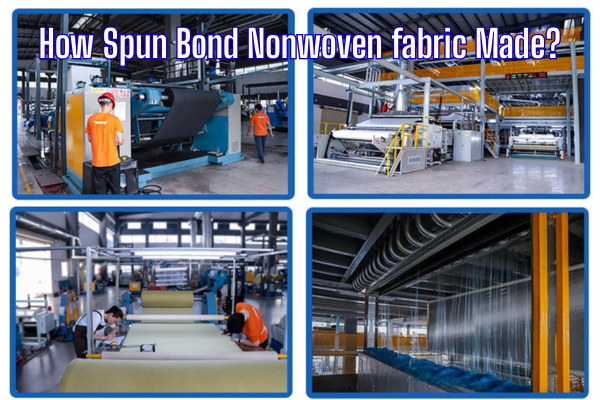
How It’s Made
Spun bond fabric is made using thermoplastic polymers—most commonly polypropylene (PP). Here’s what goes down:
- Polymer granules are melted.
- The molten polymer is extruded through spinnerets into fine filaments.
- These filaments are laid randomly on a conveyor belt.
- They’re thermally bonded without weaving or knitting.
The result? A sheet of fabric that’s flat, breathable, and surprisingly strong.
What Makes It “Nonwoven”?
Unlike woven fabrics that cross yarns over and under each other, nonwoven fabrics skip the loom entirely. Spun bond is all about bonding fibers directly into a web. So yeah, it’s “nonwoven”—technically and literally.
Key Characteristics at a Glance
| Property | Value Range |
| Weight (GSM) | 8 – 150 GSM |
| Tensile Strength | High (5–8 N/5cm) |
| Air Permeability | Moderate to High |
| Water Resistance | Customizable |
| UV Resistance | Optional (additive) |
Why Spun Bond Fabric Stands Out
Lightweight but Durable? Yes, Please
At just 10 GSM, you’d think it would tear like tissue paper. But spun bond fabric holds strong. Its tensile strength per weight ratio is phenomenal. That’s why it can handle industrial packaging and still feel feather-light.
Breathability and Barrier in One
It sounds like a contradiction, right? Breathable yet resistant? But that’s the magic. Depending on the filament thickness and layering, spun bond can filter particles while allowing airflow. This makes it a favorite in surgical masks and agricultural covers.
Cost Efficiency That’s Hard to Beat
You don’t need fancy weaving machines or post-processing. Everything happens in one continuous line, which cuts manufacturing costs by around 30–40% compared to woven alternatives.
Common Applications of Spun Bond Fabric
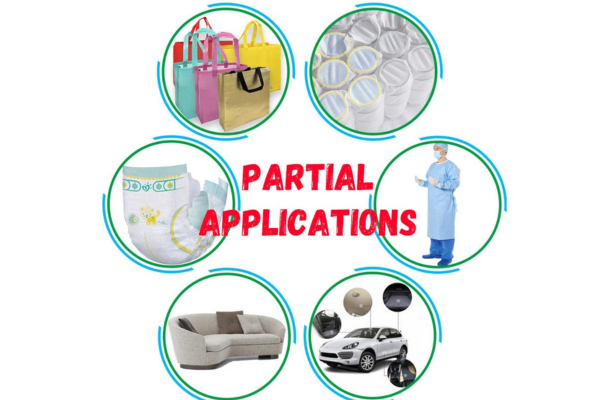
Medical Industry: Saving Lives, One Sheet at a Time
Spun bond is the backbone of medical disposables:
- Surgical gowns
- Face masks
- Shoe covers
- Sterile wraps
Fun fact: During the COVID-19 peak, over 65% of global mask production depended on spun bond layers.
Agriculture: Protecting Crops the Smart Way
In farming, it’s used for:
- Mulch sheets
- Frost protection covers
- Pest barrier layers
A 17 GSM spun bond cover can protect crops from pests without chemicals. That’s both eco-smart and wallet-friendly.
Packaging and Industrial Use
It replaces traditional plastics in:
- Shopping bags (think reusable grocery totes)
- Protective covers for furniture
- Cable insulation layers
Durability meets convenience. That’s a win-win.
Everyday Household Uses
You’ll also find it in:
- Mattress linings
- Wet wipes
- Air filters
Basically, if your house breathes, spun bond probably helps.
Environmental Impact: Is It Eco-Friendly?
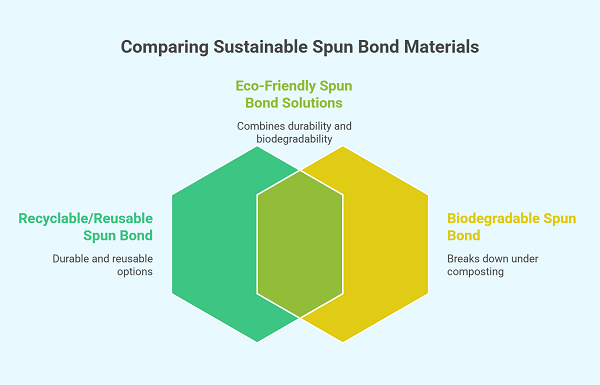
Recyclability and Reusability
Polypropylene spun bond is 100% recyclable. Many countries now mandate reusable spun bond bags to reduce single-use plastic.
Plus, it can be reused up to 50 times without significant degradation.
Biodegradable Options: A Step Ahead?
Manufacturers are now experimenting with PLA (polylactic acid)-based spun bond, which is biodegradable within 90–120 days under composting conditions.
Choosing the Right Spun Bond Fabric
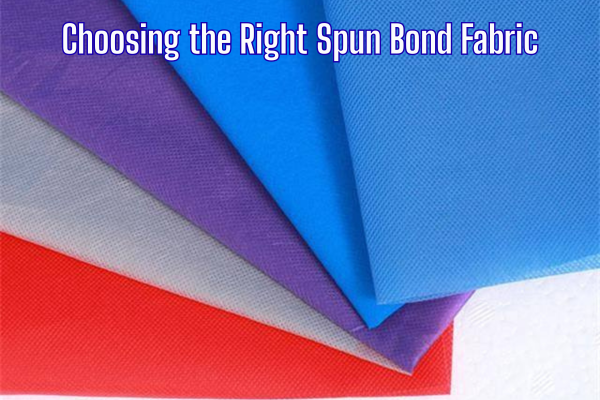
GSM Range and Thickness Explained
- Below 20 GSM: Ideal for hygiene and medical.
- 20–50 GSM: Suitable for agriculture and furniture.
- 50+ GSM: Best for industrial and packaging.
Higher GSM = Higher durability. Always check before ordering in bulk.
What Industries Should Prioritize
Industries where cost, hygiene, and disposability matter most:
- Healthcare
- Farming
- Personal care products
- E-commerce packaging
Final Thoughts: The Future of Spun Bond Fabric
Spun bond fabric isn’t just another synthetic—it’s a quiet revolution. With its versatility, cost efficiency, and growing eco-friendly variants, it’s paving the way for smarter, cleaner manufacturing.
In a world juggling convenience and conservation, spun bond nonwoven fabric is striking a rare balance. So next time you grab a reusable tote or wear a face mask, remember: this “nonwoven” marvel made it all possible.
FAQs
1. What is the difference between spun bond and meltblown fabric?
Spun bond has larger, stronger filaments, offering durability. Meltblown uses finer fibers for filtration. Many masks combine both.
2. Is spun bond fabric washable?
Yes, especially heavier GSM variants. However, lightweight spun bond is often single-use due to hygiene concerns.
3. Can spun bond fabric be printed or dyed?
Absolutely. It accepts screen printing and heat transfer designs, widely used in promotional tote bags.
4. What’s the shelf life of spun bond fabric?
Stored properly, it lasts up to 10 years without degradation, especially if UV-stabilized.
5. Is spun bond fabric waterproof?
On its own, no. But it can be laminated or treated to be water-resistant, commonly used in hygiene and surgical products.
