
What is Spunlace Nonwoven Fabric?
Let’s start with a truth bomb: Spunlace nonwoven fabric is everywhere—your baby wipes, beauty masks, hospital gowns, even in your kitchen roll. But what makes it special?
Table of Contents
Quick Definition and Real-World Uses
Spunlace nonwoven fabric is a soft, strong, and absorbent material made by entangling fibers using high-pressure water jets. No chemicals. No glue. Just water and physics.
This fabric pops up in:
- Medical gauze and surgical drapes
- Cosmetic wipes and facial masks
- Household cleaning cloths
- Disposable garments
Still think it’s some boring industrial thing? Think again—it’s wiping the world clean, literally.
How is Spunlace Fabric Made?
The Hydroentanglement Process
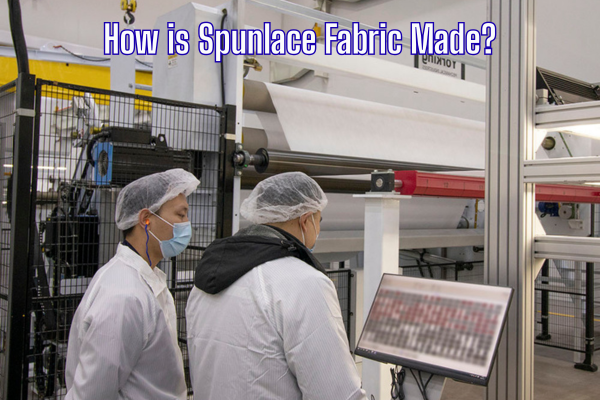
Here’s where things get nerdy. Spunlace is born through hydroentanglement, where water jets push fibers into a tangled web. Imagine power-washing a cotton candy cloud into a durable mat. That’s roughly what happens.
The process includes:
- Carding the fibers
- Laying them in a web
- Shooting them with 1200 to 2500 psi water jets
- Drying and rolling them into fabric
No weaving, no knitting. It’s like modern fabric alchemy.
Materials Used in Production
Manufacturers use both natural and synthetic fibers:
- Viscose
- Polyester
- Cotton
- Lyocell
- Bamboo fibers
Some blends are 70/30 polyester-viscose. Others are 100% cotton for eco-friendliness. Choice depends on purpose—baby wipes or surgical gowns? Each needs a unique touch.
Key Features of Spunlace Nonwoven Fabric
Texture, Durability, and Absorbency
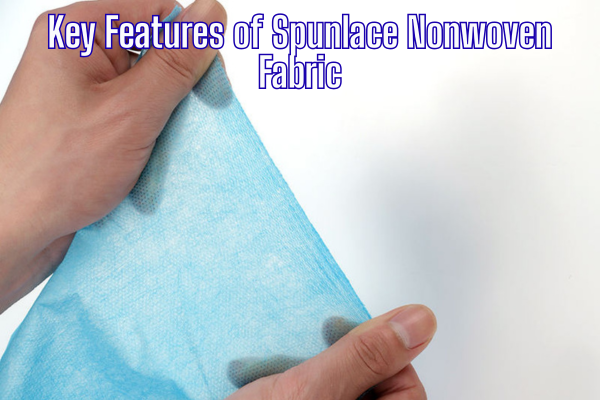
Spunlace fabric is the goldilocks of nonwovens:
- Soft like cotton
- Strong enough for scrubbing
- Absorbs 5–8x its weight in liquid
You can squeeze it, tear it, fold it—and it holds up. That’s why over 60% of wet wipes globally are made from spunlace.
Environmental Impact & Biodegradability
Here’s the kicker: It can be biodegradable—if made from natural fibers. But that’s not always the case. A polyester-based spunlace wipe takes decades to decompose.
Want sustainable spunlace? Look for labels like:
- 100% cotton spunlace
- Viscose-Lyocell blends
- Compostable certifications
Spunlace Fabric vs. Other Nonwovens
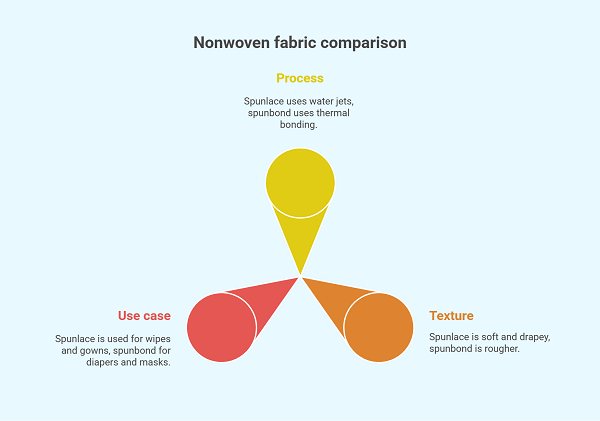
Let’s bust some myths. Not all nonwovens are created equal.
Spunlace vs. Spunbond: Not All Nonwovens Are Equal
| Feature | Spunlace | Spunbond |
| Process | Water jet | Thermal bonding |
| Texture | Soft and drapey | Rougher |
| Use case | Wipes, gowns | Diaper layers, masks |
Spunbond is stiff. Spunlace? Soft enough for a newborn’s skin.
Spunlace vs. Meltblown: Which One Wins Where?
Meltblown is great for filtering, not wiping. It’s used in N95 masks because its fibers are 1–5 microns wide, trapping particles efficiently.
Spunlace? It’s more about softness and strength. No filtration crown here.
Where is Spunlace Nonwoven Fabric Used?
Healthcare Applications
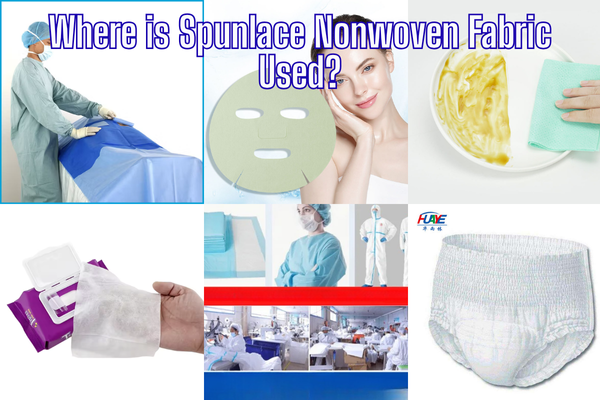
Hospitals trust spunlace because it’s:
- Lint-free
- Sterilizable
- Breathable
Surgical drapes, wound dressings, and disposable bedding use spunlace extensively.
Wipes and Hygiene Products
If you’ve used a face wipe today, there’s a 90% chance it was spunlace. That includes:
- Baby wipes
- Facial masks
- Disinfectant wipes
The fabric resists tearing and dissolves gently into moisture. A perfect combo.
Fashion and Home Use
Spunlace fabrics now appear in:
- Interlinings
- Disposable undergarments
- Home décor prototypes
It’s not haute couture, but it’s quietly making life cleaner.
Market Trends and Global Demand
The Numbers Behind the Growth
The global spunlace nonwoven market was valued at $9.2 billion in 2023, and it’s expected to hit $13.7 billion by 2028, growing at a CAGR of 8.3%.
Asia-Pacific leads the pack, contributing over 45% of the global supply—thanks to China and India’s booming manufacturing sectors.
Future Trends in Spunlace Fabrics
Three buzzwords are shaping the future:
- Sustainability
- Flushability
- Customization
Companies are investing in bio-based fibers and flushable wipes. Expect to see smart spunlace fabrics soon—coated with active skincare ingredients or antiseptics.
Conclusion
So, spunlace nonwoven fabric isn’t just some industrial afterthought. It’s a marvel of modern engineering. Lightweight, tough, versatile—it sneaks into your life in the form of wipes, gowns, and masks.
Whether you’re cleaning your kitchen or facing surgery, spunlace is quietly working behind the scenes. Durable yet gentle, industrial yet personal—that’s the paradox of spunlace.
FAQs
1. Is spunlace fabric biodegradable?
Only if it’s made from natural fibers like cotton or bamboo. Polyester blends aren’t biodegradable.
2. What’s the main difference between spunlace and spunbond?
Spunlace uses water jets; spunbond uses heat. Spunlace is softer and better for skin contact.
3. Can spunlace fabric be reused?
Technically, yes—especially in cleaning cloths. But in medical or hygiene use, it’s typically disposable.
4. Why is spunlace preferred in wet wipes?
Because it absorbs well, stays strong when wet, and feels soft on the skin.
5. What industries use spunlace the most?
Healthcare, cosmetics, cleaning products, and textiles lead the list.
