
What is PUL Fabric?
Let’s start with a simple truth: PUL fabric is a quiet hero in our daily lives. You’ve probably touched it more than you know. From diaper covers to mattress protectors, this fabric keeps moisture where it belongs.
Table of Contents
PUL fabric, short for polyurethane laminate fabric, is a soft, stretchy, breathable material laminated with a thin polyurethane layer. That’s the magic—this combo creates a fabric that’s waterproof yet flexible.
Now, imagine a fabric that blocks leaks, feels soft against your skin, and survives dozens of wash cycles. That’s PUL fabric for you. And no, it’s not some futuristic textile—it’s here and already in your home.
How PUL Fabric is Made
The science behind PUL fabric is a mix of textile genius and chemical precision. Sounds complicated, but stick with me.
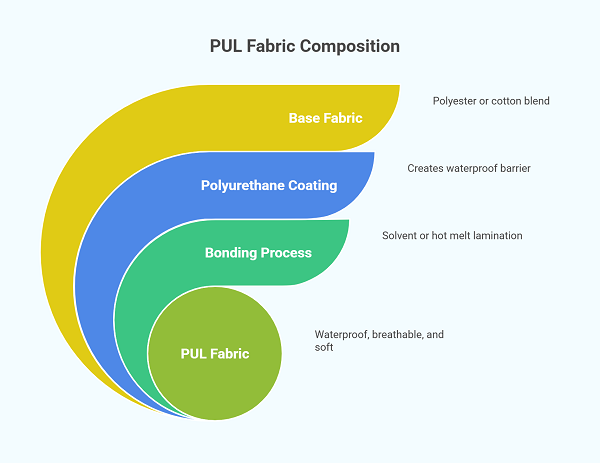
The Base Fabric
The base is typically a 100% polyester knit or a polyester-cotton blend. Polyester wins for durability. Cotton? A little more absorbent but less strong.
The Polyurethane Coating
Here’s the star: Polyurethane (PU). A super-thin layer—usually under 0.001 inches—is laminated onto the fabric. This turns plain cloth into a leak-proof barrier.
Bonding Process
There are two main ways to make PUL fabric:
- Solvent lamination – stronger but more chemical-heavy.
- Hot melt lamination – greener and preferred for baby-safe products.
Either way, the result is the same: waterproof, breathable, and stretchable fabric that feels surprisingly soft.
Key Properties of PUL Fabric
Let’s break down what makes PUL fabric stand out.
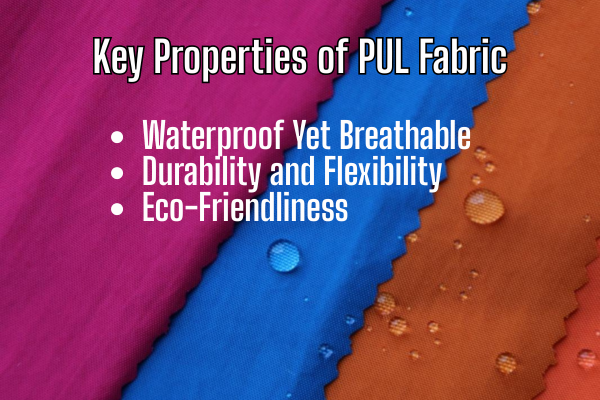
Waterproof Yet Breathable
Think of a raincoat that doesn’t feel like a sauna. PUL fabric allows air to pass through but keeps liquid out. That’s the kind of balance every parent (and sweaty human) appreciates.
Durability and Flexibility
PUL fabric is resilient. On average, it withstands over 100 wash-and-dry cycles. That’s almost two years if you wash it weekly. Stretch it, twist it—it springs back.
Eco-Friendliness
While not fully biodegradable, many PUL fabrics are reusable, reducing landfill waste. Replacing disposable pads or diapers with PUL-based alternatives can save up to 6,000 single-use items per child.
Uses of PUL Fabric in Daily Life
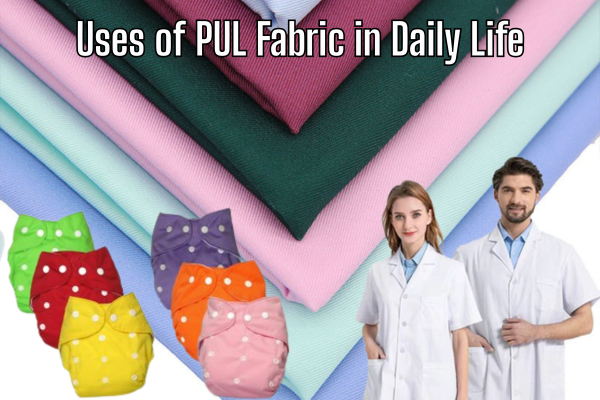
So where does this wonder fabric show up?
Baby Products
This is PUL fabric’s playground:
- Cloth diapers
- Wet bags
- Changing pad covers
It’s soft, washable, and doesn’t mind a little… mess.
Medical and Healthcare Items
Hospitals love PUL for:
- Mattress covers
- Incontinence pads
- Surgical gowns
It meets hygiene standards without sacrificing comfort.
Fashion and Accessories
Yes, even your makeup bag might be made of PUL fabric. It’s also in:
- Waterproof tote linings
- Swimwear bag interiors
Household and Utility Uses
Look around—PUL is everywhere:
- Reusable snack bags
- Pet bed covers
- Food-safe wraps
Versatile and practical. No wonder it’s a DIY favorite.
Pros and Cons of PUL Fabric
Let’s weigh the good and not-so-good.
Advantages That Stand Out
- Waterproof but not plastic-y
- Reusable and washable
- Lightweight (usually 1.5 to 2.5 oz/sq yd)
- Flexible and stretchy
- Cost-effective (averaging $5–$12 per yard)
Limitations You Should Know
- Sensitive to high heat—can delaminate
- Not biodegradable
- Might trap odors if not washed properly
- Some variants make a slight crinkly sound
How to Care for PUL Fabric
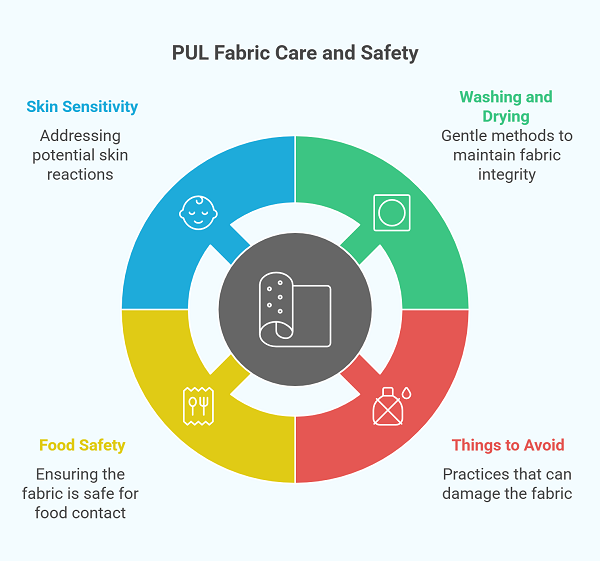
This fabric may be tough, but treat it right.
Washing and Drying Tips
- Use cold or warm water—nothing above 60°C (140°F)
- Gentle detergent
- Air dry or tumble dry low
Things to Avoid
- Bleach (kills the waterproofing)
- Fabric softener (leaves residue)
- High heat drying or ironing (say goodbye to lamination)
Is PUL Fabric Safe?
Let’s talk safety.
Food Safety Considerations
Many brands label their PUL as FDA food-safe, making them ideal for sandwich bags and snack pouches. Always verify with the manufacturer.
Skin Sensitivity and Allergies
Hypoallergenic and smooth, PUL fabric works well for babies and sensitive skin. If a reaction happens, it’s usually due to detergents, not the fabric itself.
Conclusion
PUL fabric might not make headlines, but it’s a silent powerhouse in modern textiles. Waterproof, durable, and surprisingly versatile, it tackles everything from diaper changes to food storage. It’s not glamorous—but hey, neither are most of life’s necessities. And yet, they matter.
If you’re into sewing, parenting, or just saving the planet one reusable pad at a time, PUL fabric deserves a spot in your life—and your laundry basket.
FAQs About PUL Fabric
1. Is PUL fabric truly waterproof?
Yes, it resists leaks completely thanks to its polyurethane laminate. Just don’t iron it or you might lose that layer.
2. Can I use PUL fabric for food wraps?
Yes, if it’s certified food-safe. Always check the product label before using it near food.
3. Is PUL fabric breathable?
Surprisingly, yes! The laminate allows air to pass through while blocking liquid.
4. How long does PUL fabric last?
With proper care, PUL can last over 100 washes, sometimes even up to 300, depending on the quality.
5. Does PUL fabric have eco-friendly benefits?
While not biodegradable, it’s reusable and helps replace thousands of disposable items, reducing plastic waste.
